Introduction
Across every continent, families gather for special annual holidays filled with glowing lights, music, traditional foods, and gratitude for loved ones! Exploring three vibrant celebrations—Diwali, Lunar New Year, and Día de los Muertos—shows how cultures around the world celebrate light, renewal, and family memory.
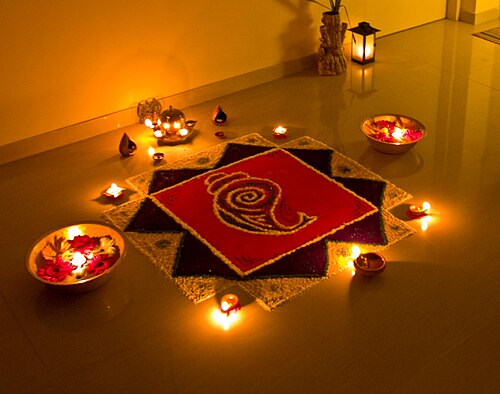
An important word to know in this book is (DEE-yuh). Diya means: A small traditional clay lamp filled with oil or ghee and a cotton wick, lit in rows during the Diwali Festival of Lights. Learning about Diya helps us understand how Holidays Around the World: Diwali, Lunar New Year & Día de los Muertos fits into Global Cultures & Traditions.

Key Features
1) Diwali (the "Festival of Lights," celebrated in autumn across India and the global diaspora by Hindus, Sikhs, and Jains) celebrates the victory of light over darkness, knowledge over ignorance, and good over evil. Families light rows of clay oil lamps called diyas, create colorful rangoli floor art out of colored powders and flower petals, and share sweets (mithai).
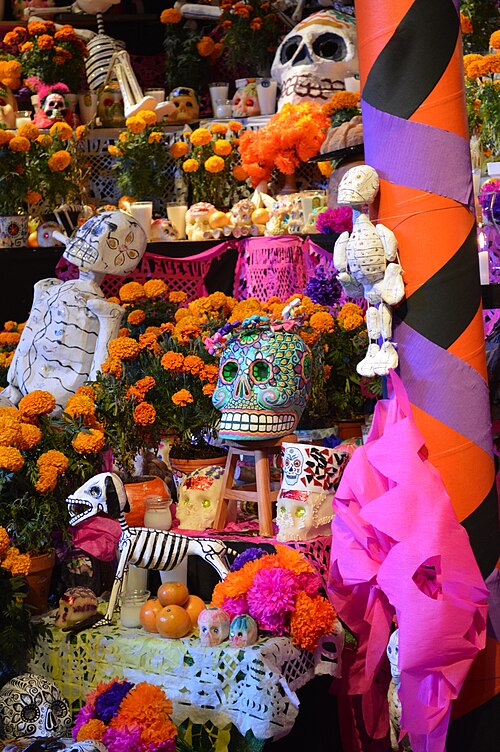
Scientists and explorers also look closely at (oh-FREN-duh), which means: A colorful home altar decorated with photos, marigolds, candles, and favorite foods to welcome the memory of ancestors during Día de los Muertos. These special traits make Holidays Around the World: Diwali, Lunar New Year & Día de los Muertos easy to spot and study.
How It Works
2) Lunar New Year (celebrated as Chūnjié / Spring Festival in China, Tết in Vietnam, and Seollal in Korea) begins on the second new moon after the winter solstice! Families sweep their homes clean to sweep away bad luck, hang red lanterns, watch energetic Lion and Dragon Dances, eat long longevity noodles and dumplings (shaped like ancient silver ingots), and give children lucky red envelopes (hóngbāo).
Here is another helpful term: (loo-nee-SOH-ler KAL-uhn-der). It means: A calendar based on the monthly cycles of the Moon’s phases as well as the solar year, used to set the date of Lunar New Year and Diwali. Step by step, and Lunisolar Calendar work together in nature.
In Our World
3) Día de los Muertos ("Day of the Dead," celebrated November 1–2 in Mexico and across Latin America) is not a spooky holiday like Halloween—it is a joyful, loving family reunion honoring ancestors who have passed away! Families build colorful home altars (ofrendas) decorated with bright orange Mexican marigolds (cempasúchil), intricate cut-paper banners (papel picado), sugar skulls (calaveras), pan de muerto bread, and photos of beloved grandparents.
Understanding how Holidays Around the World: Diwali, Lunar New Year & Día de los Muertos works in our world also involves (oh-FREN-duh): A colorful home altar decorated with photos, marigolds, candles, and favorite foods to welcome the memory of ancestors during Día de los Muertos. Even when surrounding conditions shift across seasons or regions, the interaction between , Ofrenda, and helps sustain balance and resilience in the wider environment.
Amazing Facts
Amazing Fact #1: The word "Diwali" comes from the Sanskrit word Deepavali, which literally means "a row of lighted clay lamps (diyas)"!
Amazing Fact #2: The Lunar Zodiac cycles through 12 animals in order: Rat, Ox, Tiger, Rabbit, Dragon, Snake, Horse, Goat, Monkey, Rooster, Dog, and Pig!
Amazing Fact #3: In 2008, UNESCO added Mexico’s Día de los Muertos tradition to its list of the Intangible Cultural Heritage of Humanity!
Read & Review
Let's review what we discovered about Holidays Around the World: Diwali, Lunar New Year & Día de los Muertos! In this book, we explored how , , and connect to Global Cultures & Traditions.
Key Question #1: What core theme does Diwali (the "Festival of Lights") celebrate with glowing clay diyas and colorful rangoli art? Answer: The victory of light over darkness, good over evil, and knowledge over ignorance. Diwali celebrates light triumphing over darkness across Hindu, Sikh, and Jain traditions.
Key Question #2: What is the true purpose of an (altar) decorated with orange marigolds and photos during Mexico’s Día de los Muertos? Answer: To joyfully honor, remember, and celebrate the lives of beloved family members and ancestors who have passed away. Día de los Muertos is a warm, celebratory tradition of family remembrance.