Introduction
Few transformations in nature are as dramatic as frog metamorphosis! In just a few weeks or months, a legless, gill-breathing underwater swimmer transforms completely into a four-legged, lung-breathing insect hunter that leaps onto land.
A foundational concept in this investigation is (pronounced FRAWG-spawn), which refers to: A cluster of soft, jelly-coated frog eggs floating in calm freshwater. Every part of Frog Metamorphosis within Life Cycles builds upon this essential concept.
In Grade 3 Animals studies (Life Cycles), understanding how , , and work together helps explain real-world patterns. As you read each chapter, notice how these key terms connect structure, process, and environment.
Key Features
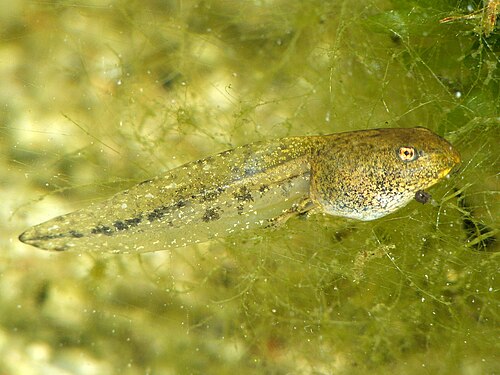
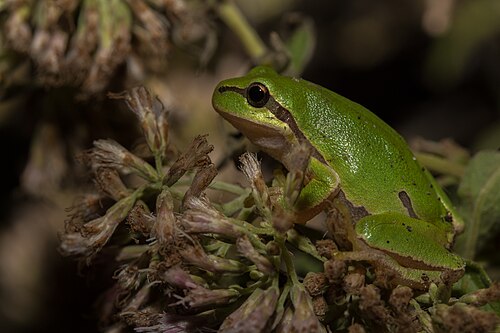
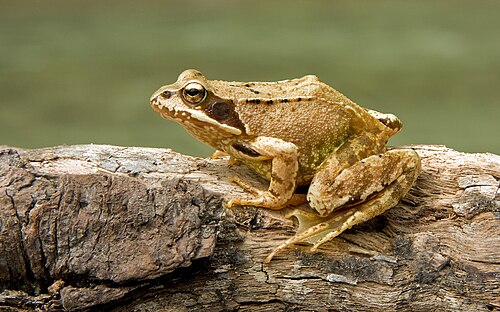
A frog’s life cycle has four distinct stages: 1) Jelly-coated eggs () laid in calm water, 2) Newly hatched with feathery gills and a long finned tail, 3) with four legs and a shrinking tail, and 4) Adult frog.
To analyze these defining traits accurately, specialists examine (TAD-pohl): The aquatic larval stage of a frog or toad that breathes with gills and swims with a long tail. Alongside (A cluster of soft, jelly-coated frog eggs floating in calm freshwater.), these specialized characteristics set Frog Metamorphosis apart within Life Cycles.
Field Observation & Evidence: Researchers studying Frog Metamorphosis observe how physical form matches function in Animals. Each observable feature provides a clear advantage that supports stability, survival, or performance across changing conditions.
How It Works
Rising thyroid hormone (thyroxine) triggers metamorphosis inside the . Back legs bud first, followed by front legs. Inside the body, gills are replaced by air-breathing lungs, the long plant-digesting intestine shortens for a carnivore diet, and the tail is resorbed for energy.
This step-by-step process relies on (pronounced FRAWG-lit), defined as: A young frog that has grown all four legs and lungs while still resorbing the last stub of its tail. Each stage of the process prepares the way for the next phase to unfold.
Cause-and-Effect Balance: When conditions remain balanced, and interact inside the to keep the system running smoothly. If any single link in this sequence is disrupted, the entire pace of activity shifts.
In Our World
Most frogs lay thousands of eggs in vernal pools, ponds, or slow streams in spring, though tropical poison dart frog parents carry their newly hatched tadpoles piggyback up into rainforest tree bromeliads!
Understanding how Frog Metamorphosis functions in real environments also involves (TAD-pohl): The aquatic larval stage of a frog or toad that breathes with gills and swims with a long tail. Even when surrounding conditions shift across seasons or regions, the interaction between , Tadpole, and helps sustain balance and resilience in the wider environment.
Global & Practical Significance: During frog metamorphosis, the hind legs sprout visibly before the front legs emerge. Furthermore, Programmed cell death (apoptosis) breaks down the tail so its nutrients fuel growth.
Amazing Facts
1. Remarkable Scale & Numbers: A does not drop its tail off—its body recycles the tail cells as protein and energy while its new legs grow! This discovery highlights why is central to understanding Frog Metamorphosis.
2. Extraordinary Adaptation & Design: Bullfrog tadpoles in cold northern ponds can stay in the stage for up to two full years before turning into frogs. Specialized conditions involving Tadpole make these adaptations possible.
3. Surprising Scientific & Historical Record: The paradoxical frog of South America has a giant 25-centimeter that actually shrinks into a tiny 6-centimeter adult frog! Over time, processes linked to leave a lasting mark across Life Cycles.
Read & Review
Chapter Synthesis: Throughout this investigation of Frog Metamorphosis in Animals (Life Cycles), we examined its core foundations, defining traits, step-by-step mechanisms, and real-world connections using key terms like , , and .
Academic Vocabulary Review: • (FRAWG-spawn): A cluster of soft, jelly-coated frog eggs floating in calm freshwater. • (TAD-pohl): The aquatic larval stage of a frog or toad that breathes with gills and swims with a long tail. • (FRAWG-lit): A young frog that has grown all four legs and lungs while still resorbing the last stub of its tail.
Critical Thinking Check: (1) Which pair of legs grows first on a developing ? — The hind (back) legs. (2) What happens to a tadpole’s tail as it becomes an adult frog? — Its body resorbs and recycles the tail tissue for energy.