Introduction
Few transformations in nature are as dramatic as frog metamorphosis! In just a few weeks or months, a legless, gill-breathing underwater swimmer transforms completely into a four-legged, lung-breathing insect hunter that leaps onto land.
An important word to know in this book is (FRAWG-spawn). Frogspawn means: A cluster of soft, jelly-coated frog eggs floating in calm freshwater. Learning about Frogspawn helps us understand how Frog Metamorphosis fits into Life Cycles.
Key Features
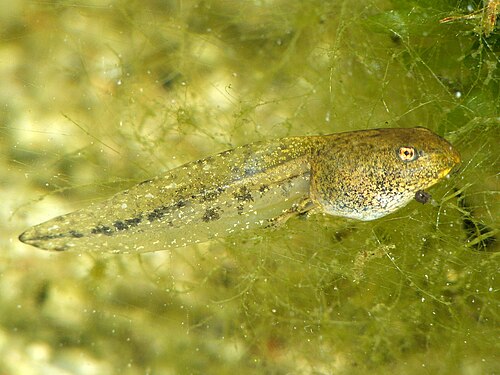
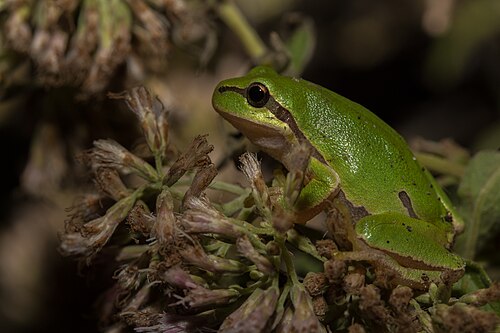
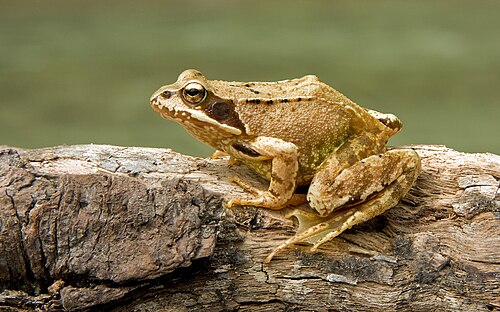
A frog’s life cycle has four distinct stages: 1) Jelly-coated eggs () laid in calm water, 2) Newly hatched with feathery gills and a long finned tail, 3) with four legs and a shrinking tail, and 4) Adult frog.
Scientists and explorers also look closely at (TAD-pohl), which means: The aquatic larval stage of a frog or toad that breathes with gills and swims with a long tail. These special traits make Frog Metamorphosis easy to spot and study.
How It Works
Rising thyroid hormone (thyroxine) triggers metamorphosis inside the . Back legs bud first, followed by front legs. Inside the body, gills are replaced by air-breathing lungs, the long plant-digesting intestine shortens for a carnivore diet, and the tail is resorbed for energy.
Here is another helpful term: (FRAWG-lit). It means: A young frog that has grown all four legs and lungs while still resorbing the last stub of its tail. Step by step, and Froglet work together in nature.
In Our World
Most frogs lay thousands of eggs in vernal pools, ponds, or slow streams in spring, though tropical poison dart frog parents carry their newly hatched tadpoles piggyback up into rainforest tree bromeliads!
Understanding how Frog Metamorphosis works in our world also involves (TAD-pohl): The aquatic larval stage of a frog or toad that breathes with gills and swims with a long tail. Even when surrounding conditions shift across seasons or regions, the interaction between , Tadpole, and helps sustain balance and resilience in the wider environment.
Amazing Facts
Amazing Fact #1: A does not drop its tail off—its body recycles the tail cells as protein and energy while its new legs grow!
Amazing Fact #2: Bullfrog tadpoles in cold northern ponds can stay in the stage for up to two full years before turning into frogs.
Amazing Fact #3: The paradoxical frog of South America has a giant 25-centimeter that actually shrinks into a tiny 6-centimeter adult frog!
Read & Review
Let's review what we discovered about Frog Metamorphosis! In this book, we explored how , , and connect to Life Cycles.
Key Question #1: Which pair of legs grows first on a developing ? Answer: The hind (back) legs. During frog metamorphosis, the hind legs sprout visibly before the front legs emerge.
Key Question #2: What happens to a ’s tail as it becomes an adult frog? Answer: Its body resorbs and recycles the tail tissue for energy. Programmed cell death (apoptosis) breaks down the tail so its nutrients fuel growth.