Introduction
In colonial America, there were no factories or department stores! Every horseshoe, iron nail, wooden barrel, candle, and pair of shoes had to be crafted by hand by skilled artisans called tradespeople—and teenagers learned these professions not in college, but as apprentices.
An important word to know in this book is (KOO-per). Cooper means: A skilled craftsperson who makes wooden barrels, casks, buckets, and tobacco hogsheads out of wooden staves and hoops. Learning about Cooper helps us understand how Colonial Trades: Blacksmiths & Coopers fits into Colonial Times & Jamestown.
Key Features
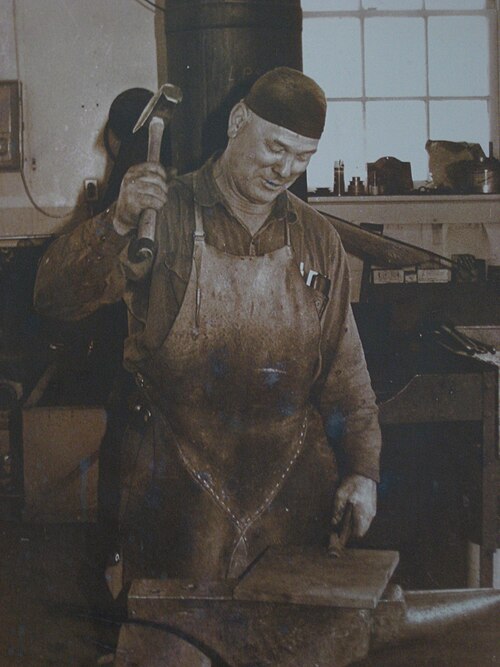
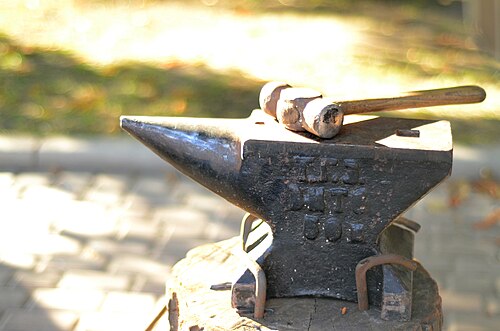
Two of the most indispensable colonial trades were the blacksmith and the . The blacksmith worked at a glowing coal using leather bellows, heavy tongs, a hammer, and a steel anvil to shape red-hot wrought iron into plowshares, axes, cooking pots, hinges, and nails.
Scientists and explorers also look closely at (uh-PREN-tis), which means: A young person bound by contract to work for a master artisan for several years to learn a skilled trade. These special traits make Colonial Trades: Blacksmiths & Coopers easy to spot and study.
How It Works
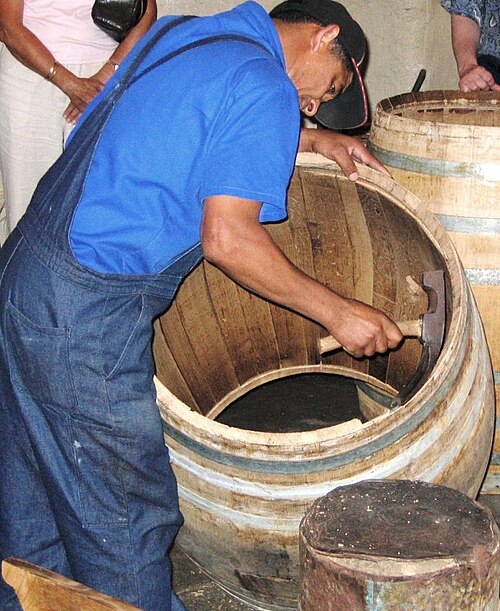
Meanwhile, the was the container maker of the colonial world! Before cardboard boxes or plastic jugs existed, everything—flour, salted pork, tobacco hogsheads, gunpowder, and water—was shipped inside watertight wooden barrels. Without using a single nail or drop of glue, a cooper shaped curved oak staves and squeezed them tightly together with iron or hickory hoops!
Here is another helpful term: (forj). It means: A blacksmith’s hearth where coal or charcoal is fanned with bellows to heat iron until it glows red-hot and malleable. Step by step, and Forge work together in nature.
In Our World
Other vital colonial trades included the silversmith, wheelwright, printer, apothecary (pharmacist/doctor), and milliner (hat and clothing maker). Around age 12 to 14, a young person signed an apprenticeship contract to work for a Master Craftsman for 4 to 7 years in exchange for room, board, and trade secrets before becoming a wage-earning Journeyman.
Understanding how Colonial Trades: Blacksmiths & Coopers works in our world also involves (uh-PREN-tis): A young person bound by contract to work for a master artisan for several years to learn a skilled trade. Even when surrounding conditions shift across seasons or regions, the interaction between , Apprentice, and helps sustain balance and resilience in the wider environment.
Amazing Facts
Amazing Fact #1: A skilled colonial could build a wooden barrel out of curved oak staves and hoops so tightly fitted that it held liquid without a single nail or drop of glue!
Amazing Fact #2: In colonial Virginia, giant barrels called "hogsheads" packed with tobacco weighed up to 450 kilograms (1,000 pounds) and were rolled down "rolling roads" to river docks!
Amazing Fact #3: Every single iron nail in a colonial house had to be hammered out four-sided by hand at a blacksmith’s !
Read & Review
Let's review what we discovered about Colonial Trades: Blacksmiths & Coopers! In this book, we explored how , , and connect to Colonial Times & Jamestown.
Key Question #1: What did a colonial make, and why was that trade so important? Answer: Wooden barrels, casks, and buckets—which were the primary shipping and storage containers for food, water, and tobacco. Coopers manufactured the wooden barrels and hogsheads that held nearly all dry and liquid cargo in colonial trade.
Key Question #2: How did a young person in colonial times typically learn a skilled trade like blacksmithing or printing? Answer: By serving for 4 to 7 years as an under a Master Craftsman. The guild-style system progressed from Apprentice to Journeyman to Master Craftsman.