Introduction
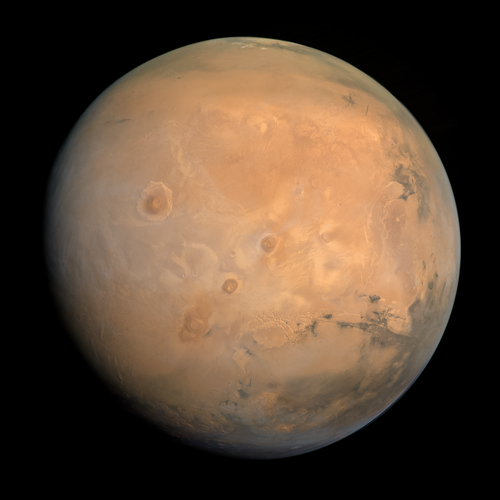
Fourth from the Sun, Mars is a cold, rocky world known as the "Red Planet." Although Mars is only about half the diameter of Earth, it boasts the tallest volcano and the deepest canyon in our entire Solar System—and robotic rovers are exploring its ancient riverbeds right now!
An important word to know in this book is (EYE-ern OK-syde). Iron Oxide means: A reddish-orange mineral compound (rust) formed when iron combines with oxygen, giving Mars its red color. Learning about Iron Oxide helps us understand how A Tour of Mars fits into Space & Astronomy.
Key Features
Why is Mars red? Its soil is rich in —the exact same chemical as rust! Mars has a thin atmosphere made of 95% carbon dioxide, two tiny potato-shaped moons named Phobos and Deimos, and polar ice caps made of frozen water and dry ice.
Scientists and explorers also look closely at (sol), which means: One solar day on Mars, lasting 24 hours, 39 minutes, and 35 seconds. These special traits make A Tour of Mars easy to spot and study.
How It Works
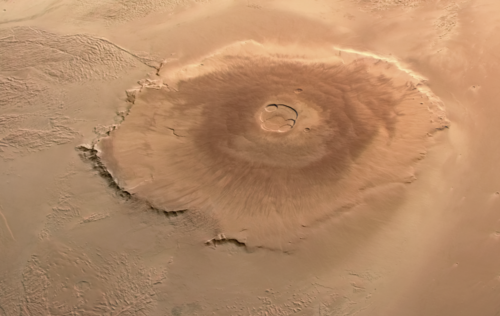
Because Mars is farther from the Sun than Earth, a Martian year lasts 687 Earth days, though a Martian day (called a "") is 24 hours and 39 minutes—almost identical to ours! Olympus Mons is a giant shield volcano on Mars standing 21.9 kilometers (72,000 feet) high—three times taller than Mount Everest—while Valles Marineris is a canyon system long enough to stretch from New York to Los Angeles.
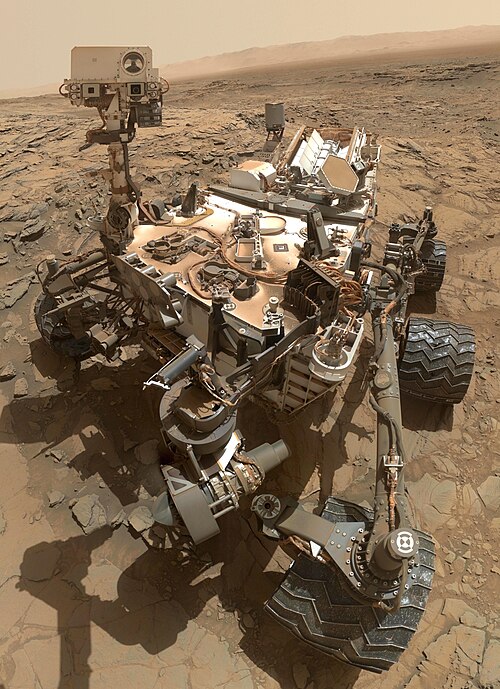
Here is another helpful term: (ROH-ver). It means: A wheeled robotic spacecraft engineered to drive across the surface of another planet or moon and analyze rocks. Step by step, and Rover work together in nature.
In Our World
NASA rovers like Curiosity and Perseverance (along with the Ingenuity helicopter) have discovered rounded pebbles, clay minerals, and dried-up river deltas in Jezero Crater, proving that liquid water lakes and rivers flowed across Mars billions of years ago!
Understanding how A Tour of Mars works in our world also involves (sol): One solar day on Mars, lasting 24 hours, 39 minutes, and 35 seconds. Even when surrounding conditions shift across seasons or regions, the interaction between , Sol, and helps sustain balance and resilience in the wider environment.
Amazing Facts
Amazing Fact #1: Mars is the only planet in the Universe known to be inhabited entirely by robots (including NASA’s Curiosity and Perseverance rovers)!
Amazing Fact #2: Sunsets on Mars actually look bluish-gray because fine red Martian dust scatters blue light around the Sun’s disk.
Amazing Fact #3: In 2021, NASA’s 1.8-kilogram Ingenuity Mars Helicopter made the first powered, controlled flight on another planet!
Read & Review
Let's review what we discovered about A Tour of Mars! In this book, we explored how , , and connect to Space & Astronomy.
Key Question #1: What gives the surface of Mars its rusty reddish-orange color? Answer: (rust) dust covering its rocks and soil. Iron minerals in Martian rocks oxidized over billions of years into reddish iron oxide dust.
Key Question #2: What is Olympus Mons on Mars? Answer: The tallest volcano in the Solar System—three times higher than Mount Everest. Olympus Mons is a giant shield volcano towering nearly 22 kilometers (13.6 miles) high.