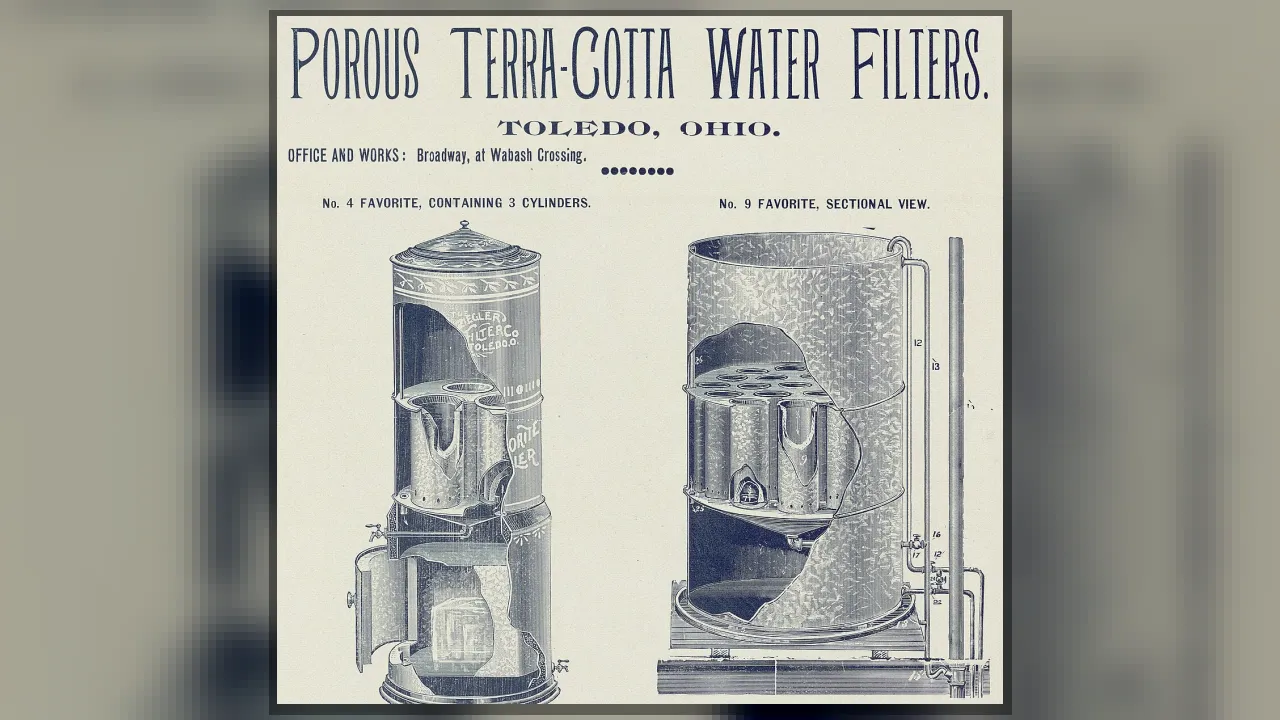
Ancient Egyptians used sand and clay jars to filter their water over 4,000 years ago!
✨ Word Sparks (Grade 2 Glossary)
Tap 🔊 to hear
charcoal
Black pieces that trap bad stuff
layer
A part stacked on another part
gravel
Small rocks used in filters
🪝
Have you ever seen cloudy water turn clear with a filter?
1
Why Water Needs Cleaning
Water from rivers or lakes can have dirt and germs. People need to clean it before drinking, so they do not get sick. Clean water helps people and animals stay healthy. That is why water filters are so important.
2
How Filters Work
A filter has like sand, , and . Dirty water goes in at the top, and these layers trap dirt and tiny germs. The clean water comes out at the bottom, ready to drink. Some homes and schools use special filter pitchers.
3
Helping the World
Many places use big water filters for whole towns. Filters help people in cities and villages get safe water. Clean water helps everyone grow and learn. It is a simple invention that saves lives.
Some modern filters can clean enough water for 100,000 people every single day!
✨ Word Sparks (Grade 3 Glossary)
Tap 🔊 to hear
filtration
The process of cleaning water
bacteria
Tiny living things that can make us sick
membrane
A thin layer that blocks germs
🪝
Can you imagine a world where every drop of water is sparkling clean?
1
The Journey of Water
Water travels through rivers, picking up dirt, sand, and even germs along the way. Before we drink it, this water must be cleaned to keep us healthy. Water systems help remove harmful things from our water. These inventions make sure our water is safe to drink.
2
How Filtration Works
A water system uses layers of materials like gravel, sand, and charcoal. As water passes through, each layer traps different types of dirt and germs. This is called filtration, and it relies on gravity to pull water down through the layers. The clean water collects at the bottom, ready for use.
3
Ancient and Modern Filters
People have filtered water for thousands of years, starting with the ancient Greeks and Egyptians. Early filters used sand and clay pots to catch dirt. Today, engineers design advanced filters that use special and chemicals to remove even tiny germs. is always improving with new science.
4
Why Clean Water Matters
Clean water is essential for drinking, cooking, and washing. Without , people could get sick from and viruses. Water filters help communities stay healthy and strong. They are one of the most important inventions in human history.
Some high-tech filters can remove viruses smaller than one-millionth of a meter wide!
✨ Word Sparks (Grade 4 Glossary)
Tap 🔊 to hear
activated charcoal
Special black material that absorbs chemicals
nanotechnology
Science of super tiny things
pollutant
Something harmful in water or air
🪝
What mysteries would you solve if you could watch water become pure drop by drop?
1
Why Water Filtration Is Essential
As water flows through nature, it collects many things—soil, bacteria, and sometimes even chemicals. Drinking unfiltered water can cause illness, so filtration systems are crucial for public health. These systems remove harmful particles and germs, making water safe for everyone. Clean water supports healthy communities and thriving ecosystems.
2
Engineering the Filtration Process
A typical filtration system uses several layers, such as gravel, sand, and , each with a specific function. Gravel catches large debris, sand traps smaller particles, and charcoal absorbs chemicals and odors. Some systems use a membrane with microscopic holes to block bacteria and viruses. The process relies on gravity and sometimes pumps to move water through each stage.
3
From Ancient Inventions to Modern Marvels
Ancient Egyptians and Greeks created early water filters using sand and clay jars, showing an understanding of filtration mechanics. Over centuries, inventors improved designs, adding new materials and methods. Today, engineers use advanced chemistry and to filter water more efficiently. Modern systems can even remove dangerous and tiny microbes.
4
A Global Impact
Water filtration systems are vital in cities, villages, and disaster zones around the world. They help prevent disease outbreaks and allow people to safely drink, cook, and wash. Clean water is still a challenge in some places, but new inventions continue to save lives. Every drop of filtered water is a step toward a healthier planet.
The world’s largest water filtration plant in New York City can clean over 4.9 billion liters of water every day!
✨ Word Sparks (Grade 5 Glossary)
Tap 🔊 to hear
adsorption
When materials stick to a surface
desalination
Turning salty seawater into fresh water
biofilm
A layer of helpful bacteria in a filter
🪝
What scientific secrets are hidden in the journey from polluted river water to crystal-clear drinking water?
1
The Science Behind Water Filtration
Imagine standing by a river after a heavy rainstorm, watching muddy water rush past your feet. Water filtration systems use scientific principles like gravity, mechanical screening, and to transform this murky liquid into safe, clear drinking water. Each filtration stage targets specific contaminants, from large debris to microscopic pathogens. Engineers design these systems to maximize efficiency and safety for entire communities. Without filtration, waterborne diseases could spread rapidly, threatening public health.
2
Engineering Layers: From Gravel to Nanomembranes
Traditional filters use gravel to catch leaves and sand to trap fine particles, while activated charcoal absorbs organic chemicals and odors. In advanced systems, nanomembranes with pores less than 0.001 microns wide block viruses and heavy metals. Some filters rely on slow sand filtration, which encourages beneficial bacteria to form a that digests harmful germs. Engineers must balance flow rate, filter lifespan, and maintenance to ensure reliable, long-term operation.
3
Historical Evolution and Global Impact
Water filtration began over 4,000 years ago with ancient Egyptians using sand and clay jars. Greek inventors improved these methods, and by the 19th century, cities like London built large-scale sand filtration plants. Today, filtration technology is vital in disaster relief, rural villages, and urban centers worldwide. Access to clean water has dramatically reduced deadly diseases like cholera and typhoid, saving millions of lives every year.
4
Modern Innovations and Environmental Challenges
Modern filtration systems incorporate ultraviolet light, chemical disinfectants, and smart sensors to monitor water quality in real time. Engineers are developing eco-friendly filters using plant fibers and recyclable materials to reduce environmental impact. However, water scarcity and pollution from industries and agriculture remain major challenges. Innovative filtration helps communities adapt to climate change and protect precious water resources for future generations.
5
The Future of Clean Water
As the world’s population grows, engineers and scientists continue to invent new filtration technologies to meet rising demand. plants turn seawater into drinking water using advanced membranes and high pressure. Portable filters now allow people in remote areas to purify water instantly. Every breakthrough in filtration science brings us closer to a future where everyone, everywhere, has access to safe, clean water—a true foundation for life.