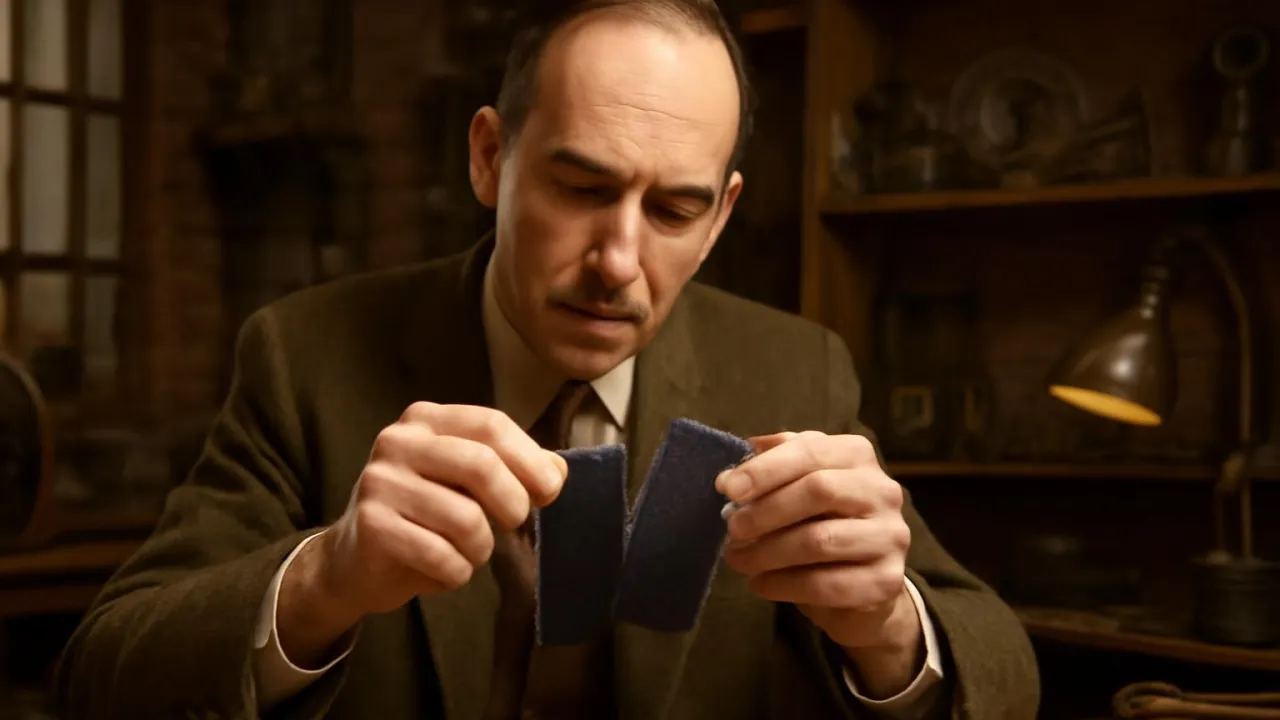
Astronauts use Velcro in space to keep their tools from floating!
✨ Word Sparks (Grade 2 Glossary)
Tap 🔊 to hear
invent
To make something new
burr
A sticky seed from plants
astronaut
A person who travels in space
🪝
Have you ever heard Velcro snap apart with a rip?
1
Inspired by Nature
A man named George saw stick to his dog. He wondered how they held on so well. He made Velcro with tiny hooks and soft loops. The hooks grab the loops, making things stick together.
2
Easy to Use
You press the strips together, and they hold tight. When you pull them apart, they make a ripping sound. Velcro is simple for kids and adults to use. You can fasten shoes, bags, and even jackets.
3
Helping People Every Day
Velcro is found in homes, schools, and hospitals. It helps people who can’t tie laces. even use it in space to keep things from floating away!
Velcro can be opened and closed thousands of times without wearing out quickly!
✨ Word Sparks (Grade 3 Glossary)
Tap 🔊 to hear
prototype
A first model of something new
patent
A legal right for an invention
microscope
A tool to see tiny things
🪝
What if your shoes could close with a sound like tearing paper?
1
Nature’s Clever Idea
George de Mestral noticed burrs clinging to his dog’s fur after a walk. He studied the burrs under a and saw tiny hooks. This gave him the idea to create a new fastener that worked like the burrs.
2
How Velcro Works
Velcro has two strips: one with small hooks and one with soft loops. When pressed together, the hooks catch the loops and hold tightly. Pulling them apart makes a loud, satisfying ripping sound. This action is caused by the hooks releasing from the loops.
3
From Prototype to Patent
George made many before he succeeded. He patented Velcro in 1955, making it a protected invention. The word ‘Velcro’ comes from the French words for velvet and hook. Velcro’s design lets it be used over and over again.
4
Velcro’s Many Uses
People use Velcro on shoes, jackets, and sports gear. Hospitals use it to hold medical devices in place. Astronauts use Velcro in space, where gravity cannot help keep things down. Its easy use helps people of all ages and abilities.
Velcro’s hook-and-loop system was directly inspired by the way plant burrs stick to animal fur.
✨ Word Sparks (Grade 4 Glossary)
Tap 🔊 to hear
biomimicry
Copying ideas from nature to invent things
mechanism
A system of working parts
aerospace
The science of flight and space travel
🪝
Imagine if a sticky plant inspired a tool used by astronauts!
1
A Walk Leads to Innovation
In 1941, Swiss engineer George de Mestral took his dog for a walk in the countryside. When he returned, he noticed burrs stuck tightly to his dog’s fur and his own clothes. Curious, he examined the burrs under a microscope and discovered they were covered in tiny hooks that latched onto loops in fabric and fur. This natural sparked his idea for a reusable fastener.
2
Engineering the Hook-and-Loop Fastener
De Mestral experimented with different materials and designs to mimic the burrs’ hook-and-loop system. He eventually created two strips: one covered in stiff hooks and the other in soft loops. When pressed together, the hooks latch onto the loops, creating a strong bond. Pulling the strips apart makes the familiar ripping sound, which happens as the hooks disengage from the loops.
3
From Prototype to Everyday Use
After years of trial and error, de Mestral patented his invention in 1955 and named it ‘Velcro’—a blend of the French words for velvet (velours) and hook (crochet). Velcro’s design allows it to be fastened and unfastened thousands of times without significant wear. Its simplicity and reliability made it popular in clothing, shoes, sports equipment, and even medical devices.
4
A Global Impact—Even in Space
Velcro’s usefulness quickly spread around the world, changing how people fasten and secure objects. It became especially important in space travel, where astronauts use Velcro to keep tools and equipment from floating away in zero gravity. Today, Velcro is used in industries from fashion to , helping people of all ages and abilities.
NASA astronauts used over 3,300 Velcro patches during Apollo missions to keep objects from floating away in space!
✨ Word Sparks (Grade 5 Glossary)
Tap 🔊 to hear
biomimetic
Inspired by how nature solves problems
resilient
Able to bend and return to shape
innovation
A new idea that changes things
🪝
What if a simple walk in the woods led to an invention used on the Moon?
1
Biomimicry in Action: The Birth of Velcro
In 1941, Swiss engineer George de Mestral returned from a countryside walk with his dog covered in stubborn burrs. Fascinated by how tightly the burrs clung to fur and fabric, he examined them under a microscope and discovered hundreds of tiny, flexible hooks. Inspired by this natural mechanism, de Mestral envisioned a synthetic fastener that could mimic the burrs’ hook-and-loop action, launching a journey into engineering.
2
Engineering the Hook-and-Loop Mechanism
De Mestral experimented with cotton and later nylon, discovering that nylon, when heat-treated, could form strong, hooks. The Velcro system consists of two strips: one covered in thousands of tiny hooks, the other in soft, fuzzy loops. When pressed together, the hooks catch the loops, forming a secure bond. Pulling the strips apart requires force, producing the signature ripping sound as the hooks disengage from the loops.
3
From Patent to Global Adoption
After perfecting his design, de Mestral patented Velcro in 1955. The name ‘Velcro’ combines ‘velours’ (velvet) and ‘crochet’ (hook) in French, reflecting both texture and function. Velcro’s durability allows it to be fastened and unfastened over 10,000 times before significant wear occurs. Its ease of use made it popular in children’s clothing, medical devices, sports equipment, and adaptive technologies for people with disabilities.
4
Velcro’s Role in Science and Space
NASA adopted Velcro during the Apollo missions, using it to secure tools, food packets, and even astronauts’ personal items in zero-gravity environments. The reliability and reusability of Velcro made it essential for space exploration, where traditional fasteners could not function effectively. Today, Velcro is found in everything from airplane cabins to robotics labs, demonstrating its versatility across scientific and engineering fields.
5
The Lasting Impact of a Simple Idea
Velcro revolutionized fastening technology by introducing a reusable, easy-to-operate mechanism inspired by nature. Its invention is a classic example of biomimicry—solving human challenges by learning from the natural world. With billions of meters produced annually, Velcro continues to impact industries globally, proving that even the smallest observations can spark world-changing .