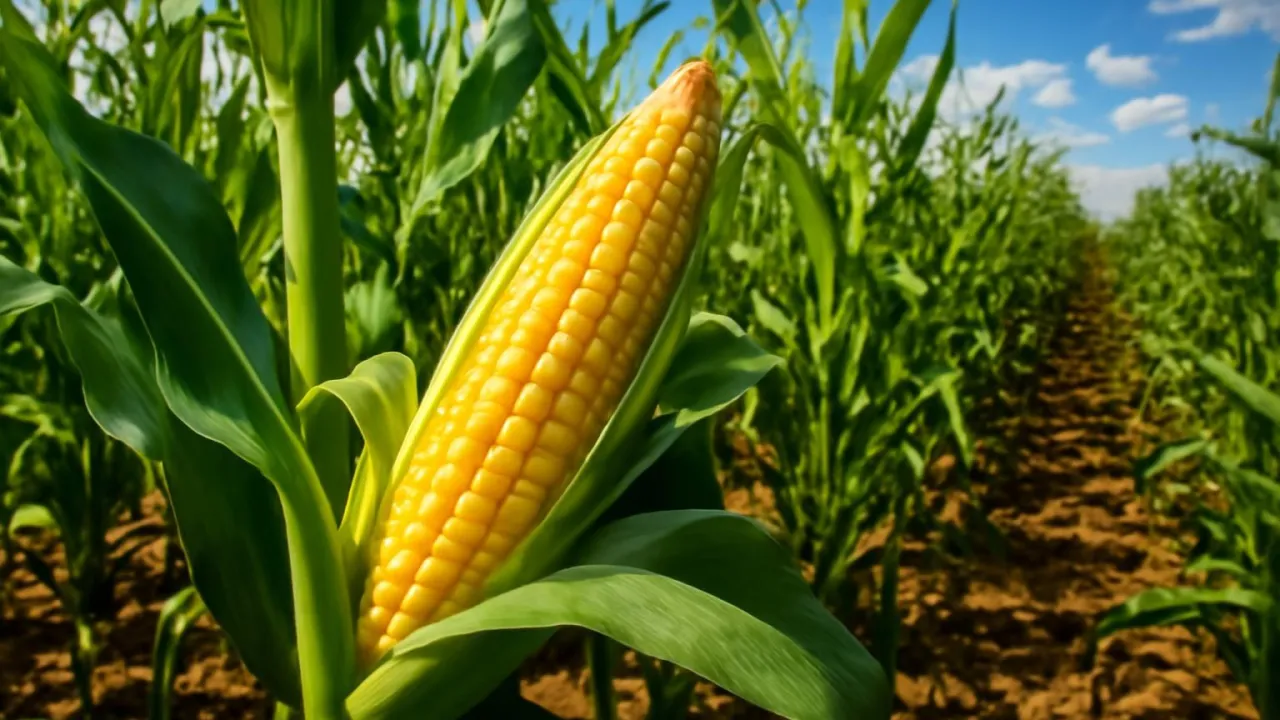
Sweet corn kernels can be planted to grow new corn plants next season.
✨ Word Sparks (Grade 2 Glossary)
Tap 🔊 to hear
kernel
A seed on the corn cob
stalk
The tall stem that holds the corn
harvest
To gather crops when they are ready
🪝
Have you ever tasted corn that is as sweet as candy?
1
What Sweet Corn Looks Like
Sweet corn has bright yellow that grow in neat rows on the cob. The kernels are soft and juicy when fresh. People love to eat sweet corn cooked or raw.
2
Where Sweet Corn Grows
Sweet corn grows best in sunny fields with plenty of water and warm weather. Farmers plant corn seeds in spring and the corn in late summer or fall. The tall green grow strong to hold the ears of corn.
3
A Special Feature
Sweet corn taste very sweet because they have more sugar than other types of corn. This makes sweet corn a favorite snack for many people. The sugar turns to starch if the corn is not eaten fresh.
2. Why does sweet corn taste sweeter than other corn?
🤯 Mind-Blowing Fact • Grade 3
Sweet corn kernels are seeds that farmers plant to grow new corn plants each year.
✨ Word Sparks (Grade 3 Glossary)
Tap 🔊 to hear
kernel
A seed on the corn cob
harvest
Gathering crops when they are ready
adaptation
A change that helps plants survive
🪝
Did you know sweet corn’s sugar makes it taste like candy?
1
Sweet Corn’s Appearance
Sweet corn plants grow tall with thick green stalks that support the ears of corn. Each ear has rows of soft, bright yellow that are juicy and sweet. The kernels are actually seeds that can grow new corn plants. The leaves of the plant are long and help catch sunlight for food.
2
How Sweet Corn Grows
Sweet corn grows best in warm, sunny fields where it gets plenty of water and nutrients from the soil. Farmers plant seeds in the spring, and the corn grows over several months. When the are full and sweet, the corn is ready to be harvested. This growth cycle is important for farmers to plan.
3
Special Features and Adaptations
Sweet corn have more sugar than regular field corn, which makes them taste sweeter. This helps attract animals and humans who eat the kernels and sometimes spread the seeds. The tall stalks protect the ears from some predators and help the plant stay upright in wind.
4
Sweet Corn’s Role
Sweet corn is an important vegetable in many food webs because animals and humans eat it. It also provides nutrients to the soil when leftovers decompose. Farmers must care for sweet corn carefully to keep it healthy and productive. This vegetable is grown worldwide because of its tasty .
1. Why do sweet corn kernels taste sweeter than regular corn?
2. What helps sweet corn plants stay upright in strong wind?
🤯 Mind-Blowing Fact • Grade 4
Sweet corn’s sugar content can change quickly after harvest, so it tastes best when fresh.
✨ Word Sparks (Grade 4 Glossary)
Tap 🔊 to hear
symbiosis
Two living things helping each other
crop rotation
Changing crops to keep soil healthy
nutrients
Food plants need to grow strong
🪝
Have you wondered how sweet corn became a favorite food worldwide?
1
Growth and Habitat
Sweet corn thrives in warm climates with full sun and well-watered soil, which helps it grow tall and strong. Farmers plant sweet corn seeds in spring, and the plants mature by late summer or early fall. The tall green stalks support ears filled with rows of sweet yellow kernels. These kernels develop sugars that make sweet corn taste delicious.
2
Ecosystem and Food Web Role
Sweet corn plays a vital role in many food webs as a source of nutrition for humans and animals alike. Birds, insects, and mammals feed on corn kernels or plants, spreading seeds and helping the ecosystem. When corn plants die, they return to the soil, enriching it for future crops. This symbiotic relationship benefits both the environment and farmers.
3
Agricultural Impact and Care
Farmers must carefully manage sweet corn crops by watering, fertilizing, and protecting them from pests to ensure a good harvest. and soil care prevent nutrient depletion and disease. Sweet corn’s popularity has encouraged selective breeding to enhance sweetness and yield. This agricultural attention helps maintain healthy, productive fields worldwide.
4
Geographic Distribution
Originally native to Central America, sweet corn is now grown globally in temperate and tropical regions. The United States is one of the largest producers, especially in the Midwest. Sweet corn adapts to various climates but requires warm temperatures and sufficient rainfall. Its worldwide cultivation reflects its importance as a nutritious and tasty vegetable.
Sweet corn’s sugar content can reach up to 8% but drops quickly after harvest.
✨ Word Sparks (Grade 5 Glossary)
Tap 🔊 to hear
photosynthesis
How plants make food from sunlight
genetic
Related to genes and heredity
carbohydrates
Nutrients that give energy to bodies
🪝
Did you know sweet corn’s scientific name reveals its unique sugar-rich variety?
1
Scientific Classification and History
Sweet corn, scientifically named Zea mays convar. saccharata var. rugosa, is a special variety of maize bred for its high sugar content. It originated in Central America thousands of years ago and was cultivated by indigenous peoples before spreading worldwide. Selective breeding has enhanced its sweetness and tenderness compared to field corn varieties. Today, sweet corn is a staple vegetable in many cultures.
2
Physiological Mechanics of Sweetness
Sweet corn kernels contain a gene mutation that slows the conversion of sugar to starch, allowing sugar to accumulate. This physiological trait makes the kernels taste sweet and juicy when fresh. The plant’s tall stalks efficiently transport water and nutrients from roots to ears, supporting kernel development. in the leaves produces sugars that feed the growing kernels.
3
Conservation and Agricultural Practices
Farmers use crop rotation and pest management to conserve soil health and prevent diseases in sweet corn fields. Modern agricultural techniques include irrigation and fertilization to optimize growth. research continues to develop varieties resistant to pests and environmental stress. Conservation of heirloom sweet corn varieties preserves genetic diversity important for future breeding.
4
Quantitative Comparisons
Sweet corn stalks typically reach heights between 6 and 10 feet, or 1.8 to 3 meters, depending on conditions. Each ear can contain 500 to 1,200 kernels arranged in 16 rows. The sugar content in fresh sweet corn can be up to 6 to 8 percent by weight, which rapidly decreases after harvest. Optimal growing temperatures range from 60 to 95 degrees Fahrenheit (16 to 35 degrees Celsius).
5
Cultural and Nutritional Importance
Sweet corn is a rich source of , fiber, and vitamins such as B and C, contributing to human nutrition worldwide. It is enjoyed fresh, canned, or frozen, making it a versatile food. Cultural festivals celebrate corn’s importance in indigenous and modern societies. Understanding its biology and cultivation helps sustain this valuable crop for future generations.