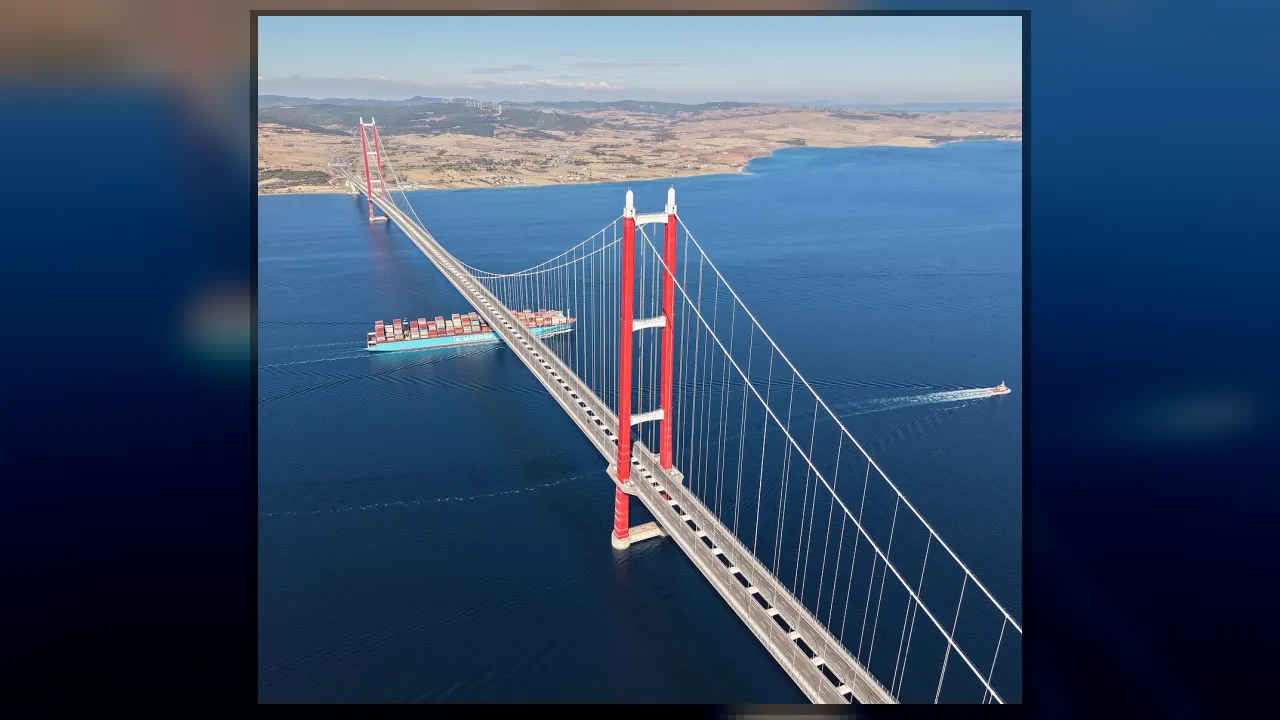
The Brooklyn Bridge has over 5,000 miles of wire in its cables!
✨ Word Sparks (Grade 2 Glossary)
Tap 🔊 to hear
tower
A tall building or support
steel
A very strong metal
deck
The flat part you walk on
🪝
Have you ever heard the wind sing on a big bridge?
1
Cables High Above
Long, thick cables stretch from to tower. They look like giant ropes in the sky. These cables hold up the bridge . People and cars can cross safely every day.
2
Twisting Many Wires
Each cable is made from many thin wires. Workers twist and spin the wires together to make them extra strong. The cables must hold up the weight of the whole bridge. That’s a lot of strength for just some wires!
3
Bridges Over Water
Suspension bridges cross wide rivers and deep valleys. The cables help the bridge stay steady, even in strong winds. People love to visit and see the amazing view. The cables make these big bridges possible.
If you stretched out all the wires in one main cable, they could reach from New York to Chicago!
✨ Word Sparks (Grade 3 Glossary)
Tap 🔊 to hear
tension
A pulling force that stretches things
anchor
Something that holds things in place
vibration
A shaking or moving back and forth
🪝
Imagine walking across a bridge that seems to float above the water—how does it stay up?
1
Wires That Hold Up Wonders
Suspension bridges use giant cables to stretch across rivers and valleys. These cables are anchored to the ground at both ends and drape over tall towers. The bridge deck hangs from the cables by smaller vertical wires. This lets people and cars travel safely across great distances.
2
Spinning Steel for Strength
Each main cable is made by spinning thousands of thin steel wires together. This process gives the cable incredible strength and flexibility. The steel wires are tightly bundled so they can handle the heavy weight of traffic. Engineers call this a 'bundle' or 'strand' of wires.
3
How Suspension Works
The cables use , a force that pulls and stretches, to hold up the bridge. The towers support the cables, and the cables support the deck. This design lets bridges cross places where building supports in the water would be too hard. The cables must resist from wind and cars.
4
Changing the World
Suspension bridge cables made it possible to build longer bridges than ever before. Famous bridges like the Golden Gate and Brooklyn Bridge use this invention. People can now cross wide rivers and deep canyons easily. Suspension bridges have become symbols of human engineering and creativity.
1. What force helps suspension cables hold up the bridge?
2. Why do engineers use many thin wires in a cable?
🤯 Mind-Blowing Fact • Grade 4
The Akashi Kaikyō Bridge in Japan has cables made from over 300,000 kilometers of steel wire—enough to circle Earth nearly eight times!
✨ Word Sparks (Grade 4 Glossary)
Tap 🔊 to hear
suspender
A vertical wire that hangs the bridge deck
span
The distance a bridge crosses
engineer
A person who designs and builds things
🪝
What if you could build a bridge strong enough to cross an entire bay?
1
The Birth of Suspension Bridge Cables
In the early 1800s, inventors like Thomas Telford and John A. Roebling began experimenting with iron and steel cables. Before this, bridges could not very wide gaps because stone and wood could not stretch far. By spinning thousands of steel wires together, created cables that were both flexible and extremely strong. These new cables allowed bridges to cross rivers, bays, and deep valleys that once seemed impossible.
2
How Cables Hold Up Bridges
Suspension bridges use two or more main cables, which are anchored firmly into the ground on each side. The cables drape over tall towers and support the bridge deck with vertical wires called . The entire weight of the bridge and its traffic is carried by the tension in these cables. This design lets bridges stretch over long distances without needing many supports in the water.
3
Engineering Marvels and Forces at Work
The main cables are made by spinning thousands of thin steel wires into giant bundles. This process creates a cable that can withstand incredible tension and resist vibration from wind and moving vehicles. The towers transfer the downward force of the bridge into the ground, while the cables pull outward and upward. carefully calculate the size and strength of every cable to keep the bridge safe and steady.
4
Changing Cities and Connecting People
Suspension bridge cables have transformed transportation and city life around the world. Bridges like the Golden Gate and Akashi Kaikyō have become famous landmarks, connecting communities that were once separated by water. These bridges allow people to travel, trade, and explore in ways that were never possible before. The invention of suspension cables truly changed the way we connect our world.
1. Why did suspension cables change bridge building?
2. What do engineers use to make strong bridge cables?
🤯 Mind-Blowing Fact • Grade 5
The main cables of the Golden Gate Bridge each contain 27,572 wires—enough to circle Earth more than three times if laid end to end!
✨ Word Sparks (Grade 5 Glossary)
Tap 🔊 to hear
fatigue
When metal weakens from repeated use
anchorages
Strong structures that hold cables in place
corrosion
Rust or damage from water and air
🪝
What if you had to design a bridge that could stretch across a mile-wide river and withstand powerful storms?
1
A Revolution in Bridge Engineering
Before the 19th century, bridge builders were limited by the strength and span of stone, wood, or iron beams. The invention of suspension bridge cables in the early 1800s by pioneers like Thomas Telford and John A. Roebling revolutionized civil engineering. By spinning thousands of steel wires into massive cables, engineers could create bridges that crossed distances previously thought impossible. These cables not only enabled longer spans but also allowed bridges to flex and adapt to environmental stresses.
2
How Suspension Cables Work
Suspension bridges rely on two or more enormous main cables, each composed of up to 37,000 individual steel wires. These cables are anchored deeply into the ground or rock at both ends and draped over tall towers, which can rise over 150 meters above the water. The main cables support the bridge deck through vertical suspender cables, transferring the load to the towers and then into the earth. The entire system is governed by the physics of tension, where the cables are stretched tight to counteract the downward force of gravity.
3
Engineering Forces and Materials
The strength of suspension bridge cables comes from both the material—high-carbon steel—and the way the wires are bundled. Spinning thousands of thin wires together distributes weight and resists , vibration, and . Engineers must calculate the precise tension each cable will endure, sometimes exceeding 200,000,000 newtons of force. Towers must be strong enough to bear the vertical load, while must withstand the horizontal pull from the cables.
4
Global Impact and Iconic Structures
Suspension bridge cables have enabled the construction of some of the world’s most iconic structures, such as the Golden Gate Bridge (main span: 1,280 meters) and the Akashi Kaikyō Bridge (main span: 1,991 meters). These bridges have transformed transportation networks, connecting cities, countries, and continents. The ability to span vast distances with minimal supports in the water has reduced travel times, boosted trade, and inspired awe in millions of visitors.
5
Evolving Designs and Future Innovations
Modern suspension bridge cables continue to evolve with advances in material science and computer modeling. Engineers now use -resistant coatings, robotic wire spinning, and real-time monitoring systems to ensure safety and longevity. As cities grow and climate challenges increase, suspension bridge cables will remain critical for building resilient, sustainable infrastructure. Their invention stands as a testament to human ingenuity, creativity, and the power of engineering to connect our world.