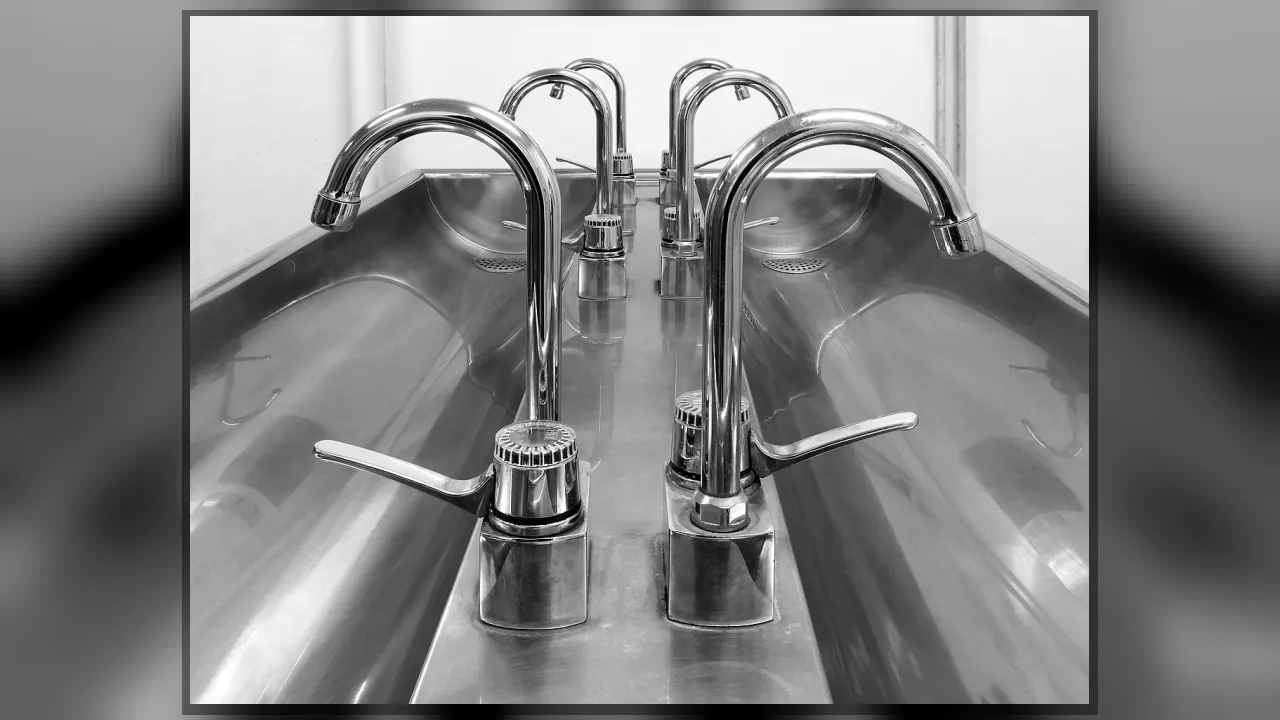
Some stainless steel bridges can last more than 100 years in the rain.
✨ Word Sparks (Grade 2 Glossary)
Tap 🔊 to hear
chromium
A shiny metal that stops rust
protect
To keep something safe
bridge
A road over water or land
🪝
What would happen if your fork never turned brown or rusty?
1
A Metal That Stays Bright
Imagine touching a spoon that always feels cool and shiny. Stainless steel keeps its bright look even after many washes, and it does not get rusty like other metals. People use it for sinks, forks, and even for building big . That makes it very helpful in our lives.
2
How Is It Made?
To make stainless steel, workers mix iron with a metal called . The chromium helps the steel from water and air, so it does not rust. This mix keeps the metal smooth and bright for years. That is why it is called 'stainless.'
3
All Around Us
Doctors use stainless steel for safe, clean tools, and builders use it for strong buildings and trains. You even see it in your kitchen every day, shining in pots and pans. Stainless steel makes life safer and easier for everyone.
2. What is mixed with iron to make stainless steel?
🤯 Mind-Blowing Fact • Grade 3
Stainless steel can be recycled over and over without losing its strength.
✨ Word Sparks (Grade 3 Glossary)
Tap 🔊 to hear
corrode
To slowly break down by rust
alloy
A mix of two or more metals
resonance
How sound vibrates in something
🪝
Imagine a metal spoon that stays bright and never gets rusty—how is that possible?
1
The Secret of Stainless Steel
Stainless steel looks shiny because it does not rust like regular iron. When iron gets wet, it reacts with oxygen and forms brown rust. But stainless steel has chromium mixed in, which stops rust from forming. This makes it perfect for things that need to stay clean and strong.
2
Invented for a Purpose
In 1913, Harry Brearley in England was searching for a metal that would not . He discovered that adding chromium to iron made a new . This alloy resisted stains and rust, so it was called 'stainless steel.' Soon, factories began making it for tools and machines.
3
How It Works
Chromium in stainless steel forms a thin, invisible layer called a 'passive film.' This film protects the metal from air and water, stopping corrosion. That is why stainless steel is used in hospitals, kitchens, and even on tall buildings.
4
Everyday Uses
You can find stainless steel in sinks, trains, and even sculptures. Its acoustic makes it useful for musical instruments, too. Because it resists erosion, it lasts for many years. Stainless steel helps keep our world cleaner and safer.
The Gateway Arch in St. Louis is the world’s tallest stainless steel monument.
✨ Word Sparks (Grade 4 Glossary)
Tap 🔊 to hear
passivation
A way metal protects itself from rust
oxide
A layer made when metal meets air
sterilized
Made very clean and germ-free
🪝
What if skyscrapers, bridges, and hospital tools could resist rust for a lifetime?
1
A Sparkling Solution to Rust
Before stainless steel, iron and steel objects would corrode and stain from water and air, causing problems for builders and doctors. In 1913, Harry Brearley of Sheffield, England, discovered that adding about 12% chromium to iron created a new alloy that resisted corrosion. This breakthrough meant tools, utensils, and machines could last much longer without rusting. Stainless steel quickly became a favorite for its clean look and lasting strength.
2
How Stainless Steel Works
The key to stainless steel’s power is its chromium content, which forms a thin, invisible layer on the surface. This layer, called the 'passive film,' blocks oxygen and moisture from reaching the iron inside, preventing rust and stains. The process is called , and it makes stainless steel ideal for environments where cleanliness and durability matter. Even if the surface is scratched, the film can repair itself in air.
3
Changing the Modern World
Stainless steel revolutionized many industries, from food service to medicine. Hospitals use it for surgical tools because it can be and does not react with blood or medicine. Builders use it for bridges, monuments, and skyscrapers because it resists erosion and keeps its shine. Its acoustic properties even make it useful for musical instruments and art.
4
A Lasting Legacy
Today, stainless steel is found everywhere: in kitchens, trains, sculptures, and even space rockets. It is 100% recyclable, so old stainless steel can become new products again and again. Thanks to this invention, our world is cleaner, safer, and more beautiful.
2. What happens if stainless steel gets scratched?
🤯 Mind-Blowing Fact • Grade 5
Stainless steel is so durable that some sculptures and buildings made with it are designed to last over 1,000 years.
✨ Word Sparks (Grade 5 Glossary)
Tap 🔊 to hear
tensile strength
How much force something can pull before breaking
chromium oxide
A thin layer that stops rust on steel
sustainable
Good for the Earth and future generations
🪝
What if a single invention could transform kitchens, skyscrapers, and even rocket ships by defeating rust?
1
The Discovery That Changed Metal Forever
In the early 1900s, engineers struggled with metals that corroded and weakened over time, especially in harsh environments. In 1913, metallurgist Harry Brearley, working in Sheffield, England, was experimenting with different alloys to solve this problem for gun barrels. By adding approximately 12–13% chromium to molten iron, he discovered a new material that resisted rust and staining, even after exposure to acids and moisture. This breakthrough alloy was soon called 'stainless steel,' and its impact was immediate across multiple industries. Brearley’s innovation marked the beginning of a new era in materials science.
2
The Science Behind Stainless Steel’s Strength
Stainless steel’s remarkable durability comes from its unique atomic structure and chemical composition. When chromium is present in the alloy, it reacts with oxygen in the air to form a microscopically thin layer of on the surface. This 'passive film' is self-healing, meaning it reforms instantly if scratched, blocking further oxidation and corrosion. The addition of other elements, like nickel or molybdenum, can further enhance its resistance to acids, extreme temperatures, and mechanical stress. Stainless steel’s crystalline structure also gives it high and flexibility.
3
From Spoons to Skyscrapers: A Global Impact
Stainless steel revolutionized construction, transportation, and healthcare by providing a material that was strong, hygienic, and long-lasting. Skyscrapers like the Chrysler Building in New York and the Gateway Arch in St. Louis use stainless steel for their gleaming exteriors, which resist weathering and require little maintenance. In hospitals, stainless steel tools can be sterilized repeatedly without degrading, reducing infection risks. Even in food production, stainless steel tanks and surfaces prevent contamination and are easy to clean, supporting global health and safety.
4
Engineering Marvels and Everyday Uses
Engineers and architects rely on stainless steel’s properties—such as its high yield strength, ductility, and acoustic resonance—for designing bridges, trains, and even musical instruments. Its resistance to erosion and ability to withstand both high and low temperatures make it ideal for chemical plants, ships, and space exploration. The alloy is also fully recyclable, making it a choice for the future. Today, more than 50 million tons of stainless steel are produced worldwide each year.
5
A Legacy of Innovation and Sustainability
Over the past century, stainless steel has evolved into hundreds of specialized grades, each tailored for specific uses, from surgical implants to jet engines. Its invention not only changed the way we build and heal but also set new standards for environmental responsibility, since stainless steel can be recycled indefinitely without losing its properties. The next time you see a shining elevator, a sturdy bridge, or a sparkling kitchen sink, you’re witnessing the enduring legacy of stainless steel—a material that truly changed the world.