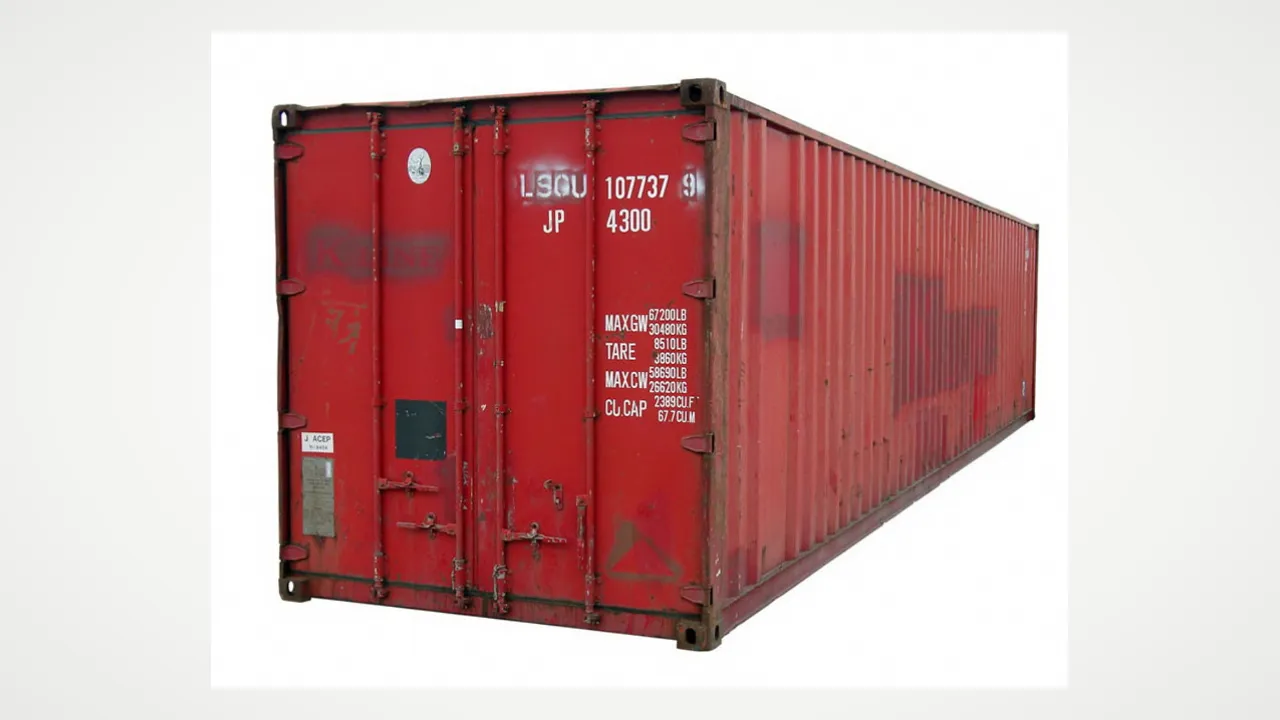
Over 90% of world trade moves in shipping containers!
✨ Word Sparks (Grade 2 Glossary)
Tap 🔊 to hear
container
A big box for carrying things
port
A place where ships stop
steel
A very strong kind of metal
🪝
Have you ever seen a giant metal box on a truck?
1
How Do Boxes Travel?
Shipping ride on ships, trucks, and trains. They get picked up by huge cranes at busy . These boxes can travel across oceans and over land. People use them to move many things.
2
Why Are They Special?
The are made of strong and can be stacked high. They keep toys, clothes, and food safe from wind and rain. Every box is the same size, so they fit together perfectly. This makes loading and unloading much faster.
3
A World of Sharing
Shipping help countries share things with each other. They let people send gifts, books, and snacks far away. Thanks to these boxes, the world feels more connected. You might get a toy from another country!
The largest container ships can carry over 20,000 containers at once!
✨ Word Sparks (Grade 3 Glossary)
Tap 🔊 to hear
intermodal
Can move by ship, train, or truck
crane
A tall machine for lifting heavy things
steel
Very strong metal used for building
🪝
Can you imagine a puzzle made of giant steel boxes?
1
A Box for the World
Shipping containers are huge, strong boxes made of . They travel on ships, trains, and trucks all over the world. Each container is exactly the same size and shape. This lets workers stack them up like building blocks.
2
How Do They Work?
lift containers using special hooks that grab their corners. The containers lock into place so they do not move during travel. Their walls protect things inside from rain, wind, and even thieves. This design is called '' because it works with many types of transport.
3
A Smart Invention
Malcom McLean invented the modern shipping container in 1956. Before his idea, workers loaded ships by hand, which took days. With containers, loading and unloading became much faster and safer. This invention changed how the world trades goods.
4
Why Do They Matter?
Shipping containers let countries send toys, food, and tools to each other easily. They help people everywhere get what they need from far away places. Today, millions of containers move across oceans every year. Our world feels smaller because of these big boxes.
1. What does 'intermodal' mean for shipping containers?
2. Who invented the modern shipping container?
🤯 Mind-Blowing Fact • Grade 4
If you lined up all the shipping containers in the world, they would circle Earth more than twice!
✨ Word Sparks (Grade 4 Glossary)
Tap 🔊 to hear
corrugated
Wavy or ridged for extra strength
standardized
Made to be the same size
mechanism
A part that makes something work
🪝
What if every toy, book, and snack you own once traveled inside a giant metal box?
1
The Power of the Steel Box
Shipping containers are sturdy, rectangular boxes made of steel that protect cargo from weather and theft. Each container is built to a standard size—usually 20 or 40 feet long—so they can be stacked and moved easily. Massive cranes use special locking to lift and secure these containers onto ships, trains, and trucks. This uniform system allows goods to travel seamlessly across the globe.
2
How Intermodal Transport Works
The word 'intermodal' describes how these containers can switch between ships, trains, and trucks without unloading the goods inside. Steel corner castings let cranes grab and lock containers safely in place. The strong, sealed walls protect everything inside from rain, wind, and even salty sea spray. Because the containers are , ports and vehicles around the world can handle them efficiently.
3
A Revolutionary Invention
Malcom McLean, an American truck company owner, introduced the modern shipping container in 1956. Before his invention, cargo was loaded by hand, which was slow, costly, and risky for workers. McLean's idea sped up shipping, reduced damage and theft, and made world trade much cheaper. Today, almost everything we use—from electronics to shoes—travels in these containers.
4
Changing the World’s Economy
Shipping containers have transformed how nations trade and connect with each other. They made it possible for countries to share food, clothes, and technology quickly and safely. Because of these boxes, people everywhere can enjoy goods made far away. The shipping container is a true symbol of our connected, global world.
1. Why is it important that containers are standardized?
2. How did Malcom McLean's invention change shipping?
🤯 Mind-Blowing Fact • Grade 5
The world’s busiest port, Shanghai, moves over 47 million containers every year—more than one every second!
✨ Word Sparks (Grade 5 Glossary)
Tap 🔊 to hear
corrosion
When metal slowly rusts from air or water
gantry crane
A giant crane that moves containers at ports
modular
Made of parts that fit together easily
🪝
Imagine standing on a dock as a crane thunders overhead, lifting a 40-foot steel box packed with electronics, shoes, or even bananas—how did this simple invention reshape the entire world?
1
Engineering the Universal Box
Shipping containers are engineered from corrugated steel, which provides exceptional strength and resistance to damage during long journeys at sea or over land. Most containers are either 20 or 40 feet long, 8 feet wide, and 8.5 feet tall, with reinforced steel corner castings for secure stacking and lifting. The design must withstand stacking loads of up to 192,000 kilograms and protect cargo from wind, rain, and saltwater . Special locking mechanisms, called twistlocks, connect containers to each other and to transport vehicles, ensuring stability even in rough conditions. This robust construction allows containers to be reused for decades, making them both durable and cost-effective.
2
Intermodal Transport: A Seamless Journey
The term 'intermodal' refers to the container’s ability to transfer between ships, trains, and trucks without ever unloading its contents. At ports, massive with spreader bars grip the standardized corner fittings, lifting containers with precision and speed. On ships, containers are stacked in carefully planned arrangements to balance the vessel and maximize capacity. When containers reach land, they are loaded onto flatbed trucks or double-stacked on trains, all using the same standardized fittings. This seamless system reduces labor costs, minimizes cargo damage, and greatly speeds up global trade.
3
A Revolution in Global Logistics
Malcom McLean, a North Carolina trucking entrepreneur, launched the first container ship, the Ideal X, in 1956, forever changing how goods moved around the world. Before this, loading and unloading ships was slow, expensive, and dangerous, with thousands of individual items handled by hand. The shipping container’s , secure design slashed shipping times and costs, allowing companies to move goods in bulk and making global supply chains possible. Today, over 800 million containers are shipped annually, carrying everything from electronics and machinery to food and clothing.
4
Economic and Social Impact
The shipping container sparked the rise of global trade and transformed economies by making it affordable to produce goods in one country and sell them in another. It led to the growth of massive ports, the creation of new jobs, and the spread of goods and ideas worldwide. The container’s influence reaches every corner of daily life—most items in your home likely traveled in one. Its standardization also reduced theft and damage, making international shipping more reliable and secure.
5
The Future of Containerization
Today, engineers are developing 'smart' containers with sensors that track temperature, humidity, and location in real time. Some containers are being repurposed as homes, schools, and even emergency hospitals, showing their versatility beyond shipping. As global trade continues to grow, containers will remain a backbone of the world economy, evolving with new technology and environmental needs. The simple steel box, born from a need for efficiency, stands as one of humanity’s most influential inventions, connecting people, cultures, and markets across continents.