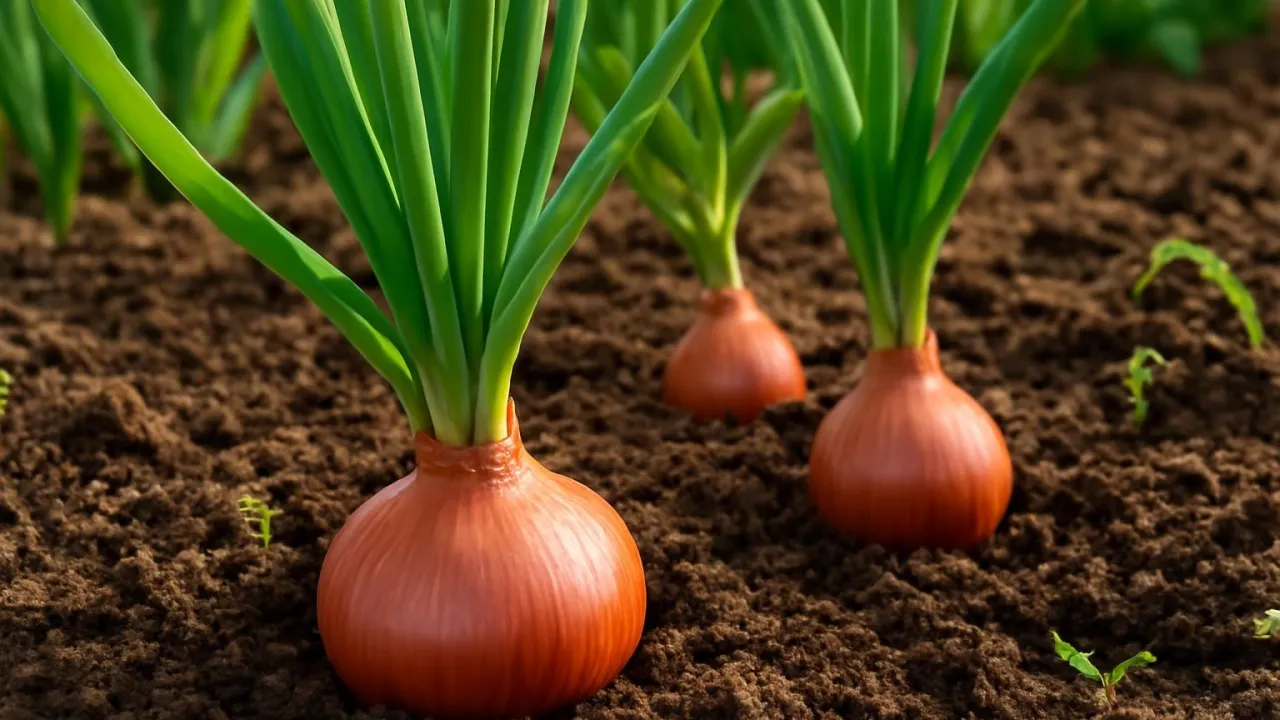
Shallots grow in clusters of small bulbs, unlike regular onions that grow as one bulb!
✨ Word Sparks (Grade 2 Glossary)
Tap 🔊 to hear
cluster
A group of things close together.
soil
The dirt where plants grow.
mild
Not strong or spicy in taste.
🪝
Have you ever tasted a small onion that is sweeter and milder called a shallot?
1
Shallot Appearance and Taste
Shallots look like small onions with brown or reddish skin, and they taste and sweet. They have many small bulbs that grow close together in . People often use shallots to add gentle flavor to many cooked dishes.
2
Where Shallots Grow
Shallots grow best in warm places with full sun and well-drained . Farmers plant them in gardens or fields during the spring or fall seasons. The bulbs develop underground while green leaves grow above the soil.
3
How Shallots Are Used
Chefs like to cook with shallots because their flavor is less strong than onions. They can be chopped and added to soups, salads, or sauces. Shallots add a tasty, onion flavor to many recipes.
Shallots belong to the same family as onions and garlic but grow in clusters underground!
✨ Word Sparks (Grade 3 Glossary)
Tap 🔊 to hear
photosynthesis
How plants use sunlight to make food.
ecosystem
A place where plants and animals live together.
pollinate
When insects help flowers make seeds.
🪝
Did you know shallots are a type of onion that grows in clusters underground?
1
Shallot Appearance and Adaptations
Shallots have a thin, papery skin that protects the bulbs underground. Their small bulbs grow tightly in clusters, which helps them survive in different soils. The green leaves above ground collect sunlight for . This adaptation allows shallots to store nutrients in their bulbs.
2
Shallot Growth and Habitat
Shallots grow best in warm climates with well-drained soil to avoid rot. They need full sun to make food through . Farmers plant shallots in gardens or fields in spring or fall. The bulbs develop underground while the leaves grow above the soil surface.
3
Shallots in Cooking and Food Webs
Shallots add a mild, sweet flavor to many dishes, making them popular in cooking worldwide. They are part of the food web because insects may their flowers. Also, animals sometimes eat shallots or their leaves. This shows their role in as both plants and food sources.
4
Interesting Facts About Shallots
Unlike regular onions, shallots grow in clusters of bulbs instead of one large bulb. They have a milder taste, which makes them easier to eat raw or cooked. Shallots are related to garlic and onions in the Allium family. This family shares similar features like strong smells and layers.
1. How do shallots protect their bulbs underground?
2. What family do shallots belong to?
🤯 Mind-Blowing Fact • Grade 4
Shallots help support food webs by feeding insects and animals while also growing in diverse climates worldwide.
✨ Word Sparks (Grade 4 Glossary)
Tap 🔊 to hear
biodiversity
Many different plants and animals living together.
sustainable
Using resources without hurting nature.
pollinators
Insects that help plants make seeds.
🪝
Have you ever wondered how shallots grow in clusters and add flavor to dishes worldwide?
1
Shallot Growth and Adaptations
Shallots grow in clusters of small bulbs underground, which helps them survive in various soil types and climates. Their thin, protective skin guards against pests and moisture loss. Above ground, green leaves capture sunlight through photosynthesis to produce food. These adaptations allow shallots to store energy efficiently for growth and reproduction.
2
Ecosystem Role and Agricultural Impact
In ecosystems, shallots contribute by providing food for insects and small animals, which helps maintain food webs. like bees visit shallot flowers to collect nectar, aiding seed production. Farmers cultivate shallots worldwide, valuing their mild flavor and versatility in cooking. farming practices help protect soil health and where shallots grow.
3
Geographic Distribution and Cultivation
Shallots originated in Central Asia and Iran but are now grown globally in temperate and subtropical regions. They thrive in well-drained soils with full sun exposure and moderate watering. Planting usually occurs in spring or fall to avoid extreme temperatures. Their ability to grow in clusters makes harvesting easier and increases yield for farmers.
4
Unique Features and Culinary Uses
Unlike common onions, shallots have a milder, sweeter taste that chefs prefer for delicate dishes. Their clustered bulbs allow for quicker cooking and easier peeling. Shallots are used raw in salads or cooked in sauces, soups, and marinades. Their subtle flavor enhances dishes without overpowering other ingredients.
Shallots grow in clusters of 2 to 8 bulbs, each about 1 to 2 inches wide, thriving in moderate soil temperatures.
✨ Word Sparks (Grade 5 Glossary)
Tap 🔊 to hear
cultivar
A plant type grown for special traits.
agroecosystem
A farm environment with plants and animals.
heirloom
Old plant varieties saved by farmers.
🪝
Did you know shallots are a unique Allium species that grow in clusters and have fascinating botanical traits?
1
Taxonomy and Botanical Characteristics
Shallots, scientifically known as Allium cepa var. aggregatum, belong to the Allium genus, which includes onions, garlic, and leeks. Unlike typical onions that grow as single bulbs, shallots form clusters of smaller bulbs connected at the base. Their papery skin ranges from golden brown to reddish hues, and their flavor profile is milder and sweeter than common onions. This botanical distinction makes shallots a unique within the Allium family.
2
Physiological Growth and Adaptations
Shallots grow underground in clusters, which protects them from environmental stressors like drought and pests. Their green leaves perform photosynthesis, producing carbohydrates that store energy in the bulbs. The bulbs’ layered structure allows for nutrient storage and gradual sprouting during growth cycles. Shallots require well-drained soil and full sun to maximize photosynthesis and bulb development, adapting well to temperate and subtropical climates.
3
Culinary History and Conservation
Historically, shallots have been cultivated for thousands of years, originating in Central Asia and spreading globally due to their valued culinary uses. Their mild flavor made them popular in European and Asian cuisines. Modern agricultural practices focus on sustainable cultivation to preserve soil quality and biodiversity. Efforts to conserve shallot varieties help maintain genetic diversity and protect against crop diseases.
4
Quantitative Comparisons and Growth Data
Shallot bulbs typically measure 1 to 2 inches (2.5 to 5 cm) in diameter and weigh between 10 to 30 grams each. They grow in clusters of 2 to 8 bulbs per plant, increasing overall yield compared to single-bulb onions. Shallots thrive in soil temperatures ranging from 55 to 75 degrees Fahrenheit (13 to 24 degrees Celsius). Their growth cycle spans approximately 90 to 120 days from planting to harvest, depending on climate conditions.
5
Ecological and Agricultural Importance
Shallots play an important role in by supporting pollinators such as bees that visit their flowers, enhancing biodiversity. Their clustered growth habit reduces soil erosion by maintaining ground cover. Sustainable farming of shallots promotes soil health and reduces the need for chemical pesticides. This ecological balance benefits both farmers and natural habitats, making shallots a valuable crop worldwide.