🧬 HUMAN BODY
🧬 Polypeptides & 20 Standard Amino Acids • Structural Biochemistry
VA Science & Health SOL 1.1, 3.1, 4.2, 5.1 (Cells, Organs & Body Systems)
Proteins & Amino Acids
Snap-Together Beads Building Every Living Cell
Grade 4 • Expanding • 207 words
🩺 Body System & LocationMuscles, Skin, Hair, Blood, Enzymes & Every Cell Ribosome
🔬 Size / Cell Count20 amino acid building blocks • Over 20,000 unique human proteins
⚙️ Core JobBuilds muscles, organs, antibodies, hormones, and enzymes across the body
⚡ Body SuperpowerSnaps just 20 kinds of tiny beads into origami shapes that run almost every job in life
🤯 Mind-Blowing Fact • Grade 1
Spiderwebs, eagle feathers, rhino horns, and your own fingernails are all built out of tough proteins!
✨ Word Sparks (Grade 1 Glossary)
Tap 🔊 to hear
Protein
Builder nutrient making muscles, hair, and cells
Amino Acid
Tiny bead building block of every protein
Muscle
Stretchy protein tissue that moves your bones
🪝
What builds your bouncy hair, strong muscles, and hard fingernails all at once?
1
Body Building Blocks!
Flex your arm and touch your hair! Both are made of tiny builders called . Proteins build and fix almost every part of you.
2
Pop-Bead Necklaces
Picture snapping colorful pop-beads into a long necklace! Each tiny bead in a is called an .
3
Yummy Protein Foods
When you eat eggs, beans, chicken, fish, nuts, or yogurt, your tummy unsnaps those beads. Then your cells build brand-new YOU !
1. What are the tiny bead-like building blocks that snap together to make proteins?
2. Which group of foods gives your body lots of protein builders?
🤯 Mind-Blowing Fact • Grade 2
Excluding water, roughly half of the dry weight of your entire human body is made of protein!
✨ Word Sparks (Grade 2 Glossary)
Tap 🔊 to hear
Essential
Needed from food because bodies cannot make it
Keratin
Tough protein forming hair and fingernails
Antibody
Y-shaped protein tagging germs for cleanup
🪝
How can twenty kinds of tiny building blocks build twenty thousand different body parts?
1
A Twenty-Letter Alphabet
Think about the twenty-six letters of our alphabet—you can arrange them to write jokes, poems, or giant chapter books! Your body uses just twenty kinds of amino acids in the exact same way, stringing them together to build over twenty thousand different proteins.
2
Unpack and Rebuild
When you munch peanut butter toast or chicken soup, digestive juices snip those food proteins back into single amino acids. Blood carries those loose beads to your cells, which snap them into fresh muscle fibers, hair , and germ-blocking antibodies!
3
Essential Nine From Food
Your liver can build eleven of the twenty amino acids on its own. The other nine are called amino acids because they must come straight from the healthy meals you eat!
1. How many different kinds of amino acids do human cells use to build proteins?
2. Why are nine of those twenty amino acids called 'essential'?
🤯 Mind-Blowing Fact • Grade 3
Your muscles contain a giant spring-like protein named titin made of over thirty-four thousand amino acids—its full chemical name takes more than three hours to read aloud!
✨ Word Sparks (Grade 3 Glossary)
Tap 🔊 to hear
Ribosome
Tiny cell factory linking amino acids together
Complete Protein
Food packing all nine essential amino acids
Insulin
Messenger protein guiding sugar into body cells
🪝
Why do rice and beans team up on plates all around the world to make a superstar protein meal?
1
Origami Inside Ribosomes
Inside every cell float thousands of tiny protein factories called ! Reading instructions copied from your DNA genes, ribosomes click amino acids together in an exact order. Instantly, that chain folds like 3D origami into a working shape!
2
Shape Decides the Job
Every protein's 3D shape matches its job. Long rope-like proteins such as collagen and actin build bones and muscles. Round globe-shaped proteins like hemoglobin and glide through blood carrying oxygen or chemical messages!
3
Complete and Complementary Foods
Eggs, milk, fish, poultry, soy tofu, and quinoa are called because each packs plenty of all nine essential amino acids. Grains like rice run low in one bead while beans run low in another—eat rice and beans together, and they complete the whole set!
4
Daily Repair Crew
Unlike fat or starch, your body keeps no spare protein tank. Eating balanced protein across breakfast, lunch, and dinner keeps growing muscles and immune cells supplied!
1. Which tiny factory inside your cells snaps amino acids into protein chains?
2. Why do classic meals like beans with rice or peanut butter on whole-wheat bread work so well?
🤯 Mind-Blowing Fact • Grade 4
Clear egg white turns opaque white when cooked because heat unravels tightly coiled albumin proteins into tangled nets that bounce light right back to your eyes!
✨ Word Sparks (Grade 4 Glossary)
Tap 🔊 to hear
Peptide Bond
Strong chemical link joining two amino acids
Polypeptide
Long chain of linked amino acid beads
Albumin
Abundant water-balancing protein in eggs and blood
🪝
Why does clear liquid egg white turn firm and snowy white in a hot skillet—and what does that reveal about protein shapes?
1
Peptide Bonds and Side-Chain Personalities
Every amino acid shares the same backbone hook—an amino group on one end and an acid group on the other—plus a unique side chain called an R-group that gives each of the twenty amino acids its own chemical personality! Some side chains love water, others repel water like oil, and some carry electric charges. When ribosomes link amino acids with sturdy into a chain, water-shy beads tuck inward while water-loving beads face outward, folding the strand into an exact 3D sculpture.
2
Cooking Eggs and Folding Rules
Crack a raw egg into a frying pan, and clear liquid protein turns solid white! Sizzling heat jiggles apart the gentle attractions holding folded protein balls neat; the unraveled strands tangle together and trap water. Inside your stomach, hydrochloric acid unravels food proteins the same way so protease enzymes like pepsin and trypsin can snip every clean.
3
Six Superstar Roles
Once absorbed through intestinal villi, amino acids power six vital roles: structural cables (collagen, keratin), contractile motors (actin, myosin), catalysts (enzymes), transporters (hemoglobin, aquaporins), defenders (antibodies), and hormones (insulin, growth hormone).
4
Continuous Protein Turnover
Even when you sit quietly reading, your body recycles roughly two hundred fifty grams of old cellular proteins every day—repairing exercised muscle fibers and refreshing enzymes around the clock!
1. What gives each of the twenty amino acids its own unique chemical personality and folding behavior?
2. Why does stomach acid unravel folded food proteins before enzymes snip them?
🤯 Mind-Blowing Fact • Grade 5
In 2024, the Nobel Prize in Chemistry honored breakthroughs in predicting 3D shapes for over two hundred million proteins from their amino acid sequences and designing brand-new medicinal proteins from scratch!
✨ Word Sparks (Grade 5 Glossary)
Tap 🔊 to hear
Alpha-helix
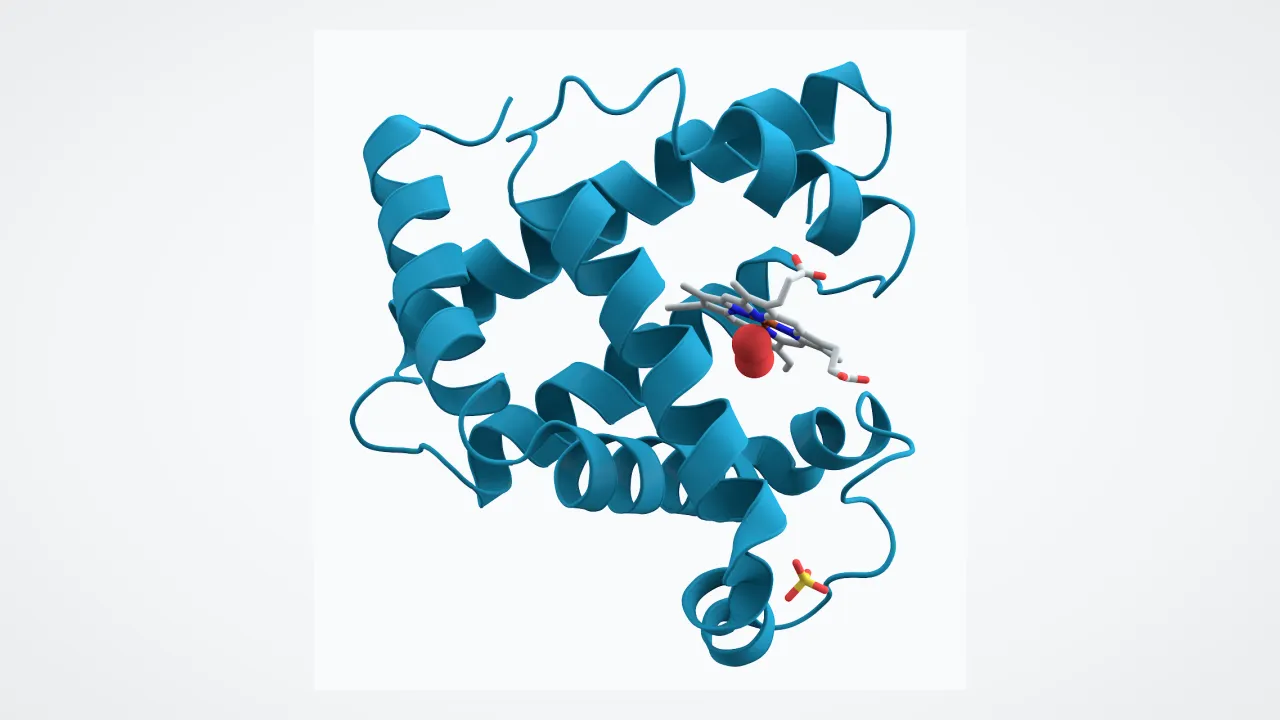
Spiral ribbon shape inside folded proteins
Codon
Three-letter RNA code specifying one amino acid
Hydrophobic
Water-avoiding side chains tucking inside proteins
🪝
How did scientists crack the 'protein-folding problem' that baffled biologists for fifty years using artificial intelligence?
1
First Place Among Molecules
In 1838, Swedish chemist Jöns Jacob Berzelius suggested naming life's nitrogen-rich macromolecules 'proteins,' from the Greek proteios meaning 'holding first place.' Unlike carbohydrates and lipids built solely of carbon, hydrogen, and oxygen, every amino acid incorporates nitrogen (and two—methionine and cysteine—incorporate sulfur). Ribosomes read messenger RNA three bases at a time, forging covalent peptide bonds at up to twenty amino acids per second!
2
Four Levels of Protein Architecture
Biochemists map protein structure across four tiers. Primary structure is the linear amino acid sequence—first sequenced for insulin by Frederick Sanger in 1951, earning the first of his two Nobel Prizes. Secondary structure twists segments into hydrogen-bonded alpha-helices and pleated beta-sheets. Tertiary structure folds the entire polypeptide via interactions, ionic salt bridges, and disulfide bonds; quaternary structure assembles multiple subunits into complexes like four-chain hemoglobin.
3
When One Amino Acid Changes
Precision matters: swapping just one hydrophilic glutamic acid for valine among hemoglobin's 574 amino acids causes sickle-cell hemoglobin molecules to stick together under low oxygen, proving how intimately sequence governs function!
4
Nitrogen Balance and Essential Nine
Humans transaminate carbon skeletons to craft eleven nonessential amino acids, relying on diet—fish, eggs, dairy, poultry, soy, quinoa, or varied legumes, nuts, and grains—for the nine essential amino acids (histidine, isoleucine, leucine, lysine, methionine, phenylalanine, threonine, tryptophan, and valine) to maintain positive nitrogen balance during childhood growth.
5
AlphaFold and the Folding Revolution
Because a 100-amino-acid chain could theoretically twist into trillions upon trillions of wrong shapes yet folds accurately in milliseconds, predicting 3D structure from sequence stumped science for decades—until AI system AlphaFold mapped over two hundred million protein structures and earned its creators a share of the 2024 Nobel Prize in Chemistry!