Lentils can cook in just 15 to 20 minutes, much faster than many other beans!
✨ Word Sparks (Grade 2 Glossary)
Tap 🔊 to hear
protein
A nutrient that helps build strong muscles
harvest
To gather crops from the fields
fiber
A part of food that helps your tummy
🪝
Have you ever seen tiny lentils growing on a plant?
1
What Lentils Look Like
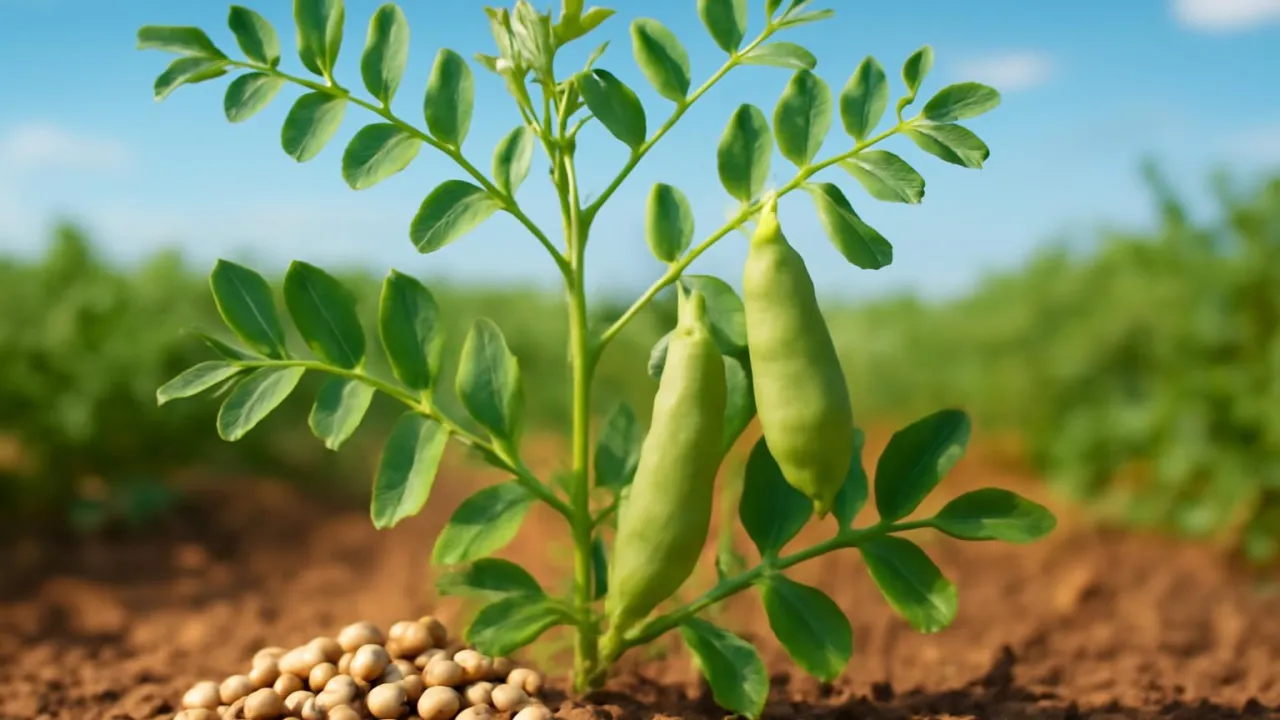
Lentils are small seeds that come in many colors like green, brown, and red. They grow inside pods that hang from short green plants. Each pod holds two or three lentils. The plants grow best in warm, sunny places with good soil.
2
Where Lentils Grow
Lentils originally grew in Southwest Asia and the Mediterranean. Farmers plant lentils in fields and wait for the pods to dry. When the pods turn brown and dry, farmers the seeds. Lentils are then cleaned and packed to sell.
3
Why Lentils Are Special
Lentils are a great source of and that help people stay healthy. They cook quickly and taste good in soups and salads. Lentils also help farmers because they add nutrients to the soil. This makes lentils important for food and farming.
1. Where do lentils grow before farmers pick them?
2. What makes lentils good food for people?
🤯 Mind-Blowing Fact • Grade 3
Lentils have been grown by humans for over 9,000 years, making them one of the oldest crops!
✨ Word Sparks (Grade 3 Glossary)
Tap 🔊 to hear
camouflage
Colors that help hide plants or animals
nitrogen
A nutrient in soil that helps plants grow
crop rotation
Planting different crops to keep soil healthy
🪝
Did you know lentils help plants and people in many amazing ways?
1
Lentil Plant and Seeds
Lentils grow on small bushy plants that reach about two feet tall. The seeds develop inside pods, which protect them as they grow. Lentils come in colors like green, brown, and red, helping them blend into their environment. This helps protect lentils from some predators in nature.
2
Growing Lentils and Their Habitat
Lentils thrive in warm climates with full sun and well-drained soil. They are often grown in dry regions because they need less water than many other crops. Lentils fix in the soil, which means they add nutrients to help other plants grow better. This adaptation makes lentils important in .
3
Lentils and People
Lentils are a rich source of protein and fiber, which help people stay healthy and strong. They cook faster than many other beans, making them easy to prepare. Lentils are often used in soups, stews, and salads around the world. Their quick cooking time helps save energy and water.
4
Lentils in Nature and Farming
Lentils play a role in food webs by feeding insects and animals that eat plants. Farmers grow lentils to improve soil health and provide nutritious food. The plant’s ability to fix reduces the need for chemical fertilizers. Lentils also help prevent soil erosion by covering the ground.
Lentils improve soil nitrogen by up to 50%, making fields more fertile naturally!
✨ Word Sparks (Grade 4 Glossary)
Tap 🔊 to hear
symbiosis
A helpful relationship between living things
erosion
Soil wearing away by wind or water
staple
A main food eaten often by many people
🪝
How do tiny lentils impact ecosystems and human farming worldwide?
1
Lentil Plant Adaptations
Lentils grow best in warm, dry climates where water is limited, which helps farmers in arid regions produce food. Their seeds develop inside pods that protect them from harsh weather and some predators, showing an important survival adaptation. The plant’s ability to fix nitrogen enriches the soil, reducing the need for chemical fertilizers and improving crop yields. This natural nutrient cycle benefits the entire ecosystem by supporting other plants.
2
Lentils in Food Webs and Farming
Lentils serve as food for many insects and small animals, making them a vital part of local food webs. Farmers grow lentils not only for human consumption but also to improve soil health through crop rotation practices. By adding nitrogen to the soil, lentils reduce soil and increase the productivity of future crops. This symbiotic relationship between lentils and the land supports sustainable agriculture worldwide.
3
Geographic Distribution and Human Use
Lentils originated in Southwest Asia and have spread to many parts of the world including the Mediterranean, India, and North America. They are a food in many cultures due to their high protein content and quick cooking time. Lentils are used in soups, stews, and salads, contributing to food security in diverse regions. Their cultivation has important economic and nutritional impacts globally.
4
Cause and Effect of Lentil Farming
When farmers plant lentils, the soil gains nitrogen, which leads to healthier crops in following seasons. This reduces the need for synthetic fertilizers, lowering farming costs and environmental harm. Lentil plants also help prevent soil by covering the ground and holding soil in place with their roots. These effects make lentils a key crop in sustainable farming systems.
1. How do lentils help reduce the need for fertilizers?
2. Why are lentils important in crop rotation?
🤯 Mind-Blowing Fact • Grade 5
Lentils fix about 50 kilograms of nitrogen per hectare each year, enriching soil naturally!
✨ Word Sparks (Grade 5 Glossary)
Tap 🔊 to hear
Fabaceae
The plant family that includes beans and peas
nitrogen fixation
Process where bacteria help plants get nitrogen
drought tolerance
Ability to survive with little water
🪝
What scientific secrets make lentils a vital crop for ecology and nutrition?
1
Scientific Classification and Origins
Lentils belong to the family and are scientifically named Lens culinaris. They originated in the Fertile Crescent region around 9,000 years ago, making them one of the earliest domesticated crops. This long cultivation history reflects their importance in human diets and agriculture. Lentils have diversified into many varieties adapted to different climates worldwide.
2
Physiological Mechanics of Lentil Plants
Lentil plants grow to about 12 to 24 inches tall with compound leaves and small flowers that develop into pods. Specialized root nodules house nitrogen-fixing bacteria, which convert atmospheric nitrogen into usable forms for the plant. This biological reduces the need for synthetic fertilizers and enhances soil fertility. The seeds inside pods contain high levels of protein, carbohydrates, and essential nutrients.
3
Conservation and Agricultural History
Lentils have been cultivated continuously for millennia, contributing to food security in many cultures. Modern breeding programs focus on improving yield, disease resistance, and . Conservation of lentil genetic diversity is important to maintain resilience against climate change. Sustainable farming practices using lentils support soil health and reduce environmental impacts.
4
Quantitative Comparisons and Uses
Lentils cook in 15 to 20 minutes, much faster than most beans that require over an hour. A single cup of cooked lentils provides about 18 grams of protein, making them an excellent plant-based protein source. Lentil plants fix approximately 50 kilograms of nitrogen per hectare annually, significantly enhancing soil fertility. These traits make lentils highly efficient and nutritious crops for global agriculture.
5
Ecological and Nutritional Impact
Lentils contribute to sustainable agriculture by improving soil nitrogen levels and reducing fertilizer needs. Their high protein and fiber content support human health, especially in vegetarian and vegan diets. Lentils also play a role in reducing greenhouse gas emissions by lowering the demand for synthetic fertilizers. Overall, lentils are a key crop linking ecological benefits with nutritional value.