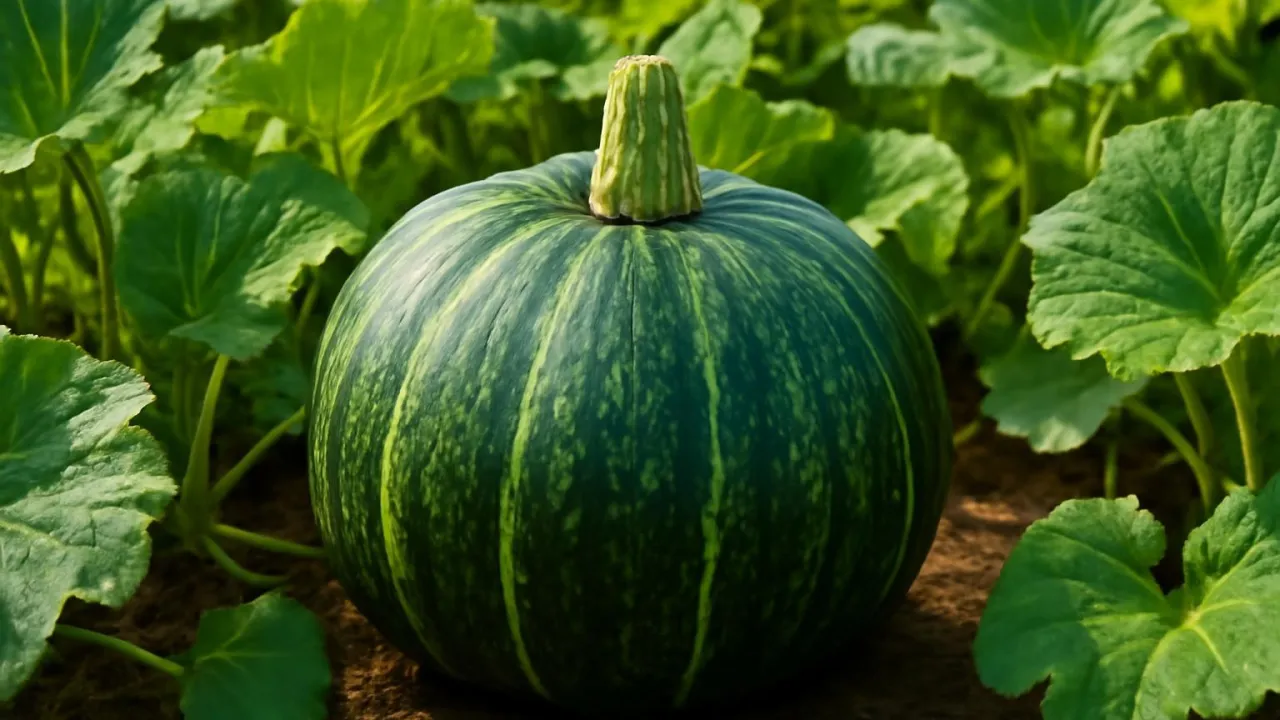
Kabocha squash is a winter squash that stores well for months after harvest!
✨ Word Sparks (Grade 2 Glossary)
Tap 🔊 to hear
harvest
When farmers pick plants to eat
vitamins
Good things in food that help you grow
moist
A little wet but not too much
🪝
Have you ever tasted a squash that is sweet like candy?
1
What Kabocha Looks Like
Kabocha squash has a round shape and dark green skin with light stripes. Its inside is bright orange and soft when cooked. The skin is hard and smooth, making it easy to hold. It grows on long vines in gardens.
2
Where It Grows and Grows
This squash grows best in warm places with lots of sunlight. Farmers plant kabocha in soil that stays but not too wet. The plant needs water to grow big and strong. It takes about 90 to 100 days to be ready to pick.
3
Why People Love Kabocha
Kabocha tastes sweet and creamy, like a mix of pumpkin and sweet potato. People cook it by roasting, boiling, or baking. It is healthy because it has and fiber. Kids enjoy eating it mashed or in soups.
1. How long does it take for kabocha to grow before picking?
2. What does kabocha taste like?
🤯 Mind-Blowing Fact • Grade 3
Kabocha squash’s thick skin helps it store for months without spoiling, unlike many other vegetables.
✨ Word Sparks (Grade 3 Glossary)
Tap 🔊 to hear
rind
The hard outside skin of a fruit or vegetable
pollinators
Animals that help plants make seeds by moving pollen
nutrients
Good stuff plants and animals need to grow strong
🪝
Did you know kabocha squash is called a 'winter squash' because it stores well?
1
Kabocha’s Appearance and Texture
Kabocha squash has a dark green with light stripes that help it blend in with leaves. Its thick skin protects the soft, bright orange flesh inside from pests and weather. The flesh is dense and creamy, making it perfect for cooking. This adaptation helps it survive until harvest.
2
Growing Conditions and Life Cycle
Kabocha grows on long vines that spread across the soil, absorbing and water. It thrives in warm climates with plenty of sunlight and well-drained soil. The plant flowers, then produces fruit that takes about three months to mature. Farmers harvest the squash before the first frost.
3
Role in Ecosystems and Human Use
Kabocha squash provides food for animals like squirrels and birds, which help spread its seeds. Humans use it as a nutritious vegetable rich in vitamins A and C, important for health. Its thick skin helps it store well during winter months, making it valuable in food systems. This squash also supports during flowering.
4
Interesting Facts About Kabocha
Kabocha is often confused with pumpkin but is sweeter and denser. It is native to East Asia but originally comes from the Americas. The name 'kabocha' comes from Japan, where it is a popular ingredient. Its sweet flavor makes it a favorite in soups and desserts.
Kabocha’s thick rind and dense flesh allow it to store safely for over six months in cool conditions.
✨ Word Sparks (Grade 4 Glossary)
Tap 🔊 to hear
beta-carotene
A nutrient that helps your eyes and skin stay healthy
pollinate
When insects help plants make seeds by moving pollen
ecosystem
A place where plants, animals, and people live together
🪝
How does kabocha squash’s thick skin help it survive cold winters?
1
Physical Traits and Adaptations
Kabocha squash has a tough, thick rind that protects its sweet flesh from damage caused by cold temperatures and pests. This protective layer allows it to remain fresh for months after harvest, unlike softer squashes that spoil quickly. Its dense flesh stores nutrients and water, helping it survive dry periods. These adaptations make it ideal for winter storage and long transport.
2
Growth and Geographic Range
Kabocha thrives in temperate to warm climates, especially in Japan, Korea, and parts of the United States. It requires full sun and well-drained soil to grow healthy vines and fruit. Farmers plant it in spring and harvest in late summer or fall before the first frost. The plant’s growth cycle depends on temperature and water availability, which affect fruit size and sweetness.
3
Ecosystem Roles and Human Impact
In , kabocha provides food for various animals, including insects and mammals that help disperse seeds and flowers. Humans cultivate kabocha for its nutritional value, rich in and fiber, supporting healthy diets. Agricultural practices that protect soil and water quality help maintain kabocha production. However, overuse of pesticides can harm beneficial insects vital for pollination.
4
Culinary and Cultural Importance
Kabocha is a staple in East Asian cuisine, used in soups, tempura, and desserts because of its sweet, creamy texture. It is often harvested in autumn festivals and stored for winter meals. This squash’s popularity has spread worldwide, influencing recipes and farming practices. Its ability to store well reduces food waste and supports food security during colder months.
1. Why is kabocha’s thick skin important in winter?
2. How do humans help kabocha grow well?
🤯 Mind-Blowing Fact • Grade 5
Kabocha squash can store fresh for over half a year, making it a vital winter food crop worldwide.
✨ Word Sparks (Grade 5 Glossary)
Tap 🔊 to hear
Cucurbita maxima
The scientific name for kabocha squash species
antioxidants
Good chemicals that help protect your body cells
crop rotation
Growing different plants on the same land to keep soil healthy
🪝
What scientific features make kabocha squash a valuable winter crop worldwide?
1
Taxonomy and Botanical Classification
Kabocha squash belongs to the species within the Cucurbitaceae family, known for diverse gourds and squashes. It is classified as a winter squash due to its hard rind and ability to store through cold months. Unlike summer squashes, kabocha’s fruit matures fully on the vine before harvest. Its genetic lineage traces back to native American squashes, later cultivated extensively in East Asia.
2
Physiological Adaptations for Storage
The thick, waxy rind of kabocha squash reduces water loss and protects against microbial decay, enabling storage for up to six months in cool, dry environments. Internally, its dense, starch-rich flesh contains high levels of beta-carotene and complex carbohydrates, providing energy and nutrients. These physiological traits allow kabocha to survive post-harvest stress and maintain quality during long transport and storage.
3
Cultural History and Agricultural Practices
Kabocha was introduced to Japan in the 16th century, where it became a culinary staple and important food source during winter. Traditional farming methods emphasize and organic soil enrichment to sustain healthy yields. Modern agriculture integrates pest management and irrigation to optimize growth. Kabocha’s popularity has increased globally, influencing breeding programs to enhance sweetness and disease resistance.
4
Nutritional Profile and Human Health Benefits
Rich in vitamins A and C, dietary fiber, and , kabocha supports immune function and eye health. Its low calorie and high nutrient density make it a valuable food for balanced diets. The beta-carotene content converts to vitamin A in the body, essential for skin and vision. Regular consumption may reduce risks of chronic diseases linked to oxidative stress.
5
Quantitative Comparisons and Environmental Impact
Kabocha typically weighs between 2 to 4 pounds (0.9 to 1.8 kilograms) and measures 4 to 7 inches (10 to 18 centimeters) in diameter. It stores up to six months at temperatures around 50°F (10°C) without spoilage. Compared to other winter squashes, kabocha has higher sugar content, contributing to its sweeter flavor. Sustainable farming practices reduce pesticide use, protecting pollinators and soil health.