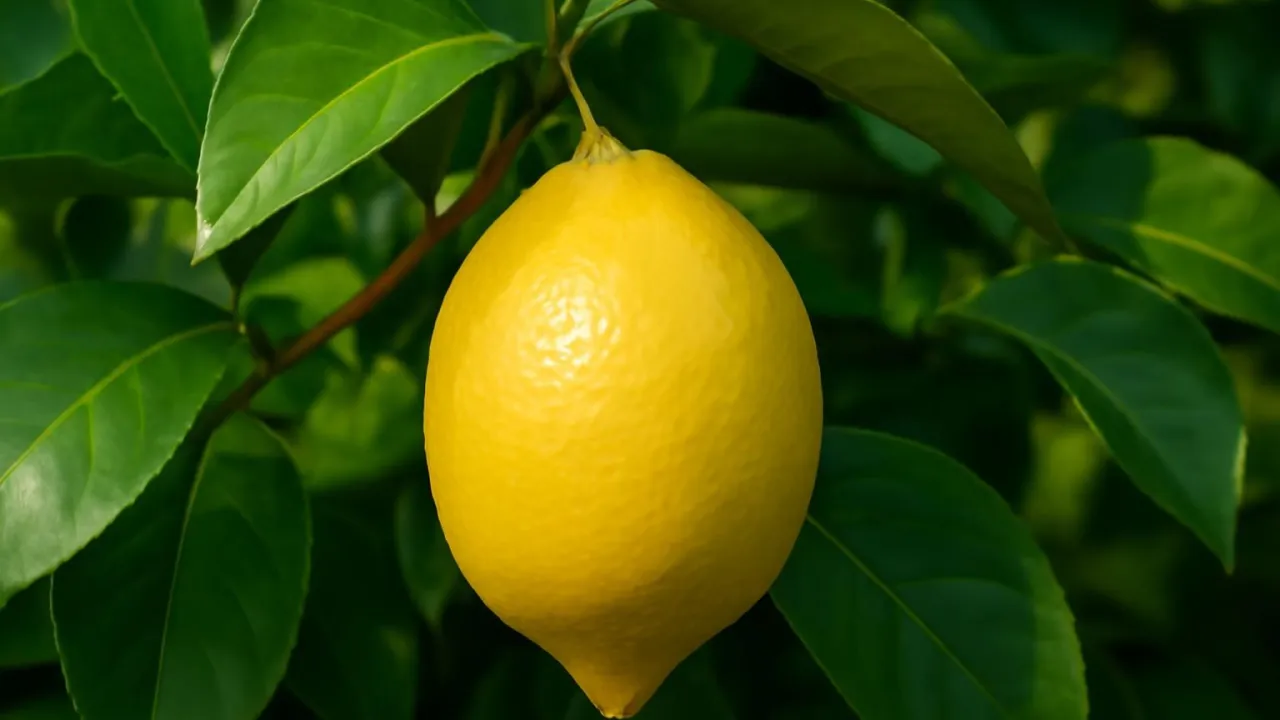
Eureka lemon trees can produce fruit every season of the year.
✨ Word Sparks (Grade 2 Glossary)
Tap 🔊 to hear
sunlight
Light that comes from the sun.
juicy
Full of liquid inside.
protects
Keeps something safe from harm.
🪝
Have you ever tasted a lemon that is very sour and fresh?
1
Bright Yellow Fruit
The Eureka lemon is bright yellow and has a bumpy skin texture. It grows on trees that need lots of and water. The fruit is and sour, making it perfect for drinks or cooking.
2
Where Lemons Grow
Eureka lemon trees grow best in warm places like California and the Mediterranean. These trees produce fruit all year long, which is special compared to other lemon types. The trees have dark green leaves and thorns on some branches.
3
A Special Lemon Feature
One cool thing about Eureka lemons is their thick skin that the inside. This skin helps keep the fruit fresh longer. People use the lemon’s juice for cooking, cleaning, and even in medicine.
Eureka lemons’ thick skin helps them survive dry, sunny environments longer than other lemons.
✨ Word Sparks (Grade 3 Glossary)
Tap 🔊 to hear
pollination
When bees help flowers make fruit.
nutrients
Food that plants need to grow.
adaptation
A change that helps living things survive.
🪝
Did you know Eureka lemons can grow fruit all year round?
1
Bright Fruit and Thick Skin
Eureka lemons have bright yellow skin that is thick and bumpy. This thick skin acts as a natural shield that protects the juicy fruit inside from damage. The lemon’s sour juice is full of vitamin C, which helps keep people healthy. This helps the fruit survive in sunny, dry climates.
2
Where They Live and Grow
These lemons grow best in warm climates like California and the Mediterranean region. The trees need full sun and regular watering to produce fruit. Their leaves are dark green and help the tree absorb sunlight for . The trees also have thorns to protect themselves from predators.
3
Life Cycle of Eureka Lemons
The lemon tree flowers in spring and summer, attracting pollinators like bees. helps the flowers turn into fruit over several months. The fruit grows from small green lemons to bright yellow when ripe. This cycle repeats many times a year because Eureka lemons produce fruit continuously.
4
Why Lemons Are Important
Lemons play an important role in their ecosystem by providing food for animals and humans. Their sour juice is used in cooking, cleaning, and medicine because it kills bacteria. The thick skin helps the fruit stay fresh longer, reducing waste. This fruit’s helps it survive and support many living things.
Eureka lemons produce fruit year-round, supporting both ecosystems and human agriculture.
✨ Word Sparks (Grade 4 Glossary)
Tap 🔊 to hear
ecosystem
A place where plants and animals live together.
pollinators
Animals like bees that help flowers make fruit.
irrigation
Giving water to plants on farms.
🪝
How does the Eureka lemon’s thick skin help it survive in hot, dry places?
1
Protective Skin and Bright Color
The Eureka lemon’s thick, bumpy skin acts as a protective barrier that reduces water loss in hot environments, helping the fruit stay juicy longer. Its bright yellow color attracts animals that help spread its seeds, aiding reproduction. This adaptation allows the lemon to thrive in Mediterranean and Californian climates where summers are dry and sunny.
2
Ecosystem Role and Food Web
Eureka lemon trees provide food and shelter for many animals, including birds and insects that live in their branches. The fruit is a source of vitamin C for humans and animals, and its sour juice can kill bacteria, helping prevent illness. These trees also contribute to local agriculture by supporting farmers who grow them commercially.
3
Growth and Reproduction Cycle
The lemon tree flowers attract such as bees and butterflies, which transfer pollen between flowers to help fruit develop. The fruit grows from green to bright yellow over several months, and trees can produce fruit multiple times a year due to their continuous flowering. This cycle ensures a steady supply of lemons for and people.
4
Geographic Distribution and Human Impact
Originally native to Asia, Eureka lemons are now widely grown in warm regions like California and the Mediterranean. Human farming practices have spread these trees worldwide, but overuse of water resources for can impact local . Sustainable farming helps protect lemon groves and the wildlife that depend on them.
2. What can happen if farmers use too much water for irrigation?
🤯 Mind-Blowing Fact • Grade 5
Eureka lemons have an oil-rich rind that protects them from pests and water loss in dry climates.
✨ Word Sparks (Grade 5 Glossary)
Tap 🔊 to hear
cultivar
A plant variety made by people for special traits.
cuticle
A waxy layer on leaves that stops water loss.
biodiversity
Many different kinds of plants and animals living together.
🪝
What makes the Eureka lemon scientifically special among citrus fruits?
1
Taxonomy and Scientific Background
The Eureka lemon, scientifically named Citrus limon 'Eureka,' belongs to the Rutaceae family, which includes many citrus fruits. It is a hybrid species developed from citron and sour orange ancestors. This was first propagated in California during the 19th century and is prized for its year-round fruit production and thick rind.
2
Physiological Adaptations and Mechanics
Eureka lemons have a thick, oil-rich rind that contains glands producing aromatic compounds, which protect the fruit from pests and reduce water loss. Their leaves have a waxy that minimizes evaporation, enabling survival in Mediterranean climates with hot, dry summers. The tree’s deep root system efficiently absorbs water from soil layers during droughts.
3
Conservation and Agricultural History
Eureka lemon cultivation expanded rapidly in California due to its reliable fruiting and adaptability. However, modern agriculture faces challenges such as citrus greening disease, which threatens production worldwide. Conservation efforts focus on disease-resistant rootstocks and sustainable irrigation to maintain healthy groves and protect .
4
Quantitative Comparisons and Growth Patterns
Eureka lemon trees typically reach heights between 10 and 20 feet (3 to 6 meters) and produce fruit measuring 2 to 4 inches (5 to 10 centimeters) in diameter. Their fruiting cycle allows multiple harvests annually, unlike other lemon varieties that produce seasonally. The rind’s thickness averages 3 to 5 millimeters, providing significant protection against environmental stresses.
5
Ecological and Economic Importance
Eureka lemons contribute to ecosystems by supporting pollinators such as bees and butterflies, which are essential for fruit set and . Economically, they are a major crop in California and Mediterranean regions, supplying fresh fruit and juice worldwide. Sustainable farming practices are increasingly important to balance production with environmental conservation.