Introduction
Without even thinking about it, you blink your eyes 15 to 20 times every single minute—more than 15,000 times a day! Each blink lasts only one-tenth of a second (100 to 150 milliseconds), acting like a high-speed windshield wiper for your eyes.
An important word to know in this book is (KOR-nee-uh). Cornea means: The transparent, dome-shaped front window of the eye that focuses incoming light and is nourished by tears. Learning about Cornea helps us understand how Why We Blink fits into The Human Body & Health.
Key Features
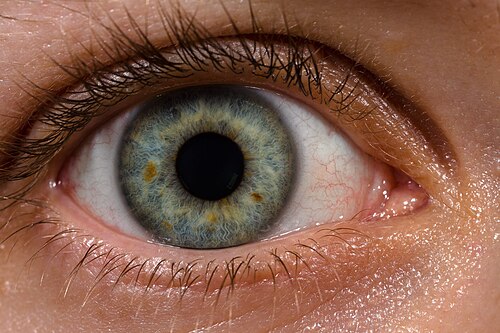
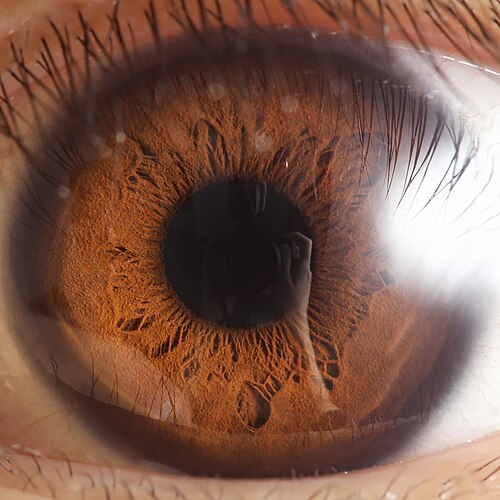
The front window of your eye is a crystal-clear dome called the . Unlike the rest of your body, the cornea has zero blood vessels inside it (because blood vessels would block your vision!). Behind the cornea sits the colorful iris and the dark pupil that lets light reach the retina.
Scientists and explorers also look closely at (teer film), which means: A microscopic three-layered coating of oil, water, and mucus spread across the eye with every blink. These special traits make Why We Blink easy to spot and study.
How It Works
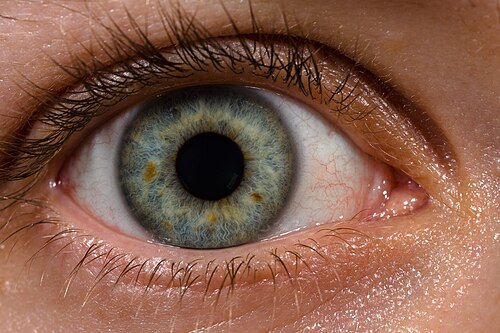
Every time your upper eyelid sweeps down, it spreads a fresh three-layered (oil, water, and mucus) smoothly across the . That tear film washes away dust specks, delivers dissolved oxygen and nutrients directly to the bloodless cornea, and contains a natural antibacterial enzyme called that kills germs!
Here is another helpful term: (LY-suh-zyme). It means: A natural protective enzyme found in human tears and saliva that destroys bacteria. Step by step, and Lysozyme work together in nature.
In Our World
Why doesn’t the world seem to go dark 15 times a minute when you blink? Because your brain briefly pauses visual processing and stitches the image before the blink to the image after the blink so you experience smooth, unbroken vision! When you stare at a computer screen or read intensely, your blink rate drops by half—which is why your eyes feel dry if you forget to take screen breaks.
Understanding how Why We Blink works in our world also involves (teer film): A microscopic three-layered coating of oil, water, and mucus spread across the eye with every blink. Even when surrounding conditions shift across seasons or regions, the interaction between , Tear Film, and helps sustain balance and resilience in the wider environment.
Amazing Facts
Amazing Fact #1: The muscles that control your eyelids and eyes are the fastest-moving muscles in the entire human body—which is where the phrase "in the blink of an eye" comes from!
Amazing Fact #2: Newborn babies blink only 1 or 2 times per minute, gradually increasing to 15–20 blinks per minute as they grow into teenagers and adults.
Amazing Fact #3: Your tears contain a natural germ-fighting enzyme called that dissolves the cell walls of bacteria landing on your eye.
Read & Review
Let's review what we discovered about Why We Blink! In this book, we explored how , , and connect to The Human Body & Health.
Key Question #1: Why does the clear at the front of your eye rely on blinking and for oxygen? Answer: Because the cornea has no blood vessels inside it so it can remain crystal-clear for vision. Without blood vessels, the cornea receives oxygen dissolved directly in the tear film spread by blinking.
Key Question #2: Why don’t you notice the world going black 15 times every minute when you blink? Answer: Your brain briefly suppresses the dark gap and stitches visual frames together seamlessly. The brain’s visual cortex masks the brief interruption of a blink to maintain continuous visual perception.