Introduction
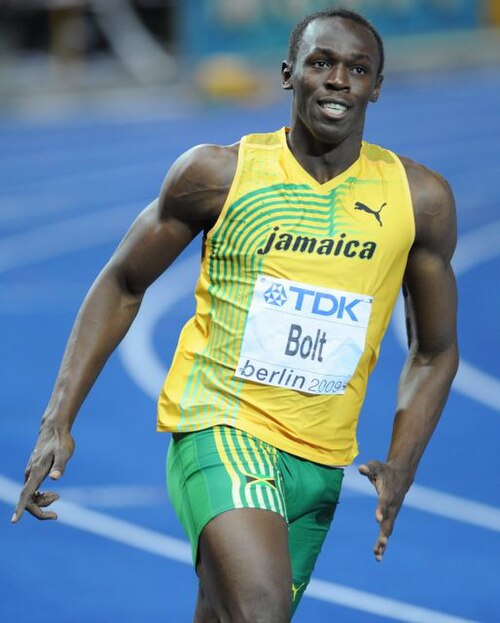
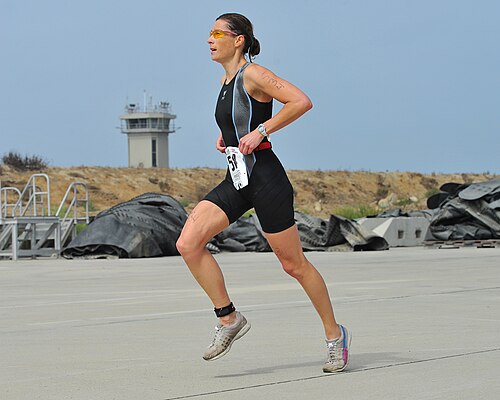
Every time a runner’s foot strikes the track, it hits the ground with a force up to 3 times the runner’s body weight! For centuries, athletes ran barefoot or in heavy leather shoes that soaked up sweat and wasted energy. Today, sports materials engineers design featherlight running shoes that act like high-tech energy springs on your feet!
A foundational concept in this investigation is (pronounced EN-er-jee rih-TURN), which refers to: The percentage of impact energy that a shoe’s foam midsole stores when squished and springs back upward as the runner pushes off. Every part of What Makes a Running Shoe Fast? within The Science of Sports builds upon this essential concept.
In Grade 3 Sports & Entertainment studies (The Science of Sports), understanding how , , and work together helps explain real-world patterns. As you read each chapter, notice how these key terms connect structure, process, and environment.
Key Features
Before the 1890s, shoes had hard leather soles. In the 1830s, Charles Goodyear discovered —heating natural tree-sap rubber with sulfur to make it bouncy, waterproof, and durable! By the late 1800s, rubber-soled canvas shoes became nicknamed "sneakers" because the soft rubber soles let kids walk so quietly they could "sneak" up on someone without noisy leather footsteps!
To analyze these defining traits accurately, specialists examine (TRAK-shuhn): Grip or useful friction between a shoe’s rubber outsole tread and the track surface that prevents slipping. Alongside (The percentage of impact energy that a shoe’s foam midsole stores when squished and springs back upward as the runner pushes off.), these specialized characteristics set What Makes a Running Shoe Fast? apart within The Science of Sports.
Field Observation & Evidence: Researchers studying What Makes a Running Shoe Fast? observe how physical form matches function in Sports & Entertainment. Each observable feature provides a clear advantage that supports stability, survival, or performance across changing conditions.
How It Works
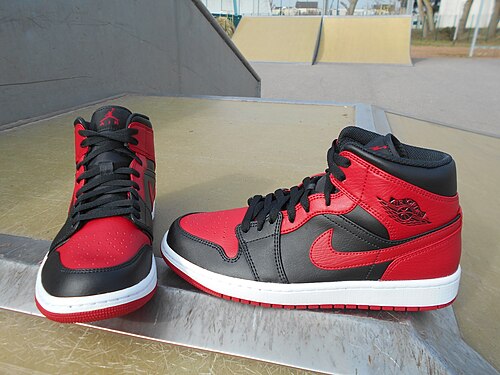
A modern running shoe is engineered in three high-tech layers: 1) The Upper is a breathable, ultra-light engineered knit mesh that locks the foot in place while letting heat escape; 2) The Outsole on the bottom uses grippy rubber treads (or metal spikes on track sprinting shoes) to maximize (helpful friction) so the foot never slips backward when pushing off; and 3) The Midsole cushion uses specialized nitrogen-infused foams (like PEBA foam) and curved carbon-fiber plates that compress on impact and snap back like a diving board—returning up to 85% of the runner’s energy!
This step-by-step process relies on (pronounced vul-kuh-nuh-ZAY-shuhn), defined as: Charles Goodyear’s chemical process of heating rubber with sulfur so it stays strong, elastic, and bouncy in both hot and cold weather. Each stage of the process prepares the way for the next phase to unfold.
Cause-and-Effect Balance: When conditions remain balanced, and interact inside the to keep the system running smoothly. If any single link in this sequence is disrupted, the entire pace of activity shifts.
In Our World
In 1971, University of Oregon track coach Bill Bowerman (co-founder of Nike) famously poured liquid urethane rubber into his wife’s kitchen waffle iron to invent the "Waffle Trainer" sole—creating lightweight rubber studs that gripped tracks and trails without heavy metal spikes!
Understanding how What Makes a Running Shoe Fast? functions in real environments also involves (TRAK-shuhn): Grip or useful friction between a shoe’s rubber outsole tread and the track surface that prevents slipping. Even when surrounding conditions shift across seasons or regions, the interaction between , Traction, and helps sustain balance and resilience in the wider environment.
Global & Practical Significance: High-rebound midsole foams store mechanical energy on landing and return up to 85% on toe-off. Furthermore, Quiet rubber soles contrasted with noisy wooden and leather soles, inspiring the name "sneakers."
Amazing Facts
1. Remarkable Scale & Numbers: Rubber-soled athletic shoes got the name "sneakers" in the late 1800s because rubber soles were completely silent compared to loud, clomping hard-leather boots! This discovery highlights why is central to understanding What Makes a Running Shoe Fast?.
2. Extraordinary Adaptation & Design: Track coach Bill Bowerman invented the famous waffle-pattern running sole in 1971 by pouring liquid rubber straight into his family’s breakfast waffle iron! Specialized conditions involving make these adaptations possible.
3. Surprising Scientific & Historical Record: Modern marathon "super shoes" weigh less than 180 grams (6 ounces—lighter than a hamster!) and use bouncy PEBA foam that returns 85% of impact energy with every stride. Over time, processes linked to leave a lasting mark across The Science of Sports.
Read & Review
Chapter Synthesis: Throughout this investigation of What Makes a Running Shoe Fast? in Sports & Entertainment (The Science of Sports), we examined its core foundations, defining traits, step-by-step mechanisms, and real-world connections using key terms like , , and .
Academic Vocabulary Review: • (EN-er-jee rih-TURN): The percentage of impact energy that a shoe’s foam midsole stores when squished and springs back upward as the runner pushes off. • (TRAK-shuhn): Grip or useful friction between a shoe’s rubber outsole tread and the track surface that prevents slipping. • (vul-kuh-nuh-ZAY-shuhn): Charles Goodyear’s chemical process of heating rubber with sulfur so it stays strong, elastic, and bouncy in both hot and cold weather.
Critical Thinking Check: (1) How does the bouncy foam midsole in a modern running shoe help a runner move faster with less fatigue? — It absorbs shock when the foot lands and springs back () like a mini trampoline on push-off. (2) Why were rubber-soled athletic shoes first nicknamed "sneakers" in the late 1800s? — Because soft rubber soles allowed people to walk quietly without the loud clatter of hard leather heels.