Introduction
Have you ever looked up on a clear night and spotted a bright streak of light zip across the sky in a split second? People call it a "shooting star," but it isn’t a star at all—it is a tiny piece of space rock or comet dust burning up high in Earth’s atmosphere!
A foundational concept in this investigation is (pronounced MEE-tee-uh-royd), which refers to: A small fragment of asteroid rock or comet dust traveling through outer space. Every part of What Is a Shooting Star? within Space & Astronomy builds upon this essential concept.
In Grade 3 Science & Technology studies (Space & Astronomy), understanding how , , and work together helps explain real-world patterns. As you read each chapter, notice how these key terms connect structure, process, and environment.
Key Features
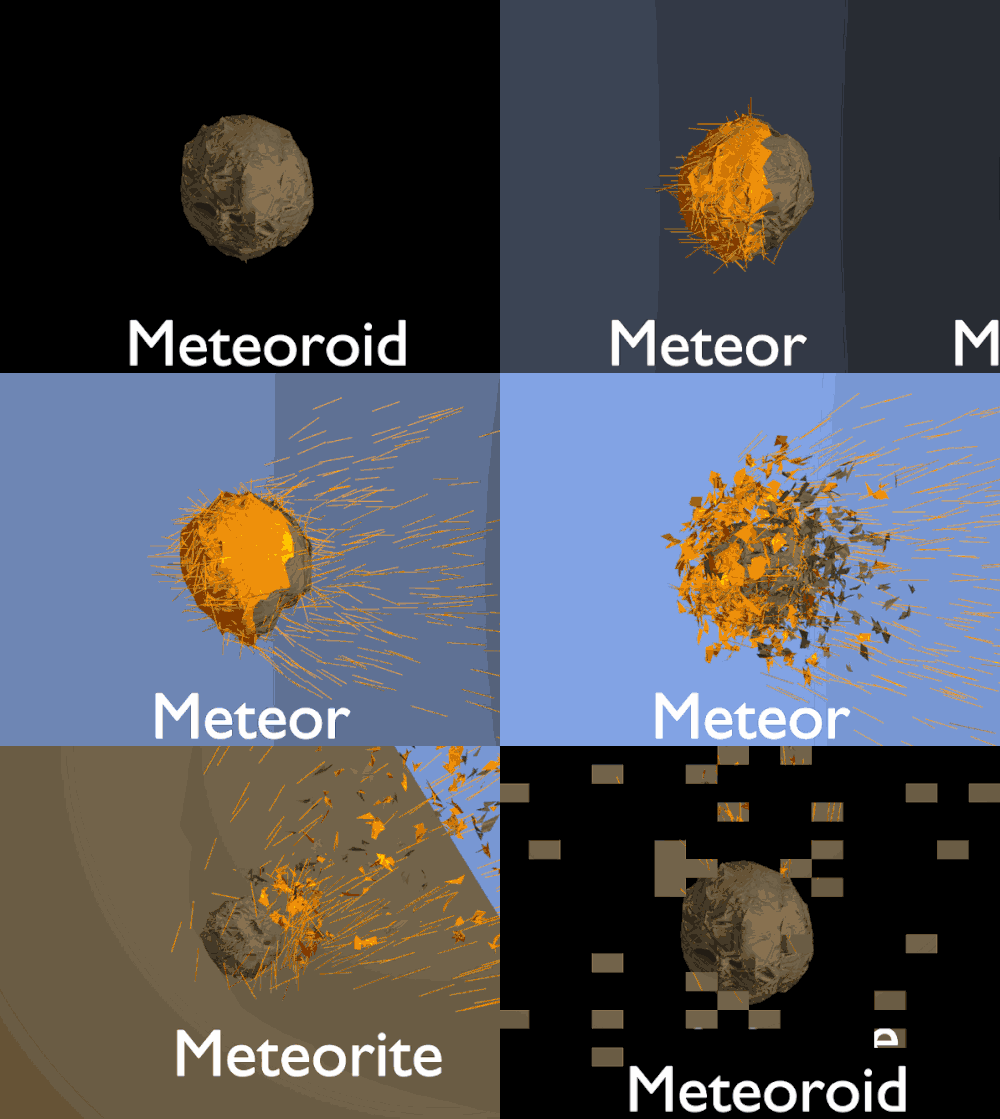
Astronomers use three different words depending on where the space rock is located: 1) While floating in outer space, it is a ; 2) When it enters Earth’s atmosphere and glows as a streak of light, it is a ; 3) If a piece survives the fall and lands on the ground, it is a !
To analyze these defining traits accurately, specialists examine (MEE-tee-er): The bright streak of light ("shooting star") produced when a vaporizes in Earth’s atmosphere. Alongside Meteoroid (A small fragment of asteroid rock or comet dust traveling through outer space.), these specialized characteristics set What Is a Shooting Star? apart within Space & Astronomy.
Field Observation & Evidence: Researchers studying What Is a Shooting Star? observe how physical form matches function in Science & Technology. Each observable feature provides a clear advantage that supports stability, survival, or performance across changing conditions.
How It Works
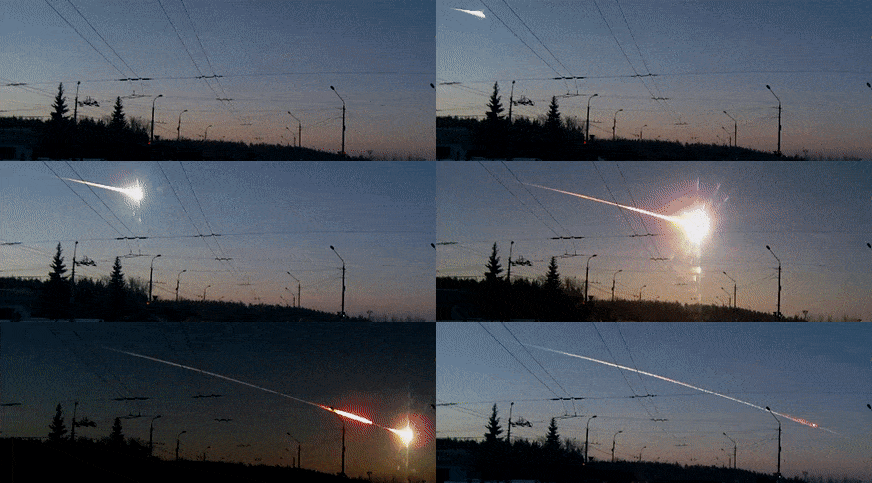
Most shooting stars are no bigger than a grain of sand or a pea! How can something so tiny shine so brightly? It slams into Earth’s upper atmosphere (about 80 to 100 kilometers up) at tremendous speeds of 40,000 to 250,000 km/h (25,000 to 160,000 mph). Ram pressure compresses the air in front of the grain, heating it to over 1,600°C (3,000°F) until it vaporizes in a glowing flash.
This step-by-step process relies on (pronounced MEE-tee-uh-ryte), defined as: A solid piece of space rock or iron that survives its fiery plunge through the atmosphere and lands on Earth. Each stage of the process prepares the way for the next phase to unfold.
Cause-and-Effect Balance: When conditions remain balanced, and interact inside the to keep the system running smoothly. If any single link in this sequence is disrupted, the entire pace of activity shifts.
In Our World
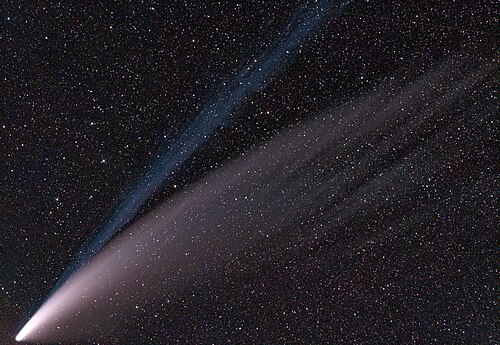
Several times a year—such as the Perseids in August and the Geminids in December—Earth’s orbit crosses a trail of dusty debris left behind by an icy comet, creating a spectacular shower with dozens of shooting stars every hour!
Understanding how What Is a Shooting Star? functions in real environments also involves (MEE-tee-er): The bright streak of light ("shooting star") produced when a vaporizes in Earth’s atmosphere. Even when surrounding conditions shift across seasons or regions, the interaction between Meteoroid, Meteor, and helps sustain balance and resilience in the wider environment.
Global & Practical Significance: Meteors are tiny meteoroids glowing from extreme atmospheric compression and heat. Furthermore, Meteorites are rocks from space that reach Earth’s surface.
Amazing Facts
1. Remarkable Scale & Numbers: An easy memory rhyme: "A is in the void, a is what you saw, and a is on the site!" This discovery highlights why Meteoroid is central to understanding What Is a Shooting Star?.
2. Extraordinary Adaptation & Design: Most shooting stars you see at night are actually the size of a grain of sand or a pebble! Specialized conditions involving make these adaptations possible.
3. Surprising Scientific & Historical Record: When a rocky is the size of a basketball or larger, it flares brighter than the planet Venus and is called a "fireball" or "bolide." Over time, processes linked to leave a lasting mark across Space & Astronomy.
Read & Review
Chapter Synthesis: Throughout this investigation of What Is a Shooting Star? in Science & Technology (Space & Astronomy), we examined its core foundations, defining traits, step-by-step mechanisms, and real-world connections using key terms like , , and .
Academic Vocabulary Review: • (MEE-tee-uh-royd): A small fragment of asteroid rock or comet dust traveling through outer space. • (MEE-tee-er): The bright streak of light ("shooting star") produced when a meteoroid vaporizes in Earth’s atmosphere. • (MEE-tee-uh-ryte): A solid piece of space rock or iron that survives its fiery plunge through the atmosphere and lands on Earth.
Critical Thinking Check: (1) What is a "shooting star" () actually made of? — A pebble- or sand-sized piece of space rock or comet dust vaporizing in Earth’s atmosphere. (2) What do scientists call a space rock that survives its trip through the sky and lands on the ground? — A .