Introduction
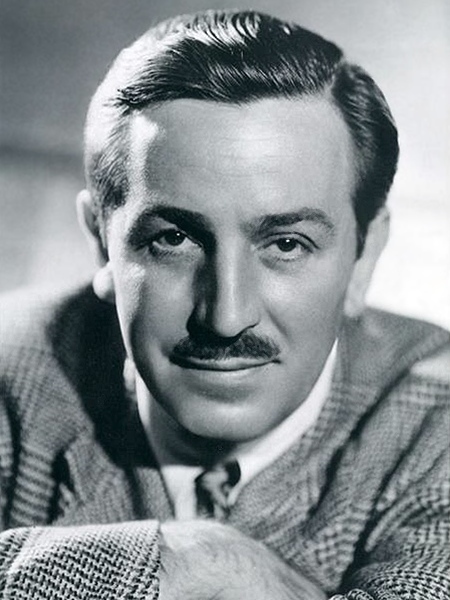
With a sketchpad, boundless imagination, and a cheerful cartoon mouse named Mickey, Walter Elias Disney (1901–1966) transformed from short silent novelties into a beloved art form of full-length musical films and invented the modern family theme park!
A foundational concept in this investigation is (pronounced an-uh-MAY-shuhn), which refers to: The art of photographing a sequence of 24 slightly different drawings (frames) per second so characters appear to move smoothly. Every part of Walt Disney within Artists & Storytellers builds upon this essential concept.
In Grade 3 Famous People (Movers & Shakers) studies (Artists & Storytellers), understanding how , , and work together helps explain real-world patterns. As you read each chapter, notice how these key terms connect structure, process, and environment.
Key Features
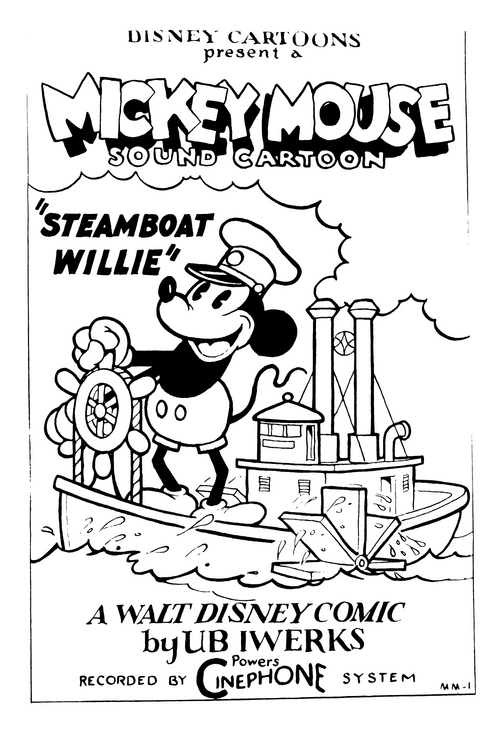
Raised on a farm in Marceline, Missouri, and in Kansas City, young Walt loved drawing farm animals and trains. After early setbacks—including his first tiny studio in Kansas City going bankrupt and losing the rights to his early character Oswald the Lucky Rabbit—Walt refused to give up. On a train ride back to California in 1928, he sketched a spunky new mouse whom his wife Lillian named Mickey Mouse!
To analyze these defining traits accurately, specialists examine (STOR-ee-bord): A wall of pinned comic-strip sketches invented at the Disney studio to plan out every scene of a movie before filming. Alongside (The art of photographing a sequence of 24 slightly different drawings (frames) per second so characters appear to move smoothly.), these specialized characteristics set Walt Disney apart within Artists & Storytellers.
Field Observation & Evidence: Researchers studying Walt Disney observe how physical form matches function in Famous People (Movers & Shakers). Each observable feature provides a clear advantage that supports stability, survival, or performance across changing conditions.
How It Works
On November 18, 1928, Disney released Steamboat Willie—the first major cartoon with fully synchronized sound, music, and sound effects (with Walt himself providing Mickey’s high-pitched voice!). To make look lifelike and three-dimensional, Walt’s engineers invented the , which stacked hand-painted glass layers at different distances so the camera could move through deep forests and starry skies.
This step-by-step process relies on (pronounced MUL-tee-playn KAM-er-uh), defined as: A vertical camera tower invented at Disney that filmed through multiple layers of glass artwork to create realistic depth. Each stage of the process prepares the way for the next phase to unfold.
Cause-and-Effect Balance: When conditions remain balanced, and interact inside the to keep the system running smoothly. If any single link in this sequence is disrupted, the entire pace of activity shifts.
In Our World
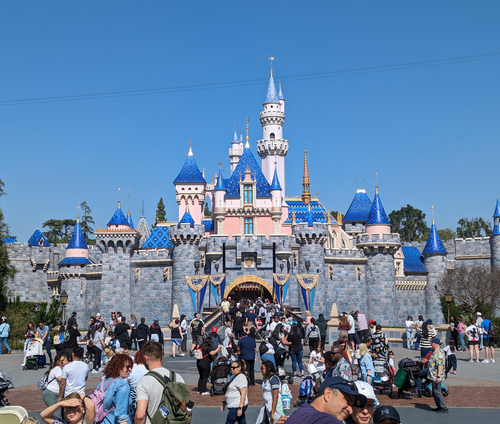
In 1937, when critics called his idea "Disney’s Folly" and insisted nobody would sit through a feature-length cartoon, Walt released Snow White and the Seven Dwarfs—requiring over 250,000 hand-painted cels—which became a worldwide triumph! In 1955, wishing for a clean, imaginative park where parents and children could have fun together, he opened Disneyland in Anaheim, California.
Understanding how Walt Disney functions in real environments also involves (STOR-ee-bord): A wall of pinned comic-strip sketches invented at the Disney studio to plan out every scene of a movie before filming. Even when surrounding conditions shift across seasons or regions, the interaction between , Storyboard, and helps sustain balance and resilience in the wider environment.
Global & Practical Significance: Steamboat Willie synchronized every whistle, musical beat, and movement on screen with a recorded soundtrack. Furthermore, Snow White and the Seven Dwarfs (1937) proved that feature-length could move audiences to laughter and tears.
Amazing Facts
1. Remarkable Scale & Numbers: Walt Disney holds the all-time Academy Awards record, winning 22 competitive Oscars and 4 honorary Oscars (including a special Oscar for Snow White with one full-sized statuette and seven miniature ones)! This discovery highlights why is central to understanding Walt Disney.
2. Extraordinary Adaptation & Design: Walt originally wanted to name his famous mouse "Mortimer Mouse," until his wife Lillian convinced him that "Mickey Mouse" sounded much friendlier! Specialized conditions involving make these adaptations possible.
3. Surprising Scientific & Historical Record: For the first 19 years of Mickey Mouse cartoons (starting with Steamboat Willie in 1928), Walt Disney personally recorded Mickey’s voice in the studio! Over time, processes linked to leave a lasting mark across Artists & Storytellers.
Read & Review
Chapter Synthesis: Throughout this investigation of Walt Disney in Famous People (Movers & Shakers) (Artists & Storytellers), we examined its core foundations, defining traits, step-by-step mechanisms, and real-world connections using key terms like , , and .
Academic Vocabulary Review: • (an-uh-MAY-shuhn): The art of photographing a sequence of 24 slightly different drawings (frames) per second so characters appear to move smoothly. • (STOR-ee-bord): A wall of pinned comic-strip sketches invented at the Disney studio to plan out every scene of a movie before filming. • (MUL-tee-playn KAM-er-uh): A vertical camera tower invented at Disney that filmed through multiple layers of glass artwork to create realistic depth.
Critical Thinking Check: (1) What made Mickey Mouse’s 1928 cartoon Steamboat Willie a breakthrough in film history? — It was the first widely popular animated cartoon with fully synchronized sound, music, and voice effects. (2) What was the very first full-length cel-animated feature film in American cinema, released by Walt Disney in 1937? — Snow White and the Seven Dwarfs.