Introduction
Established on November 10, 1775, by resolution of the Second Continental Congress in Philadelphia, the United States Marine Corps serves as America's rapid-response and force in readiness, united by the Latin motto "" ("Always Faithful").
A foundational concept in this investigation is (pronounced SEM-per fih-DEH-lis), which refers to: The Latin motto of the United States Marine Corps, meaning "Always Faithful." Every part of U.S. Marine Corps: Force in Readiness (Nov 10, 1775) within 🛡️ All 6 Branches of the U.S. Armed Services (Insignia, Seals & History) builds upon this essential concept.
In Grade 5 advanced nonfiction inquiry across United States Armed Forces (🛡️ All 6 Branches of the U.S. Armed Services (Insignia, Seals & History)), synthesizing primary evidence around , , and reveals how complex systems operate and adapt over time.
Key Features
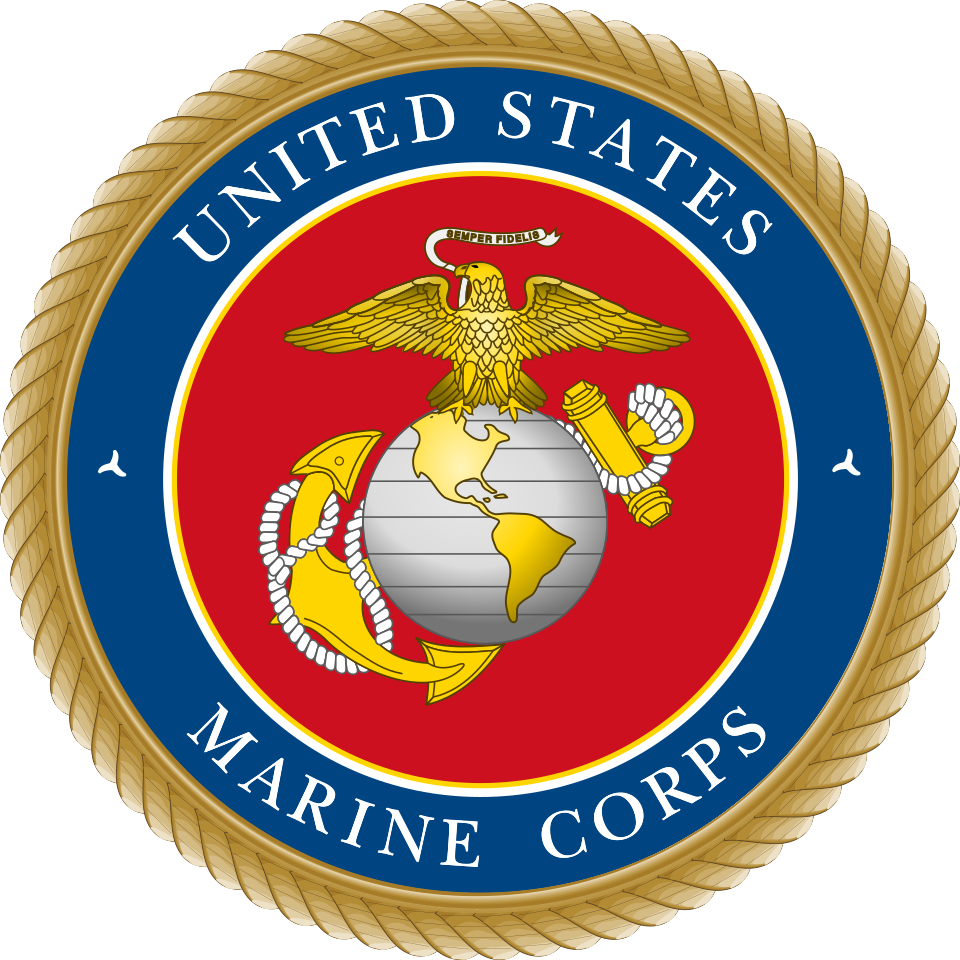
Adopted in 1868, the iconic Eagle, Globe, and Anchor (EGA) emblem embodies the Corps' identity: the crested eagle represents the United States, the Western Hemisphere globe signifies global service from "the Halls of Montezuma to the Shores of Tripoli," and the fouled anchor honors the Marine Corps' deep maritime partnership within the Department of the Navy.
To analyze these defining traits accurately, specialists examine (am-FIB-ee-us): Capable of operating seamlessly across both ocean waters and land environments. Alongside (The Latin motto of the United States Marine Corps, meaning "Always Faithful."), these specialized characteristics set U.S. Marine Corps: Force in Readiness (Nov 10, 1775) apart within 🛡️ All 6 Branches of the U.S. Armed Services (Insignia, Seals & History).
Field Observation & Evidence: Researchers studying U.S. Marine Corps: Force in Readiness (Nov 10, 1775) observe how physical form matches function in United States Armed Forces. Each observable feature provides a clear advantage that supports stability, survival, or performance across changing conditions.
How It Works
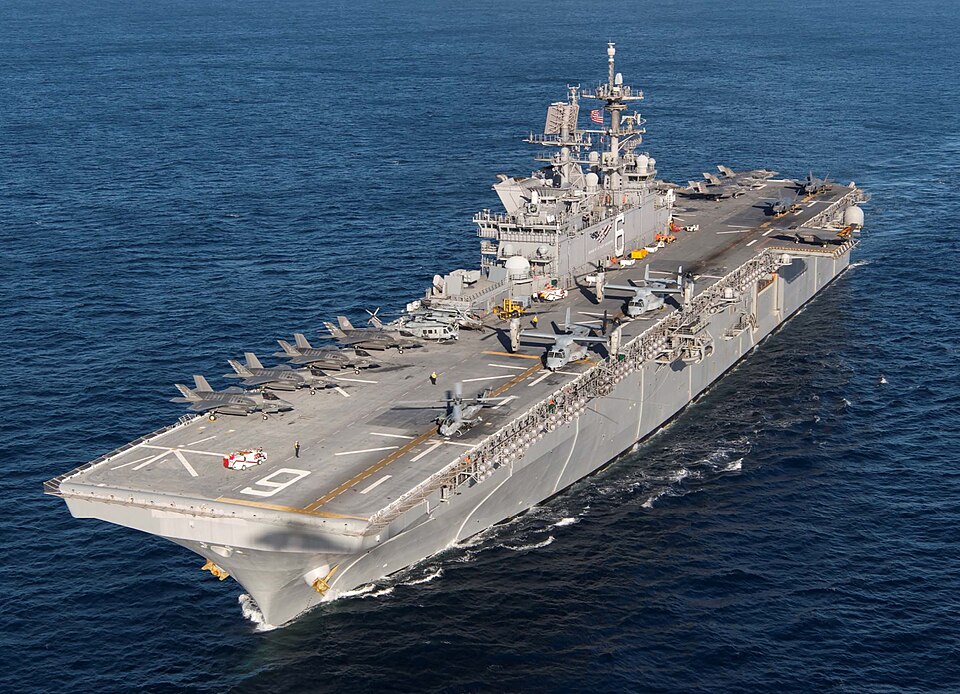
Operating as a Marine Air-Ground Task Force (MAGTF), Marines integrate ground personnel, rotary/tiltrotor aviation (such as the MV-22B Osprey and CH-53K King Stallion), and logistics aboard U.S. Navy assault ships. This self-sustaining design allows Marines to arrive within hours of natural disasters, conduct noncombatant evacuations, and protect U.S. embassies worldwide.
This step-by-step process relies on (pronounced ek-spuh-DISH-uh-ner-ee), defined as: Trained and equipped to deploy rapidly anywhere in the world on short notice without needing pre-built bases. Each stage of the process prepares the way for the next phase to unfold.
Cause-and-Effect Balance: When conditions remain balanced, and interact inside the to keep the system running smoothly. If any single link in this sequence is disrupted, the entire pace of activity shifts.
In Our World
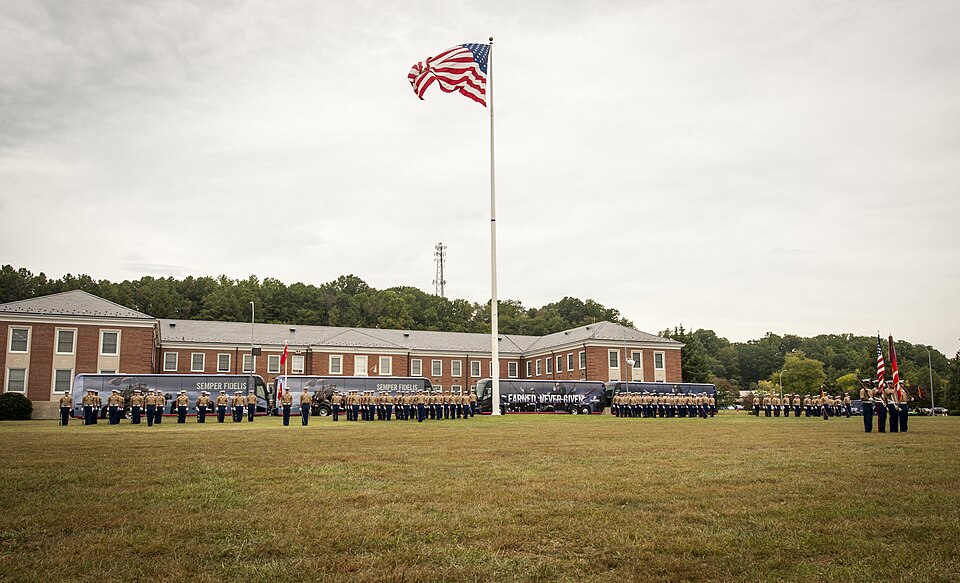
Prince William and Stafford Counties in Virginia host Marine Corps Base Quantico—universally known as the "Crossroads of the Marine Corps"—where all Marine officers train at Officer Candidates School and The Basic School, alongside the iconic National Museum of the Marine Corps in Triangle, Virginia, and Fleet Marine Force Atlantic in Norfolk.
Understanding how U.S. Marine Corps: Force in Readiness (Nov 10, 1775) functions in real environments also involves (am-FIB-ee-us): Capable of operating seamlessly across both ocean waters and land environments. Even when surrounding conditions shift across seasons or regions, the interaction between , Amphibious, and Expeditionary helps sustain balance and resilience in the wider environment.
Global & Practical Significance: "" is Latin for "Always Faithful," adopted as the official Marine Corps motto in 1883. Furthermore, The Eagle, Globe, and Anchor represents the nation, worldwide service, and naval traditions.
Amazing Facts
1. Remarkable Scale & Numbers: The official Marine Corps emblem—the Eagle, Globe, and Anchor—features a fouled anchor (an anchor with a rope wrapped around it) showing its historic partnership with the U.S. Navy. This discovery highlights why is central to understanding U.S. Marine Corps: Force in Readiness (Nov 10, 1775).
2. Extraordinary Adaptation & Design: The roof of the National Museum of the Marine Corps near Quantico, Virginia, is architecturally modeled after the famous World War II flag-raising on Mount Suribachi, Iwo Jima! Specialized conditions involving make these adaptations possible.
3. Surprising Scientific & Historical Record: Founded in 1798 by Act of Congress, the United States Marine Band was nicknamed "The President's Own" by Virginia-born President Thomas Jefferson in 1801. Over time, processes linked to leave a lasting mark across 🛡️ All 6 Branches of the U.S. Armed Services (Insignia, Seals & History).
Read & Review
Chapter Synthesis: Throughout this investigation of U.S. Marine Corps: Force in Readiness (Nov 10, 1775) in United States Armed Forces (🛡️ All 6 Branches of the U.S. Armed Services (Insignia, Seals & History)), we examined its core foundations, defining traits, step-by-step mechanisms, and real-world connections using key terms like , , and Expeditionary.
Academic Vocabulary Review: • (SEM-per fih-DEH-lis): The Latin motto of the United States Marine Corps, meaning "Always Faithful." • (am-FIB-ee-us): Capable of operating seamlessly across both ocean waters and land environments. • (ek-spuh-DISH-uh-ner-ee): Trained and equipped to deploy rapidly anywhere in the world on short notice without needing pre-built bases.
Critical Thinking Check: (1) What does the U.S. Marine Corps motto "" mean in English? — "Always Faithful". (2) What three symbols make up the official insignia of the U.S. Marine Corps? — The Eagle, Globe, and Anchor.