Introduction
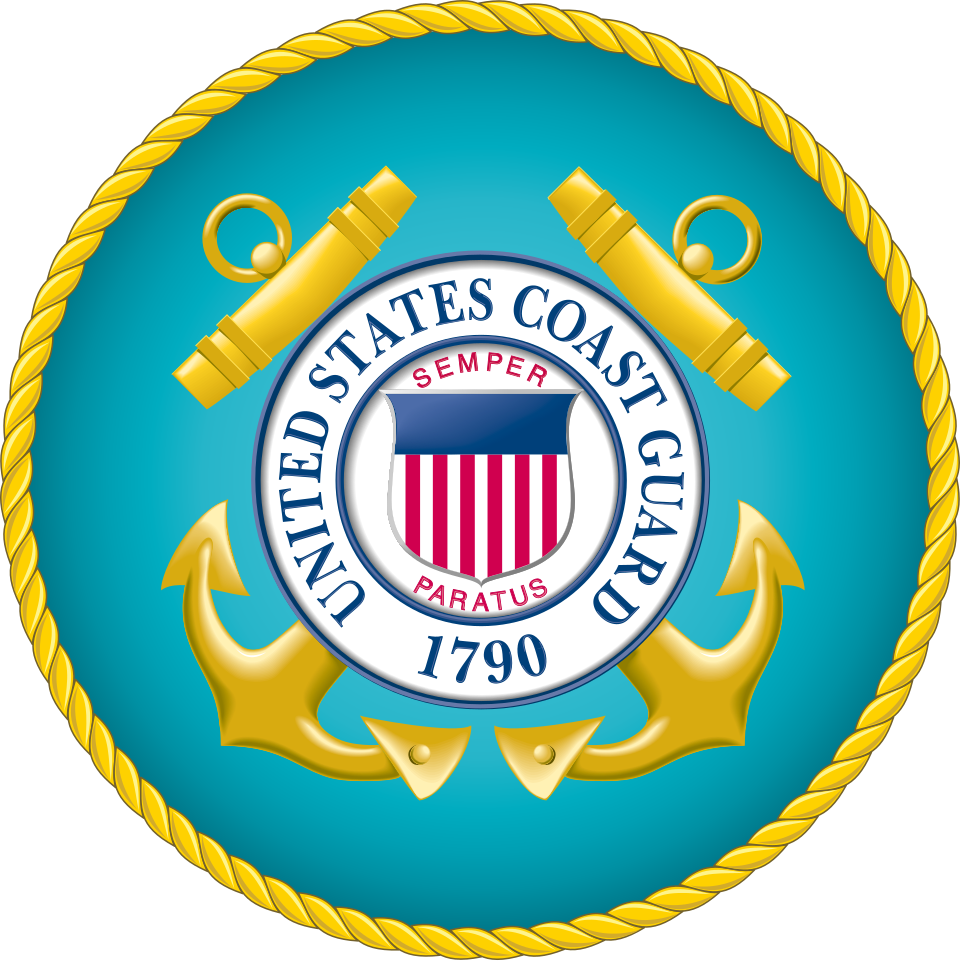
Founded on August 4, 1790, when President George Washington signed the Tariff Act authorizing Alexander Hamilton's ten Revenue Marine cutters, the United States Coast Guard is America's oldest continuous seagoing service, guided by the motto "" ("Always Ready").
A foundational concept in this investigation is (pronounced SEM-per puh-RAH-tus), which refers to: The Latin motto of the United States Coast Guard, meaning "Always Ready." Every part of U.S. Coast Guard: Search & Rescue & Maritime Safety (Aug 4, 1790) within 🛡️ All 6 Branches of the U.S. Armed Services (Insignia, Seals & History) builds upon this essential concept.
In Grade 3 United States Armed Forces studies (🛡️ All 6 Branches of the U.S. Armed Services (Insignia, Seals & History)), understanding how , , and work together helps explain real-world patterns. As you read each chapter, notice how these key terms connect structure, process, and environment.
Key Features
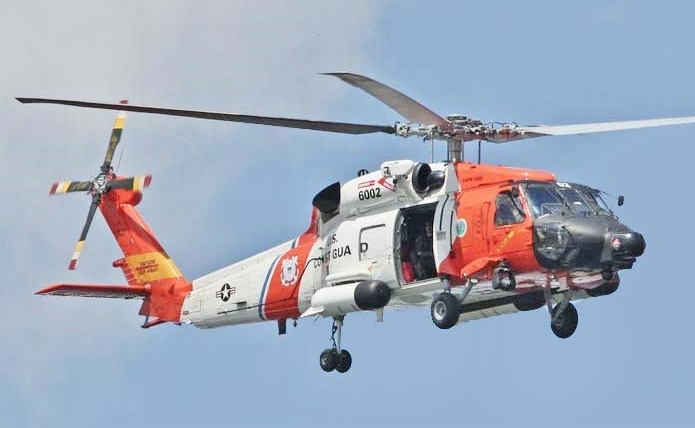
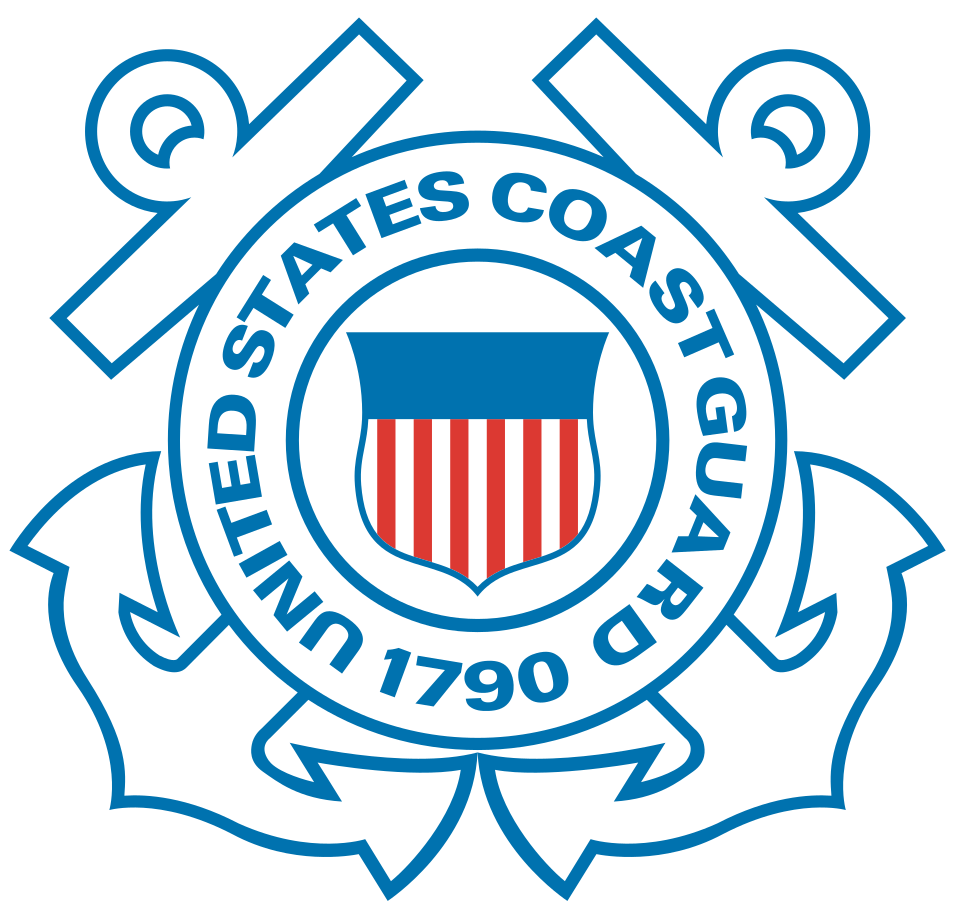
The official Coast Guard Emblem features two crossed white foul anchors behind the Coat of Arms of the United States (13 vertical stripes beneath a blue chief) encircled by the words "UNITED STATES COAST GUARD • 1790." All Coast Guard cutters and aircraft carry the high-visibility diagonal red, white, and blue racing stripe adopted under President John F. Kennedy in 1964.
To analyze these defining traits accurately, specialists examine (KUT-er): Any commissioned U.S. Coast Guard vessel 65 feet or greater in length with permanent accommodations for its crew. Alongside (The Latin motto of the United States Coast Guard, meaning "Always Ready."), these specialized characteristics set U.S. Coast Guard: Search & Rescue & Maritime Safety (Aug 4, 1790) apart within 🛡️ All 6 Branches of the U.S. Armed Services (Insignia, Seals & History).
Field Observation & Evidence: Researchers studying U.S. Coast Guard: Search & Rescue & Maritime Safety (Aug 4, 1790) observe how physical form matches function in United States Armed Forces. Each observable feature provides a clear advantage that supports stability, survival, or performance across changing conditions.
How It Works
Uniquely operating under the Department of Homeland Security in peacetime (and transferable to the Department of the Navy when directed by the President or Congress), the Coast Guard executes 11 statutory missions: maritime search and rescue (using MH-60T Jayhawk and MH-65 Dolphin helicopters and self-righting motor lifeboats), , marine environmental protection, polar icebreaking, and port security.
This step-by-step process relies on (pronounced aydz too nav-ih-GAY-shun), defined as: Lighthouses, lighted buoys, channel markers, and radio beacons maintained by the Coast Guard to keep ships off shoals. Each stage of the process prepares the way for the next phase to unfold.
Cause-and-Effect Balance: When conditions remain balanced, and interact inside the to keep the system running smoothly. If any single link in this sequence is disrupted, the entire pace of activity shifts.
In Our World
Virginia is one of the Coast Guard's premier command centers: Portsmouth, Virginia, hosts the Coast Guard Atlantic Area Command, the Fifth Coast Guard District, and Base Portsmouth; Training Center Yorktown trains machinery technicians, boatswain's mates, and marine safety inspectors; and Alexandria hosts the USCG Navigation Center.
Understanding how U.S. Coast Guard: Search & Rescue & Maritime Safety (Aug 4, 1790) functions in real environments also involves (KUT-er): Any commissioned U.S. Coast Guard vessel 65 feet or greater in length with permanent accommodations for its crew. Even when surrounding conditions shift across seasons or regions, the interaction between , Cutter, and helps sustain balance and resilience in the wider environment.
Global & Practical Significance: Founded on August 4, 1790, the Coast Guard serves under the motto "" ("Always Ready"). Furthermore, Crossed anchors and the 13-stripe shield represent maritime rescue and national law enforcement since 1790.
Amazing Facts
1. Remarkable Scale & Numbers: On an average single day, the U.S. Coast Guard conducts 45 search-and-rescue cases and saves 10 to 12 lives across American waters! This discovery highlights why is central to understanding U.S. Coast Guard: Search & Rescue & Maritime Safety (Aug 4, 1790).
2. Extraordinary Adaptation & Design: Coast Guard 47-foot Motor Lifeboats are engineered to be "self-righting"—if a giant 30-foot storm wave flips the boat completely upside down, it rolls itself back upright in under 10 seconds! Specialized conditions involving make these adaptations possible.
3. Surprising Scientific & Historical Record: Between 1790 and 1798, before the Continental Navy was re-established, the Coast Guard's Revenue Service was the ONLY armed maritime force of the young United States. Over time, processes linked to leave a lasting mark across 🛡️ All 6 Branches of the U.S. Armed Services (Insignia, Seals & History).
Read & Review
Chapter Synthesis: Throughout this investigation of U.S. Coast Guard: Search & Rescue & Maritime Safety (Aug 4, 1790) in United States Armed Forces (🛡️ All 6 Branches of the U.S. Armed Services (Insignia, Seals & History)), we examined its core foundations, defining traits, step-by-step mechanisms, and real-world connections using key terms like , , and .
Academic Vocabulary Review: • (SEM-per puh-RAH-tus): The Latin motto of the United States Coast Guard, meaning "Always Ready." • (KUT-er): Any commissioned U.S. Coast Guard vessel 65 feet or greater in length with permanent accommodations for its crew. • (aydz too nav-ih-GAY-shun): Lighthouses, lighted buoys, channel markers, and radio beacons maintained by the Coast Guard to keep ships off shoals.
Critical Thinking Check: (1) When was the U.S. Coast Guard (originally the Revenue Service) founded, and what does "" mean? — August 4, 1790 — "Always Ready". (2) What symbols appear at the center of the official U.S. Coast Guard Emblem? — Two crossed anchors behind a 13-stripe U.S. shield and the year 1790.