Introduction
Founded on June 14, 1775, by the Second Continental Congress—more than a year before the Declaration of Independence—the United States Army is the senior and largest land service branch of the U.S. Armed Forces, guided by its historic motto, "This We'll Defend."
A foundational concept in this investigation is (pronounced kon-tih-NEN-tul AR-mee), which refers to: The original national army formed on June 14, 1775, by the Thirteen Colonies under General George Washington. Every part of U.S. Army: America's Senior Land Force (Founded June 14, 1775) within 🛡️ All 6 Branches of the U.S. Armed Services (Insignia, Seals & History) builds upon this essential concept.
In Grade 3 United States Armed Forces studies (🛡️ All 6 Branches of the U.S. Armed Services (Insignia, Seals & History)), understanding how , , and work together helps explain real-world patterns. As you read each chapter, notice how these key terms connect structure, process, and environment.
Key Features
The official Department of the Army Emblem displays a Roman cuirass (breastplate) flanked by a sword, esponton, musket with fixed bayonet, cannon barrel, mortar, and a Phrygian cap of Liberty above the date 1775. This insignia symbolizes preparedness, constitutional defense, and the heritage of the led by General George Washington of Virginia.
To analyze these defining traits accurately, specialists examine (loh-JIS-tiks): The complex science of planning, transporting, and supplying food, medicine, equipment, and personnel. Alongside (The original national army formed on June 14, 1775, by the Thirteen Colonies under General George Washington.), these specialized characteristics set U.S. Army: America's Senior Land Force (Founded June 14, 1775) apart within 🛡️ All 6 Branches of the U.S. Armed Services (Insignia, Seals & History).
Field Observation & Evidence: Researchers studying U.S. Army: America's Senior Land Force (Founded June 14, 1775) observe how physical form matches function in United States Armed Forces. Each observable feature provides a clear advantage that supports stability, survival, or performance across changing conditions.
How It Works
Modern Army operations integrate combined-arms , civil engineering (the U.S. Army ), aviation (UH-60 Black Hawk and CH-47 Chinook helicopters), cybersecurity, and field medicine. Whether maintaining flood-control levees, constructing emergency bridges, or deploying rapid-response disaster relief, Soldiers coordinate land mobility and technical precision.
This step-by-step process relies on (pronounced kor uv en-jin-EERZ), defined as: The U.S. Army branch dedicated to civil engineering, flood protection, bridge construction, and disaster recovery. Each stage of the process prepares the way for the next phase to unfold.
Cause-and-Effect Balance: When conditions remain balanced, and interact inside the to keep the system running smoothly. If any single link in this sequence is disrupted, the entire pace of activity shifts.
In Our World
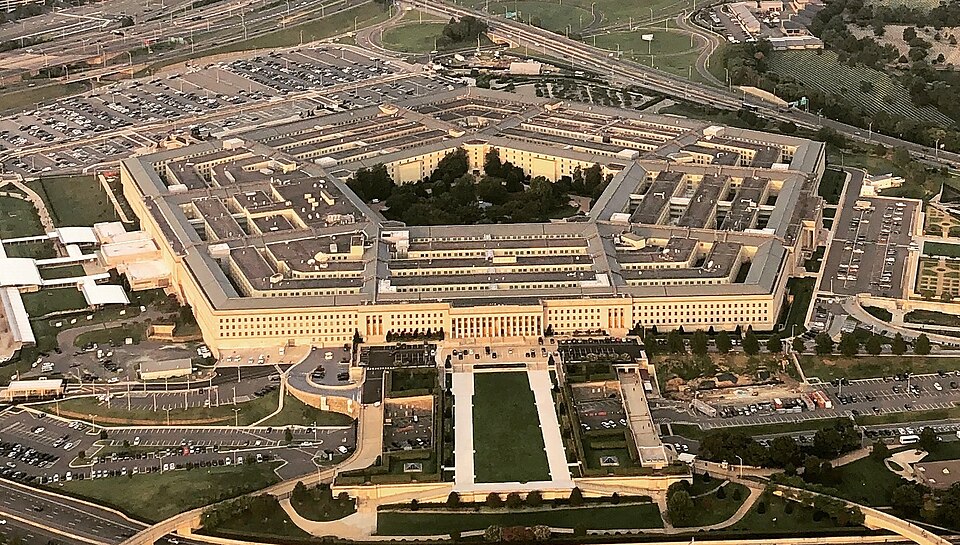
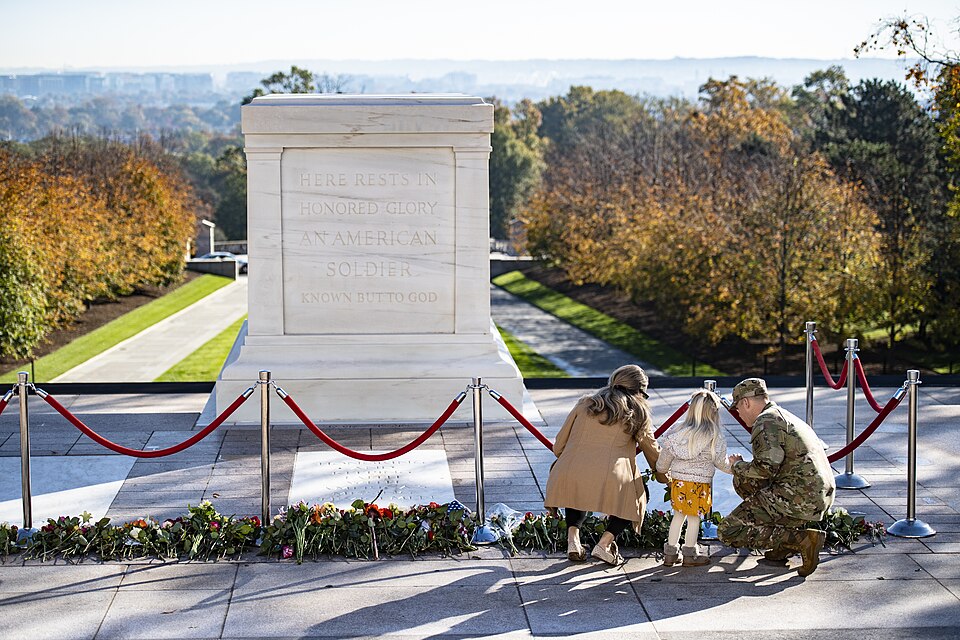
The Commonwealth of Virginia serves as a vital hub for the U.S. Army: the Department of the Army is headquartered at the Pentagon in Arlington; Joint Base Myer-Henderson Hall houses the 3rd U.S. Infantry Regiment ("The Old Guard"), which stands sentinel 24 hours a day at the Tomb of the Unknown Soldier; Fort Belvoir leads intelligence and hospital care; Joint Base Langley-Eustis trains Army maritime and rail ; and Fort Gregg-Adams leads sustainment training.
Understanding how U.S. Army: America's Senior Land Force (Founded June 14, 1775) functions in real environments also involves (loh-JIS-tiks): The complex science of planning, transporting, and supplying food, medicine, equipment, and personnel. Even when surrounding conditions shift across seasons or regions, the interaction between , Logistics, and helps sustain balance and resilience in the wider environment.
Global & Practical Significance: The was established on June 14, 1775, with the motto "This We'll Defend." Furthermore, George Washington of Mount Vernon, Virginia, led the Continental Army to independence.
Amazing Facts
1. Remarkable Scale & Numbers: General George Washington of Mount Vernon, Virginia, was appointed Commander-in-Chief of the newly formed on June 15, 1775. This discovery highlights why Continental Army is central to understanding U.S. Army: America's Senior Land Force (Founded June 14, 1775).
2. Extraordinary Adaptation & Design: The U.S. Army helps manage waterways, dams, ports, and environmental restoration projects across all 50 states. Specialized conditions involving make these adaptations possible.
3. Surprising Scientific & Historical Record: Sentinels of the Army's 3rd Infantry Regiment ("The Old Guard") have guarded the Tomb of the Unknown Soldier in Arlington, Virginia, every second of every day since 1937! Over time, processes linked to leave a lasting mark across 🛡️ All 6 Branches of the U.S. Armed Services (Insignia, Seals & History).
Read & Review
Chapter Synthesis: Throughout this investigation of U.S. Army: America's Senior Land Force (Founded June 14, 1775) in United States Armed Forces (🛡️ All 6 Branches of the U.S. Armed Services (Insignia, Seals & History)), we examined its core foundations, defining traits, step-by-step mechanisms, and real-world connections using key terms like , , and .
Academic Vocabulary Review: • (kon-tih-NEN-tul AR-mee): The original national army formed on June 14, 1775, by the Thirteen Colonies under General George Washington. • (loh-JIS-tiks): The complex science of planning, transporting, and supplying food, medicine, equipment, and personnel. • (kor uv en-jin-EERZ): The U.S. Army branch dedicated to civil engineering, flood protection, bridge construction, and disaster recovery.
Critical Thinking Check: (1) When was the United States Army founded, and what is its official motto? — June 14, 1775 — "This We'll Defend". (2) Which Virginian was appointed the first Commander-in-Chief of the in June 1775? — General George Washington.