Introduction
Tell me what a community eats, and you can discover its climate, geography, and history! Every region on Earth originally created its traditional cuisine from the grains, vegetables, spices, and livestock that thrived in its local soil and waters.
A foundational concept in this investigation is (pronounced STAY-puhl food), which refers to: A foundational food crop—such as rice, wheat, corn, potatoes, or cassava—that is eaten regularly and provides most of a population’s energy. Every part of Unique Foods Globally within Global Cultures & Traditions builds upon this essential concept.
In Grade 5 advanced nonfiction inquiry across Social Sciences & Culture (Global Cultures & Traditions), synthesizing primary evidence around , , and reveals how complex systems operate and adapt over time.
Key Features
Three staple grains feed more than half of humanity, each rooted in a different continent’s geography: Rice thrived in the warm, flooded monsoon paddies of Asia; Wheat and barley flourished across the Fertile Crescent, Mediterranean, and Europe; and Maize (Corn) and potatoes were domesticated thousands of years ago by Indigenous farmers in the Americas!
To analyze these defining traits accurately, specialists examine (fur-men-TAY-shuhn): Using friendly microbes (yeast or bacteria) to transform and preserve foods, such as making bread rise or turning milk into yogurt and cheese. Alongside (A foundational food crop—such as rice, wheat, corn, potatoes, or cassava—that is eaten regularly and provides most of a population’s energy.), these specialized characteristics set Unique Foods Globally apart within Global Cultures & Traditions.
Field Observation & Evidence: Researchers studying Unique Foods Globally observe how physical form matches function in Social Sciences & Culture. Each observable feature provides a clear advantage that supports stability, survival, or performance across changing conditions.
How It Works
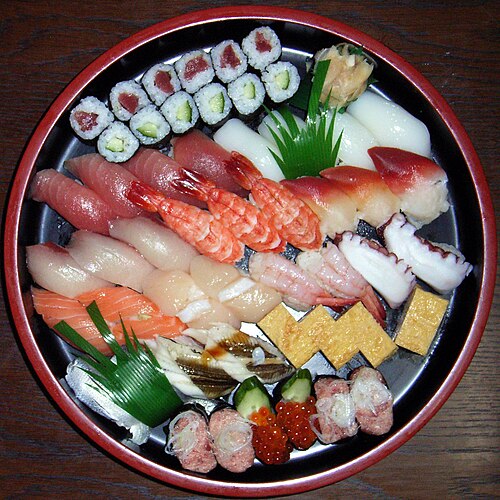
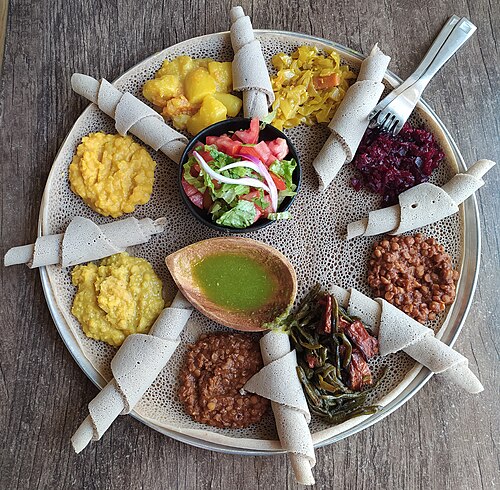
Around the world, cooks invented clever science to preserve and flavor local foods before refrigerators existed: in Japan, an island nation surrounded by rich fishing waters, chefs paired vinegared rice with fresh seafood to create sushi and fermented soybeans into savory miso. In Ethiopia, cooks ferment tiny nutrient-packed teff grains into spongy sourdough flatbread called injera, which serves as both the platter and the utensil for scooping up spiced stews!
This step-by-step process relies on (pronounced kuh-LUM-bee-uhn iks-CHAYNJ), defined as: The historic global transfer of crops, foods, and animals between the Americas and Europe/Africa/Asia after 1492. Each stage of the process prepares the way for the next phase to unfold.
Cause-and-Effect Balance: When conditions remain balanced, and interact inside the to keep the system running smoothly. If any single link in this sequence is disrupted, the entire pace of activity shifts.
In Our World
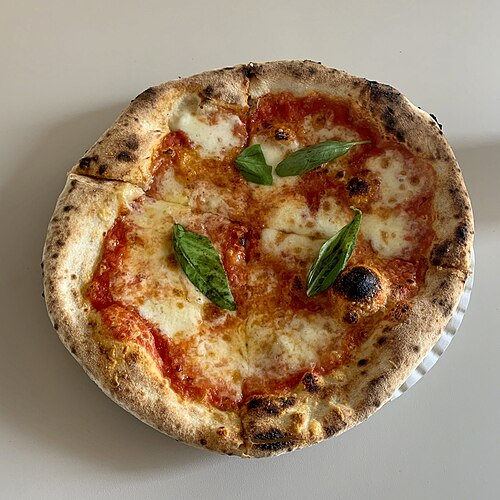
Did you know that prior to 1492 and the "," there were NO tomatoes in Italy for pizza sauce, NO potatoes in Ireland, NO chili peppers in Thailand or India, and NO chocolate in Switzerland? Indigenous farmers in the Americas domesticated tomatoes, potatoes, corn, cacao (chocolate), vanilla, peanuts, and chili peppers—transforming kitchens across the entire planet!
Understanding how Unique Foods Globally functions in real environments also involves (fur-men-TAY-shuhn): Using friendly microbes (yeast or bacteria) to transform and preserve foods, such as making bread rise or turning milk into yogurt and cheese. Even when surrounding conditions shift across seasons or regions, the interaction between , Fermentation, and helps sustain balance and resilience in the wider environment.
Global & Practical Significance: The introduced American crops like tomatoes, potatoes, maize, and chilies to kitchens worldwide. Furthermore, Diner tear pieces of injera to scoop up savory lentil and vegetable stews (wat).
Amazing Facts
1. Remarkable Scale & Numbers: Tomatoes, potatoes, corn, chocolate, vanilla, and chili peppers all originated in the Americas—meaning Italians had no tomato sauce on pasta or pizza before the 1500s! This discovery highlights why is central to understanding Unique Foods Globally.
2. Extraordinary Adaptation & Design: In Ethiopia and Eritrea, families share meals from a large round sourdough injera flatbread—using torn pieces of the bread itself to scoop up food with zero forks or spoons needed! Specialized conditions involving make these adaptations possible.
3. Surprising Scientific & Historical Record: In 2017, the art of the traditional Neapolitan pizza maker (Pizzaiuolo) in Naples, Italy, was officially recognized as a UNESCO cultural treasure! Over time, processes linked to leave a lasting mark across Global Cultures & Traditions.
Read & Review
Chapter Synthesis: Throughout this investigation of Unique Foods Globally in Social Sciences & Culture (Global Cultures & Traditions), we examined its core foundations, defining traits, step-by-step mechanisms, and real-world connections using key terms like , , and .
Academic Vocabulary Review: • (STAY-puhl food): A foundational food crop—such as rice, wheat, corn, potatoes, or cassava—that is eaten regularly and provides most of a population’s energy. • (fur-men-TAY-shuhn): Using friendly microbes (yeast or bacteria) to transform and preserve foods, such as making bread rise or turning milk into yogurt and cheese. • (kuh-LUM-bee-uhn iks-CHAYNJ): The historic global transfer of crops, foods, and animals between the Americas and Europe/Africa/Asia after 1492.
Critical Thinking Check: (1) Which famous ingredients used in Italian, Irish, and Asian cooking today were originally domesticated by Indigenous farmers in the Americas? — Tomatoes, potatoes, corn (maize), chili peppers, cacao (chocolate), and vanilla. (2) In Ethiopian cuisine, what dual role does the spongy teff flatbread called injera play at the family table? — It serves as both the edible tablecloth/platter on which stews are placed and the utensil used to scoop up each bite.