Introduction
Long before modern synthetic fabrics, people around the world wove natural fibers—cotton, wool, silk, linen, and alpaca—into traditional garments that protected them from their local climate while expressing cultural identity, artistry, and celebration!
A foundational concept in this investigation is (pronounced TEKS-tyle), which refers to: Any cloth or woven fabric made by spinning natural or synthetic fibers into yarn and weaving or knitting them together. Every part of Traditional Clothing Around the World within Global Cultures & Traditions builds upon this essential concept.
In Grade 3 Social Sciences & Culture studies (Global Cultures & Traditions), understanding how , , and work together helps explain real-world patterns. As you read each chapter, notice how these key terms connect structure, process, and environment.
Key Features
Climate shapes clothing design: In the scorching Sahara Desert, Tuareg nomads wear loose, flowing indigo-dyed cotton robes and a 5-meter head-and-face wrap (tagelmust) that blocks sandstorms while letting sweat evaporate to cool the skin. High in the freezing Andes Mountains of Peru, Quechua weavers spin warm, water-resistant alpaca and llama wool into colorful woven ponchos and chullo ear-flap hats!
To analyze these defining traits accurately, specialists examine (loom): A frame or machine used by weavers to interlace lengthwise threads (warp) and crosswise threads (weft) into cloth. Alongside (Any cloth or woven fabric made by spinning natural or synthetic fibers into yarn and weaving or knitting them together.), these specialized characteristics set Traditional Clothing Around the World apart within Global Cultures & Traditions.
Field Observation & Evidence: Researchers studying Traditional Clothing Around the World observe how physical form matches function in Social Sciences & Culture. Each observable feature provides a clear advantage that supports stability, survival, or performance across changing conditions.
How It Works
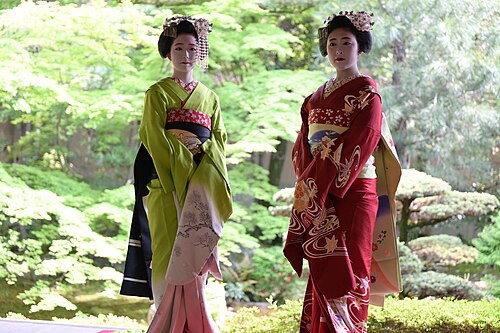
Traditional garments are also masterpieces of geometry and zero-waste engineering! Japan’s kimono ("thing to wear") is cut from a single narrow bolt of silk (tanmono) into straight rectangular panels and sewn together without wasting a single scrap of fabric. India’s sari is an unstitched length of silk or cotton (5 to 9 meters long) draped pleated around the waist and shoulder so it breathes comfortably in tropical heat.
This step-by-step process relies on (pronounced NACH-er-uhl FY-ber), defined as: Thread spun from plants or animals—such as cotton, flax (linen), sheep’s wool, alpaca fleece, or silkworm cocoons. Each stage of the process prepares the way for the next phase to unfold.
Cause-and-Effect Balance: When conditions remain balanced, and interact inside the to keep the system running smoothly. If any single link in this sequence is disrupted, the entire pace of activity shifts.
In Our World
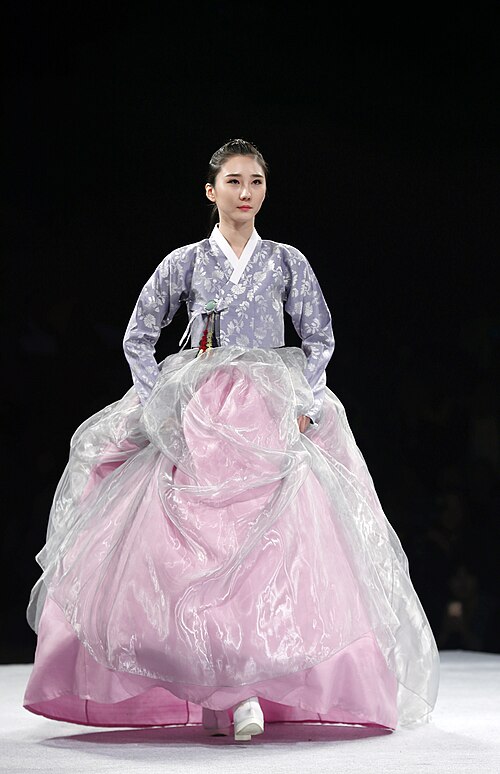
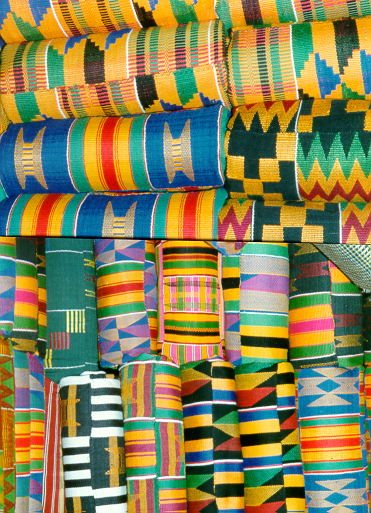
In Ghana (West Africa), Ashanti and Ewe master weavers use handlooms to weave strips of silk and cotton into royal Kente cloth, where every color and geometric pattern has a proverb meaning (gold for royalty and spiritual purity, green for growth and renewal). In Korea, the graceful hanbok pairs a short jacket (jeogori) with a flowing wrap skirt (chima), while Scotland’s wool tartan kilts display family clan plaids.
Understanding how Traditional Clothing Around the World functions in real environments also involves (loom): A frame or machine used by weavers to interlace lengthwise threads (warp) and crosswise threads (weft) into cloth. Even when surrounding conditions shift across seasons or regions, the interaction between , Loom, and helps sustain balance and resilience in the wider environment.
Global & Practical Significance: Full, loose-fitting desert garments reduce solar heat gain and protect against dehydration and windblown sand. Furthermore, Zero-waste geometry honors the skilled labor of the weavers and dyers.
Amazing Facts
1. Remarkable Scale & Numbers: A traditional Japanese kimono is made by cutting a single roll of fabric into 8 straight rectangular pieces—resulting in zero wasted cloth scraps! This discovery highlights why is central to understanding Traditional Clothing Around the World.
2. Extraordinary Adaptation & Design: In Ghana’s woven Kente cloth, every single pattern and color carries a symbolic meaning: gold represents status and serenity, green stands for harvest and growth, and blue symbolizes peace and harmony. Specialized conditions involving make these adaptations possible.
3. Surprising Scientific & Historical Record: Loose, flowing robes worn in hot deserts actually keep a person cooler than shorts and a T-shirt because they shade the skin from direct sun and create a chimney breeze effect inside the robe! Over time, processes linked to leave a lasting mark across Global Cultures & Traditions.
Read & Review
Chapter Synthesis: Throughout this investigation of Traditional Clothing Around the World in Social Sciences & Culture (Global Cultures & Traditions), we examined its core foundations, defining traits, step-by-step mechanisms, and real-world connections using key terms like , , and .
Academic Vocabulary Review: • (TEKS-tyle): Any cloth or woven fabric made by spinning natural or synthetic fibers into yarn and weaving or knitting them together. • (loom): A frame or machine used by weavers to interlace lengthwise threads (warp) and crosswise threads (weft) into cloth. • (NACH-er-uhl FY-ber): Thread spun from plants or animals—such as cotton, flax (linen), sheep’s wool, alpaca fleece, or silkworm cocoons.
Critical Thinking Check: (1) Why do people living in hot, sunny deserts like the Sahara wear loose, head-to-toe flowing robes instead of short sleeves? — Loose robes shield skin from sunburn, block blowing sand, and let air circulate inside to cool the body. (2) What is special about how a traditional Japanese kimono or Indian sari is constructed from fabric? — They use straight rectangular panels or unstitched lengths of cloth, producing zero wasted fabric scraps.