Introduction
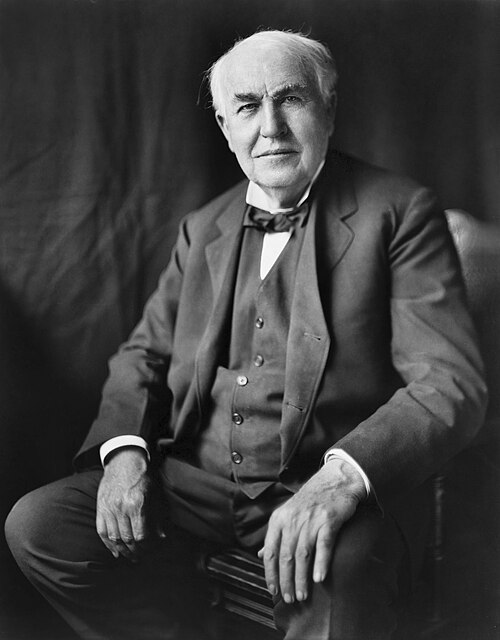
Known as the "Wizard of Menlo Park," Thomas Alva Edison (1847–1931) was one of the most prolific inventors in history, holding a remarkable 1,093 US patents! His inventions gave the world recorded sound, practical electric lighting, motion picture cameras, and the world’s first industrial research laboratory.
An important word to know in this book is (PAT-uhnt). Patent means: An official government document granting an inventor the exclusive legal right to make and sell a new invention. Learning about Patent helps us understand how Thomas Edison fits into Inventors & Scientists.
Key Features
Born in Ohio and raised in Michigan, young Thomas was endlessly curious, setting up a chemistry lab in his family’s basement and later inside a baggage car on the train where he sold newspapers! Though scarlet fever and ear infections left him nearly deaf at age 12, Edison said his hearing loss helped him concentrate without distractions.
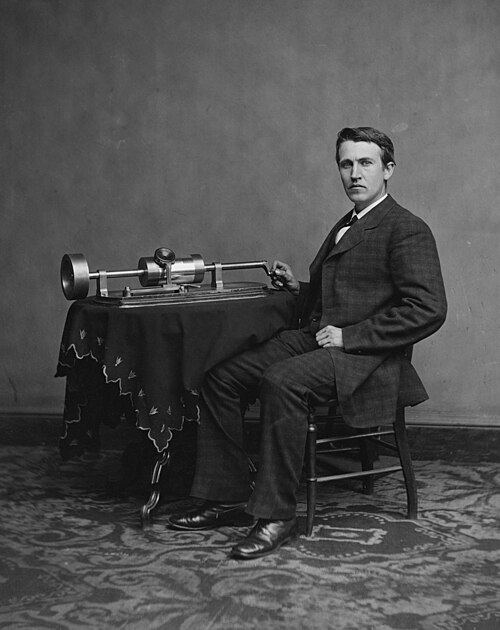
Scientists and explorers also look closely at (FOH-nuh-graf), which means: Edison’s 1877 invention that recorded sound vibrations as grooves on a cylinder and played the sound back. These special traits make Thomas Edison easy to spot and study.
How It Works
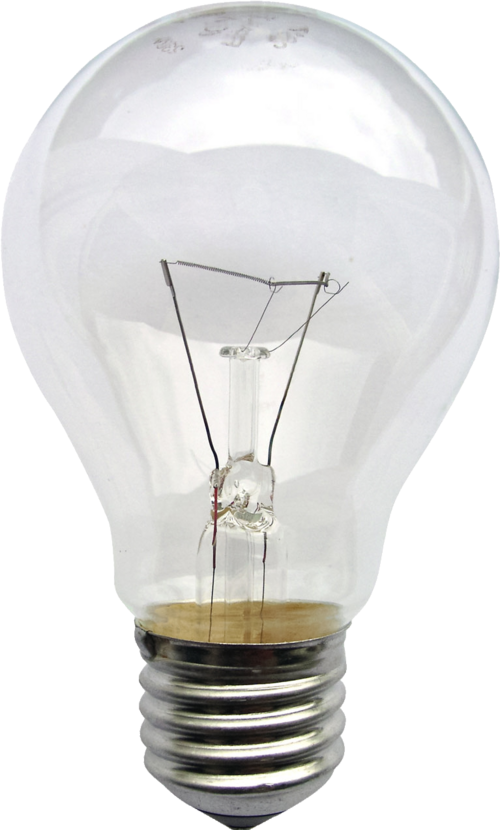
In 1877 at his Menlo Park, New Jersey, "invention factory," Edison invented the —the first machine able to record and play back a human voice ("Mary had a little lamb") on a tinfoil cylinder! Next, Edison and his team tested more than 3,000 materials before discovering in 1879 that a carbonized bamboo inside a vacuum glass bulb could glow brightly for over 1,200 hours—AND he built the electric power stations and wiring grid to light whole cities!
Here is another helpful term: (FIL-uh-muhnt). It means: The thin carbon or tungsten thread inside an incandescent lightbulb that glows brightly when electric current passes through it. Step by step, and Filament work together in nature.
In Our World
Edison taught the world that invention is teamwork and persistence. As he famously said: "Genius is one percent inspiration and ninety-nine percent perspiration," and "I have not failed. I’ve just found 10,000 ways that won’t work!"
Understanding how Thomas Edison works in our world also involves (FOH-nuh-graf): Edison’s 1877 invention that recorded sound vibrations as grooves on a cylinder and played the sound back. Even when surrounding conditions shift across seasons or regions, the interaction between , Phonograph, and helps sustain balance and resilience in the wider environment.
Amazing Facts
Amazing Fact #1: Thomas Edison was awarded 1,093 US patents—an average of one new every two weeks for his entire adult working life!
Amazing Fact #2: The very first words ever recorded and played back by a machine were Thomas Edison reciting "Mary had a little lamb" into his 1877 tin-foil .
Amazing Fact #3: Edison’s Menlo Park laboratory in New Jersey was the world’s first modern research-and-development (R&D) lab where scientists, machinists, and glassblowers teamed up.
Read & Review
Let's review what we discovered about Thomas Edison! In this book, we explored how , , and connect to Inventors & Scientists.
Key Question #1: Why did Thomas Edison’s 1879 incandescent lightbulb last for over 1,200 hours when earlier electric bulbs burned out in minutes? Answer: He pumped the air out to create a vacuum inside the glass bulb and used a durable carbonized . Removing oxygen inside a vacuum glass bulb prevented the glowing carbon filament from burning up.
Key Question #2: What did Thomas Edison’s 1877 do for the very first time in human history? Answer: Recorded and played back sound. Before 1877, no sound or voice had ever been recorded and replayed.