Introduction
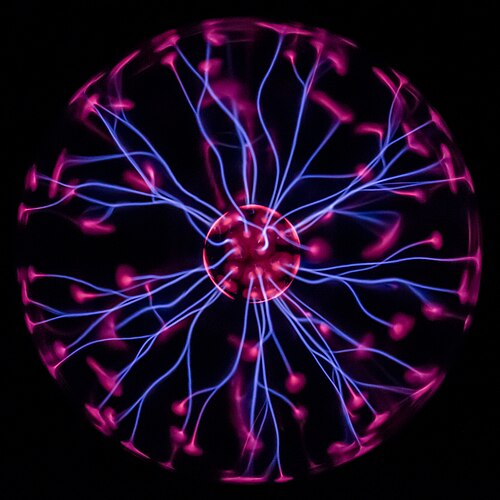
Everything you can touch, drink, or breathe is made of —tiny atoms and molecules in constant motion! On Earth, matter commonly exists in three classical states: solid, liquid, and gas (plus a fourth superheated state called plasma found in stars and lightning).
An important word to know in this book is (MAT-er). Matter means: Anything that has mass and takes up space (volume), built from atoms and molecules. Learning about Matter helps us understand how The States of Matter: Solids, Liquids, and Gases fits into Everyday Physics & Chemistry.
Key Features
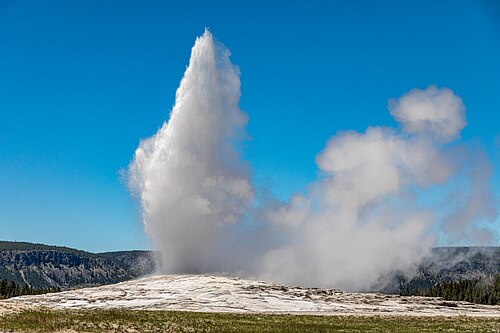
Each state behaves differently based on how its molecules move: 1) A Solid (like an ice cube or rock) has a definite shape and definite volume because its molecules are locked tightly together, vibrating in place. 2) A Liquid (like liquid water or milk) has a definite volume but takes the shape of whatever cup you pour it into because its molecules slide past one another. 3) A Gas (like steam or air) has no fixed shape or volume—its fast-moving molecules spread out to fill an entire room or balloon!
Scientists and explorers also look closely at (fayz chaynj), which means: A physical transition from one state of to another, such as melting, freezing, evaporation, or condensation. These special traits make The States of Matter: Solids, Liquids, and Gases easy to spot and study.
How It Works
Adding or removing thermal energy (heat) causes phase changes! Heating solid ice above 0°C (32°F) makes molecules vibrate fast enough to break free into liquid water (melting). Heating water to 100°C (212°F) makes molecules zip apart into invisible steam gas (boiling/evaporation). Cooling reverses the trip: gas condenses into liquid, and liquid freezes into solid.
Here is another helpful term: (sub-luh-MAY-shuhn). It means: When a solid turns directly into a gas without ever becoming a liquid, like dry ice. Step by step, and Sublimation work together in nature.
In Our World
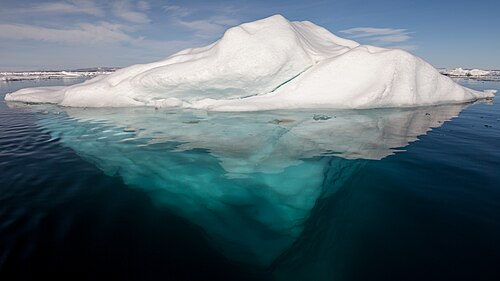
Water is the only natural substance on Earth that we see every day in all three states at once: solid icebergs and snow, liquid oceans and rain, and invisible water vapor gas in the air! Some substances, like dry ice (frozen carbon dioxide), skip the liquid stage completely and turn straight from solid to gas ().
Understanding how The States of : Solids, Liquids, and Gases works in our world also involves (fayz chaynj): A physical transition from one state of matter to another, such as melting, freezing, evaporation, or condensation. Even when surrounding conditions shift across seasons or regions, the interaction between Matter, Phase Change, and helps sustain balance and resilience in the wider environment.
Amazing Facts
Amazing Fact #1: Water is one of the only substances in the universe that actually expands and becomes LESS dense when it freezes into a solid—which is why ice cubes float!
Amazing Fact #2: While solids, liquids, and gases are most common on Earth, 99% of the visible universe (including the Sun and stars) is actually in the fourth state of : plasma!
Amazing Fact #3: Dry ice is solid carbon dioxide frozen at -78.5°C (-109°F); at room temperature it never melts into a puddle, instead sublimating directly into spooky fog gas.
Read & Review
Let's review what we discovered about The States of : Solids, Liquids, and Gases! In this book, we explored how Matter, , and connect to Everyday Physics & Chemistry.
Key Question #1: How do the molecules in a solid, a liquid, and a gas compare? Answer: Solid molecules vibrate in fixed positions, liquid molecules slide past each other, and gas molecules zoom freely to fill any space. Thermal energy determines how freely molecules overcome the attractions between them.
Key Question #2: What is unusual about water when it freezes from a liquid into solid ice? Answer: Its molecules form a crystal lattice that expands, making solid ice less dense so it floats on liquid water. Hydrogen bonds arrange ice into a hexagonal crystal lattice that is about 9% less dense than liquid water.