Introduction
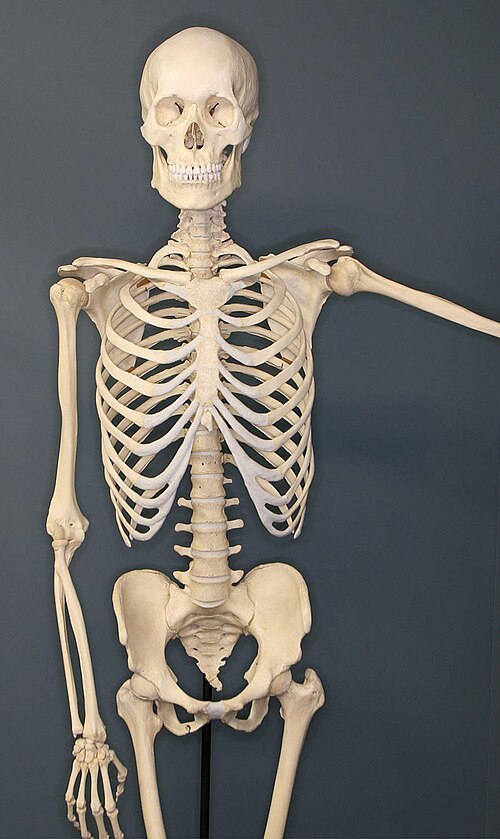
Without your skeleton, your body would collapse into a puddle on the floor like a jellyfish out of water! The human skeletal system is a living, growing internal framework of 206 bones that supports your body, shields vital organs, and teams up with muscles so you can run, jump, and write.
An important word to know in this book is (bohn MAIR-oh). Bone Marrow means: The soft, spongy tissue inside the center of bones that produces red blood cells, white blood cells, and platelets. Learning about Bone Marrow helps us understand how The Skeletal System fits into The Human Body & Health.
Key Features
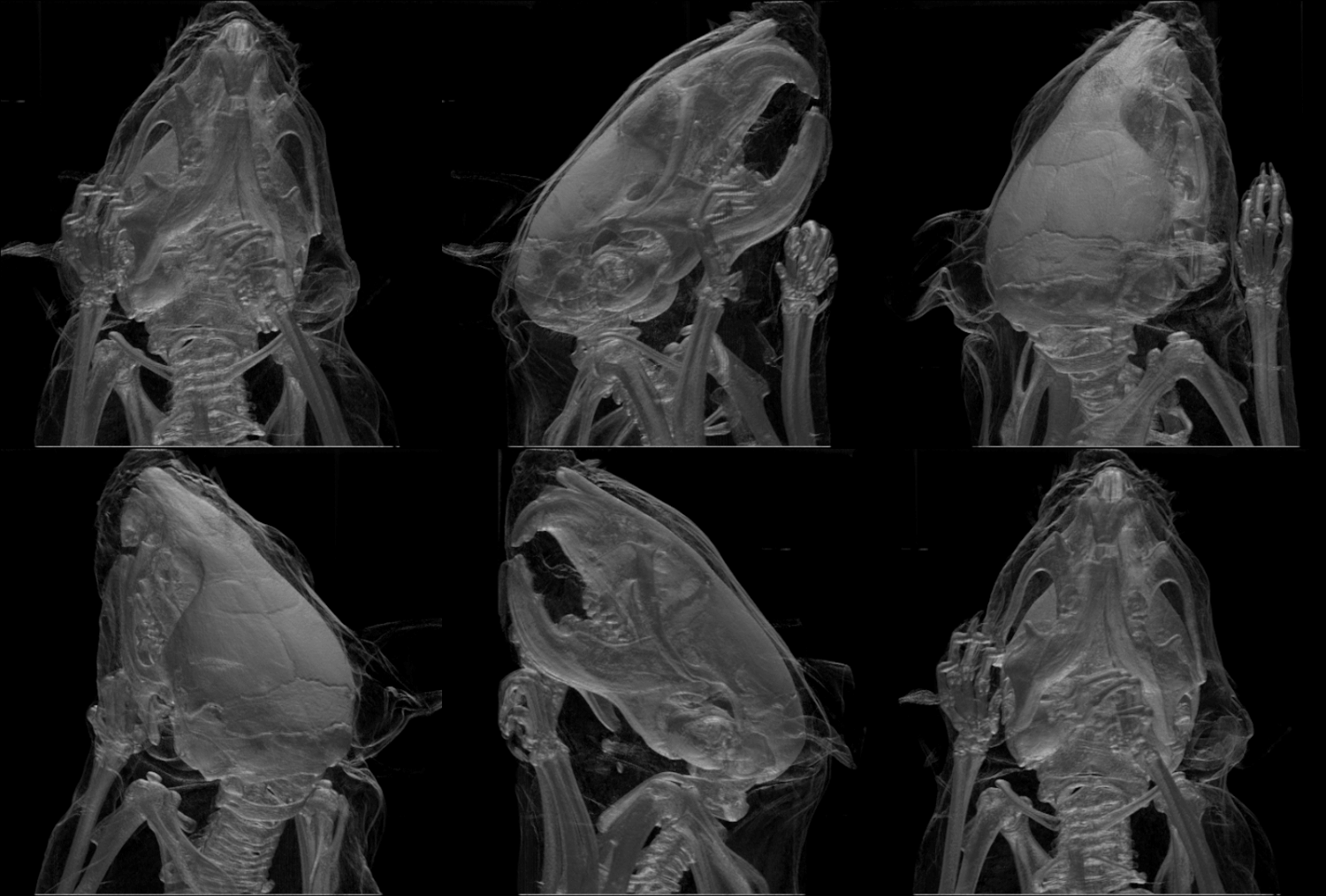
Your skeleton has two main parts: the axial skeleton (the 22 bones of your skull that protect your brain, the 33 vertebrae of your spine, and your 12 pairs of ribs that cage your heart and lungs) and the appendicular skeleton (your arms, shoulders, hips, and legs).
Scientists and explorers also look closely at (KAR-tuh-lij), which means: Smooth, flexible connective tissue that cushions the ends of bones at joints and shapes your nose and ears. These special traits make The Skeletal System easy to spot and study.
How It Works
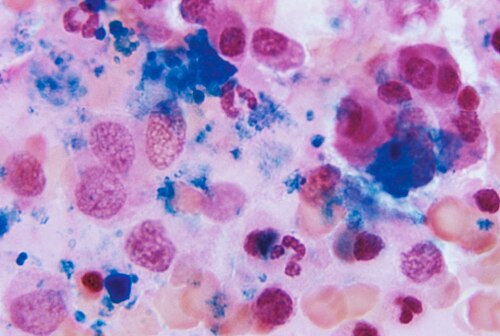
Bones are not dry, dead sticks—they are living organs with blood vessels and nerves! An outer layer of hard calcium-rich compact bone surrounds lightweight, honeycomb-like spongy bone. Deep inside the hollow center of large bones is red , a remarkable factory that manufactures 2 million new red blood cells every single second! Where two bones meet, joints (like ball-and-socket shoulders and hinge knees) cushioned by smooth and held by ligaments allow smooth motion.
Here is another helpful term: (LIG-uh-muhnt). It means: A tough, elastic band of tissue that connects one bone to another bone across a joint. Step by step, and Ligament work together in nature.
In Our World
Believe it or not, human babies are born with around 270 to 300 bones! Many baby bones are made of flexible that gradually fuses together as you grow, leaving adults with 206 bones. Weight-bearing exercise and calcium + Vitamin D keep bones dense and strong.
Understanding how The Skeletal System works in our world also involves (KAR-tuh-lij): Smooth, flexible connective tissue that cushions the ends of bones at joints and shapes your nose and ears. Even when surrounding conditions shift across seasons or regions, the interaction between , Cartilage, and helps sustain balance and resilience in the wider environment.
Amazing Facts
Amazing Fact #1: You wake up slightly taller every morning than when you went to bed because the squishy disks between your spine bones plump up while you lie flat overnight!
Amazing Fact #2: The longest and strongest bone in your body is the femur (thighbone), while the smallest bone is the stapes (stirrup) inside your middle ear—smaller than a grain of rice!
Amazing Fact #3: More than half of all 206 bones in your body (106 of them!) are located in just your hands and feet.
Read & Review
Let's review what we discovered about The Skeletal System! In this book, we explored how , , and connect to The Human Body & Health.
Key Question #1: Why does a newborn baby have about 300 bones while an adult human has 206 bones? Answer: Many smaller bones fuse together into single stronger bones as a child grows up. Skull plates and other smaller bones ossify and fuse together during childhood growth.
Key Question #2: What vital job happens inside the red at the center of your large bones? Answer: It manufactures millions of new red blood cells, white blood cells, and platelets every second. Red bone marrow is the body’s primary site of hematopoiesis (blood cell production).