Introduction
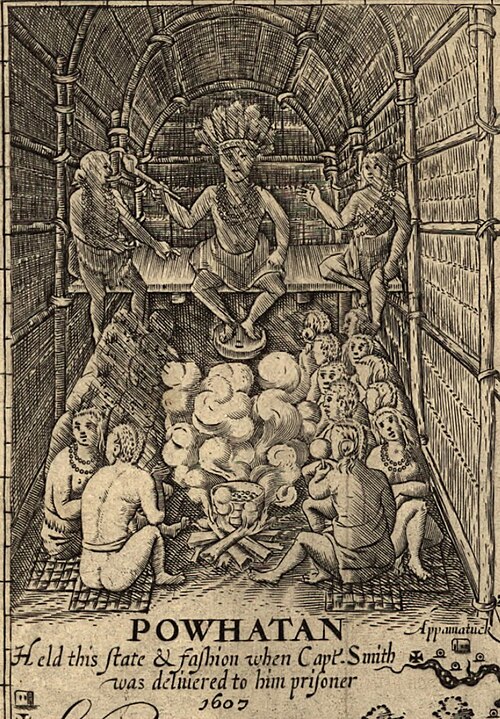
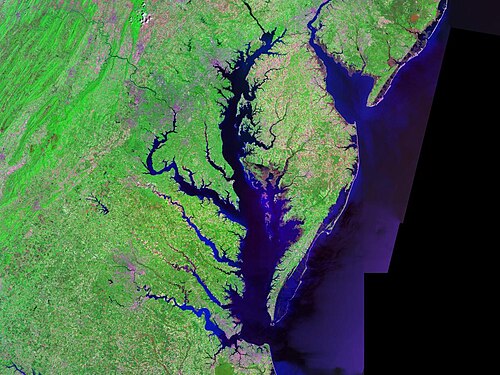
Long before English ships sailed into the Chesapeake Bay in 1607, the Algonquian-speaking Powhatan people flourished across Virginia’s Coastal Plain (Tidewater) in a homeland they called ! Paramount Chief Wahunsenacawh (Chief Powhatan) united more than 30 tribes across riverfront towns.
An important word to know in this book is (yeh-HAH-kin). Yehakin means: A traditional Powhatan home built from a frame of bent saplings covered with woven reed mats or bark. Learning about Yehakin helps us understand how The Powhatan Tribe of Virginia fits into Indigenous Peoples.
Key Features
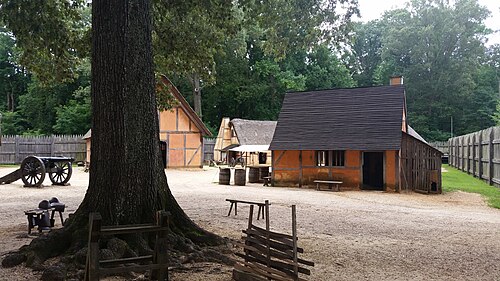
Powhatan families engineered sturdy, arched longhouses called yehakins by bending green saplings into a frame and covering them with woven cattail reed mats or tree bark. In summer, reed mats could be rolled up to let river breezes cool the home; in winter, extra mats kept families warm.
Scientists and explorers also look closely at (seh-nah-KOH-mah-kah), which means: The Algonquian name for the Powhatan homeland across Tidewater Virginia (“densely inhabited land”). These special traits make The Powhatan Tribe of Virginia easy to spot and study.
How It Works
Virginia’s four tidal rivers—the James, York, Rappahannock, and Potomac—were the Powhatan highways! Craftspeople hollowed out tall cypress and poplar tree trunks using controlled embers and shell scrapers to build sleek dugout canoes. Women farmed the "" crops together: tall corn stalks supported climbing bean vines, while broad squash leaves shaded the soil and held moisture.
Here is another helpful term: (three SIS-terz). It means: The companion-planting trio of corn (maize), climbing beans, and winter squash grown together by Indigenous farmers. Step by step, and Three Sisters work together in nature.
In Our World
Today, Virginia is home to state- and federally-recognized tribes descending from the Powhatan Paramountcy—including the Pamunkey, Mattaponi, Chickahominy, Upper Mattaponi, Rappahannock, and Nansemond—preserving Algonquian heritage, pottery, and river stewardship.
Understanding how The Powhatan Tribe of Virginia works in our world also involves (seh-nah-KOH-mah-kah): The Algonquian name for the Powhatan homeland across Tidewater Virginia (“densely inhabited land”). Even when surrounding conditions shift across seasons or regions, the interaction between , Tsenacommacah, and helps sustain balance and resilience in the wider environment.
Amazing Facts
Amazing Fact #1: In "" agriculture, bean roots actually host natural bacteria that add nitrogen fertilizer back into the soil to feed the hungry corn stalks!
Amazing Fact #2: Powhatan dugout canoes could be hollowed out up to 12 meters (40 feet) long—big enough to carry 30 paddlers across the Chesapeake Bay.
Amazing Fact #3: Pocahontas (whose childhood name was Matoaka, and formal name was Amonute) was the daughter of Paramount Chief Wahunsenacawh.
Read & Review
Let's review what we discovered about The Powhatan Tribe of Virginia! In this book, we explored how , , and connect to Indigenous Peoples.
Key Question #1: What were traditional Powhatan homes called, and how were they built? Answer: Yehakins, built from bent wooden saplings covered with woven reed mats or bark. Yehakins were weather-tight, insulated arched longhouses suited to Virginia’s four seasons.
Key Question #2: Why did Powhatan farmers plant the "" (corn, beans, and squash) together in the same mound? Answer: Corn supported climbing beans, beans added nitrogen to soil, and squash leaves shaded out weeds. Companion planting of corn, beans, and squash created a self-supporting agricultural ecosystem.