Introduction
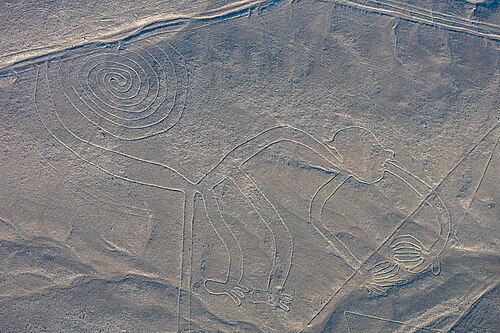
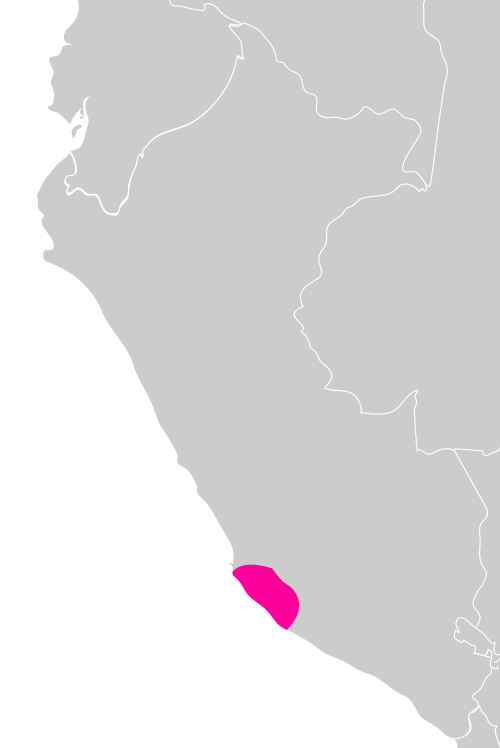
Etched into the dry, rust-colored coastal desert plateau of southern Peru are hundreds of enormous geoglyphs known as the Nazca Lines. Constructed over 2,000 years ago (between 500 BCE and 500 CE) by the ancient Nazca culture, these ground drawings depict hummingbirds, monkeys, killer whales, spiders, plants, and geometric lines stretching across nearly 190 square miles.
A foundational concept in this investigation is (pronounced JEE-oh-glif), which refers to: A large design or motif produced on the ground by arranging or scraping away durable landscape elements like stones, gravel, or earth. Every part of The Nazca Lines, Peru: Giant Geoglyphs of the Desert within 🧭 Unsolved & Unexplained: 10 Mysterious Places on Earth builds upon this essential concept.
In Grade 3 Social Sciences & Culture studies (🧭 Unsolved & Unexplained: 10 Mysterious Places on Earth), understanding how , , and work together helps explain real-world patterns. As you read each chapter, notice how these key terms connect structure, process, and environment.
Key Features
Some Nazca animal figures measure more than 900 feet long—longer than three football fields—while straight geometric runways run arrow-straight across valleys and hills for several miles! Despite their massive aerial scale, the trenches themselves are surprisingly shallow, averaging only 4 to 6 inches (10 to 15 centimeters) deep.
To analyze these defining traits accurately, specialists examine (AIR-id): Having little or no rain; extremely dry desert climate. Alongside (A large design or motif produced on the ground by arranging or scraping away durable landscape elements like stones, gravel, or earth.), these specialized characteristics set The Nazca Lines, Peru: Giant Geoglyphs of the Desert apart within 🧭 Unsolved & Unexplained: 10 Mysterious Places on Earth.
Field Observation & Evidence: Researchers studying The Nazca Lines, Peru: Giant Geoglyphs of the Desert observe how physical form matches function in Social Sciences & Culture. Each observable feature provides a clear advantage that supports stability, survival, or performance across changing conditions.
How It Works
The Mystery: Because the patterns are so gigantic that they can only be clearly appreciated from high in the air or from surrounding foothills, scholars long debated how and why an ancient society built artwork they could not view from the sky. The Science: The Nazca people created the lines by scraping away dark, iron-oxide-coated surface pebbles (desert patina) to expose the bright, light-colored clay soil underneath—using simple wooden stakes and測量 cords to scale up small grid drawings! Thanks to the Pampa Colorada’s windless, rainless climate and a sun-baked crust of gypsum, the shallow lines stayed preserved for two millennia as sacred ceremonial walkways (ceques) and astronomical markers meant to be seen by sky deities to bring life-giving water and rain for desert crops.
This step-by-step process relies on (pronounced EYE-ern OK-syde puh-TEE-nuh), defined as: The dark reddish-brown weathered crust on desert pebbles that contrasts sharply with the pale clay soil underneath when scraped away. Each stage of the process prepares the way for the next phase to unfold.
Cause-and-Effect Balance: When conditions remain balanced, and interact inside the to keep the system running smoothly. If any single link in this sequence is disrupted, the entire pace of activity shifts.
In Our World
In recent years, archaeologists from Yamagata University using drones and artificial intelligence have discovered over 300 previously unknown smaller geoglyphs across the Nazca Pampa, proving how deeply these desert pathways were woven into the daily spiritual life of ancient Andean communities.
Understanding how The Nazca Lines, Peru: Giant Geoglyphs of the Desert functions in real environments also involves (AIR-id): Having little or no rain; extremely dry desert climate. Receiving less than an inch of rain per year and sheltered from strong winds by warm air cushions rising off the dark pebbles, the Nazca desert acts like a natural time capsule that preserves shallow earth carvings for over 2,000 years.
Global & Practical Significance: Removing the top layer of dark reddish pebbles reveals the pale yellowish-white subsoil beneath, creating high-contrast lines visible from afar. Furthermore, Almost zero rainfall combined with calm surface winds and mineral-crusted soil preserved the shallow trenches for millennia.
Amazing Facts
1. Remarkable Scale & Numbers: The Nazca desert is one of the driest places on Earth, receiving only about 20 minutes of light mist or drizzle per year—which is why 4-inch-deep trenches haven’t washed away in 2,000 years! This discovery highlights why is central to understanding The Nazca Lines, Peru: Giant Geoglyphs of the Desert.
2. Extraordinary Adaptation & Design: Ancient Nazca engineers didn’t need airplanes to draw giant animals cleanly: archaeologists demonstrated that wooden stakes and measured ropes can scale a small sketch up to 300 feet across in just a few days! Specialized conditions involving make these adaptations possible.
3. Surprising Scientific & Historical Record: Many Nazca biomorph geoglyphs—like the 300-foot Hummingbird and the spiral-tailed Monkey—were formed from a single continuous line that never crosses over itself, like a ceremonial labyrinth path. Over time, processes linked to leave a lasting mark across 🧭 Unsolved & Unexplained: 10 Mysterious Places on Earth.
Read & Review
Chapter Synthesis: Throughout this investigation of The Nazca Lines, Peru: Giant Geoglyphs of the Desert in Social Sciences & Culture (🧭 Unsolved & Unexplained: 10 Mysterious Places on Earth), we examined its core foundations, defining traits, step-by-step mechanisms, and real-world connections using key terms like , , and .
Academic Vocabulary Review: • (JEE-oh-glif): A large design or motif produced on the ground by arranging or scraping away durable landscape elements like stones, gravel, or earth. • (AIR-id): Having little or no rain; extremely dry desert climate. • (EYE-ern OK-syde puh-TEE-nuh): The dark reddish-brown weathered crust on desert pebbles that contrasts sharply with the pale clay soil underneath when scraped away.
Critical Thinking Check: (1) How did ancient Nazca craftspeople physically create the bright lines of the Nazca geoglyphs across the desert floor? — By scraping away dark, iron-oxidized surface pebbles to expose the lighter-colored clay soil directly underneath. (2) What two natural conditions kept the shallow Nazca Lines from washing or blowing away for over 2,000 years? — An extremely (rainless) desert climate and a warm surface air layer that slows ground wind while gypsum binds the pebbles.