Introduction
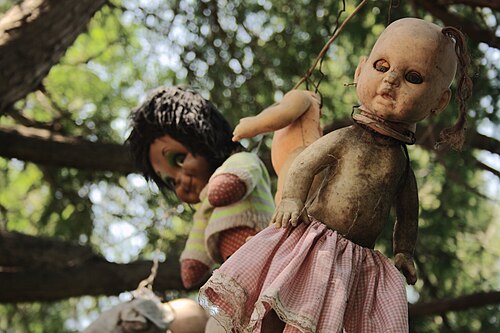
South of downtown Mexico City, nestled in the tranquil, tree-lined water canals of , sits a small (an ancient Aztec-style artificial floating garden island) known as Isla de las Muñecas—the Island of the Dolls—where hundreds of weathered, sun-faded dolls hang from ahuejote willow tree branches.
An important word to know in this book is (chih-NAM-puh). Chinampa means: An artificial, stationary agricultural island ("floating garden") built in a shallow lakebed using layered mud and woven willow fences. Learning about Chinampa helps us understand how The Island of Dolls (Isla de las Muñecas), Mexico: 's Chinampa Memorial fits into 🧭 Unsolved & Unexplained: 10 Mysterious Places on Earth.
Key Features
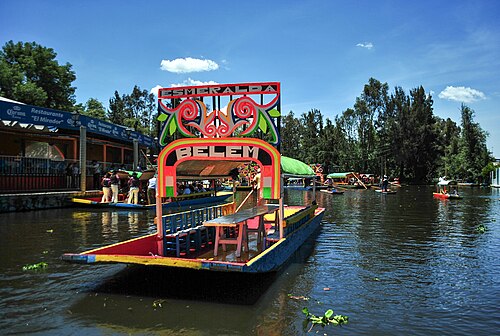
itself is a UNESCO World Heritage Site famous for its brightly painted flat-bottomed gondola boats (trajineras), floating mariachi musicians, and fertile agricultural chinampas built in the shallow lakebed centuries ago by Indigenous peoples of the Valley of Mexico. Amid this colorful landscape, Don Julián’s small garden island stands out as a unique piece of Mexican folk culture.
Scientists and explorers also look closely at (fohk muh-MOR-ee-uhl), which means: A handmade monument or tribute created by ordinary community members to remember a person or event through local cultural traditions. These special traits make The Island of Dolls (Isla de las Muñecas), Mexico: 's Memorial easy to spot and study.
How It Works
The Mystery: Visitors gliding past on colorful trajinera boats are often surprised by the unusual sight of dolls hanging throughout the island’s trees, which inspired local campfire stories claiming the toys whisper or move in the breeze at night. The Science & History: Historians and the caretaker’s own family explain that the island is not an ancient ruin or a haunted trap, but a heartfelt modern ! In the 1950s, the island’s lone farmer and caretaker, Don Julián Santana Barrera, began hanging discarded dolls he found floating in the canals—or traded his homegrown vegetables for—to honor the memory of a young girl who had tragically drowned nearby and to bring protective peace to the canal. Over 50 years of tending his crops, his collection grew into one of the most distinctive folk-art landmarks in the world.
Here is another helpful term: (soh-chih-MEEL-koh). It means: A historic borough south of Mexico City famous for its Aztec-era network of freshwater canals, trajinera boats, and gardens (meaning "Place of the Flower Field" in Nahuatl). Step by step, Chinampa and Xochimilco work together in nature.
In Our World
After Don Julián passed away in 2001, his family preserved the as an open-air folk museum. For visitors and cultural geographers, the island illustrates both the enduring ingenuity of Aztec chinampa wetland farming in and how personal folk traditions can transform an ordinary farm plot into a world-famous cultural landmark.
Understanding how The Island of Dolls (Isla de las Muñecas), Mexico: 's Memorial works in our world also involves (fohk muh-MOR-ee-uhl): A handmade monument or tribute created by ordinary community members to remember a person or event through local cultural traditions. Anchored by the deep roots of native Mexican willow trees (ahuejotes), Xochimilco’s man-made chinampa islands have supported sustainable wetland agriculture and local cultural traditions for nearly a thousand years.
Amazing Facts
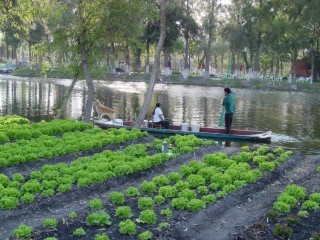
Amazing Fact #1: A is not actually a free-floating raft—it is an ultra-fertile artificial island built in shallow lake water by layering canal mud and aquatic plants inside a woven willow-branch frame anchored by living willow trees!
Amazing Fact #2: Don Julián Santana Barrera was a peaceful farmer who grew corn, squash, and flowers on his for 50 years, often trading his fresh vegetables with neighbors for old dolls to add to his memorial.
Amazing Fact #3: The canals of around the island are also the only natural habitat on Earth for the critically endangered axolotl—the smiling Mexican "walking fish" salamander!
Read & Review
Let's review what we discovered about The Island of Dolls (Isla de las Muñecas), Mexico: 's Memorial! In this book, we explored how Chinampa, , and Xochimilco connect to 🧭 Unsolved & Unexplained: 10 Mysterious Places on Earth.
Key Question #1: What is the true historical origin of Mexico’s Island of the Dolls (Isla de las Muñecas) in the canals of ? Answer: It was created beginning in the 1950s by caretaker Don Julián Santana Barrera as a peaceful to honor a young girl who drowned nearby. Caretaker Don Julián Santana Barrera hung dolls collected from the canals over 50 years as a personal folk tribute and guardian memorial.
Key Question #2: In the section on the Island of the Dolls, the island is described as a in the canals of . What is a chinampa? Answer: An artificial agricultural garden island built in shallow lake water using layered mud and anchored by willow trees. Invented by Indigenous peoples of the Valley of Mexico, chinampas are fertile man-made agricultural islands in shallow wetlands.