Introduction
The word "democracy" comes from two ancient Greek words: demos (the people) and kratos (rule or power)—meaning "rule by the people"! Voting is the superpower that lets citizens choose their leaders and shape laws, and the story of American history is the story of expanding the right to vote () to all citizens.
An important word to know in this book is (SUF-rij). Suffrage means: The legal and constitutional right to vote in public political elections. Learning about Suffrage helps us understand how The History of Voting fits into Civics & Community.
Key Features
Around 508 BCE in ancient Athens, Greece, citizens gathered on a rocky hill called the Pnyx to vote directly on laws—sometimes dropping white or black pebbles or bronze disks into clay urns! When the United States was founded in 1776–1789, most states initially allowed only white men who owned land or property to vote.
Scientists and explorers also look closely at (nyn-TEENTH uh-MEND-muhnt), which means: The 1920 addition to the US Constitution guaranteeing that the right to vote cannot be denied on account of sex (winning women the vote). These special traits make The History of Voting easy to spot and study.
How It Works
Brave generations of Americans campaigned, marched, and amended the US Constitution to open the ballot box to everyone: 1) By the 1830s, property rules were dropped; 2) In 1870, the 15th Amendment declared that the right to vote cannot be denied because of race; 3) In 1920, after decades of marches led by suffragists like Susan B. Anthony, Elizabeth Cady Stanton, Sojourner Truth, and Alice Paul, the won women the right to vote nationwide! 4) In 1924, the Indian Citizenship Act recognized Native Americans’ citizenship; 5) The Voting Rights Act of 1965 outlawed unfair literacy tests; and 6) In 1971, the 26th Amendment lowered the voting age from 21 to 18!
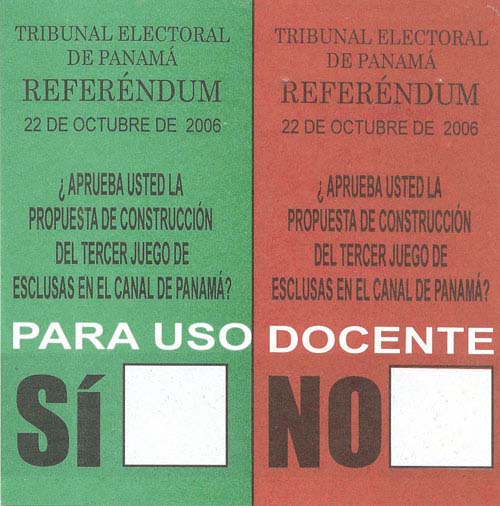
Here is another helpful term: (SEE-krit BAL-uht). It means: A voting method in which a voter’s choices are anonymous and confidential so no one can intimidate them. Step by step, and Secret Ballot work together in nature.
In Our World
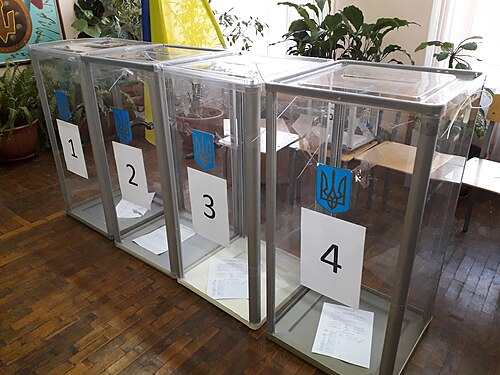
Today, elections use secret ballots (the "Australian ballot," introduced in the US in the 1880s) inside private voting booths so no boss or neighbor can pressure how you vote! Even before turning 18, kids can participate in mock school elections, volunteer at community drives, and remind grown-ups to vote.
Understanding how The History of Voting works in our world also involves (nyn-TEENTH uh-MEND-muhnt): The 1920 addition to the US Constitution guaranteeing that the right to vote cannot be denied on account of sex (winning women the vote). Even when surrounding conditions shift across seasons or regions, the interaction between , 19th Amendment, and helps sustain balance and resilience in the wider environment.
Amazing Facts
Amazing Fact #1: In ancient Athens, the word "ballot" wasn’t even invented yet—the modern word "ballot" actually comes from the Italian word ballotta, meaning a little colored ball dropped into a voting box!
Amazing Fact #2: In August 1920, the (women’s right to vote) passed by a single deciding vote in Tennessee after 24-year-old legislator Harry Burn read a letter in his pocket from his mother urging him: "Hurrah, and vote for !"
Amazing Fact #3: In 1964, the 24th Amendment outlawed "poll taxes"—making it illegal to charge citizens a fee just to cast a vote in federal elections!
Read & Review
Let's review what we discovered about The History of Voting! In this book, we explored how , , and connect to Civics & Community.
Key Question #1: Which constitutional amendment ratified in 1920 guaranteed American women the right to vote nationwide? Answer: The . Ratified in August 1920, the 19th Amendment secured women’s across the United States.
Key Question #2: Why do modern democracies use a "" inside a private booth? Answer: So every citizen can vote their conscience freely without fear of pressure or bullying from anyone else. Secret ballots protect voter independence and prevent coercion.