Introduction
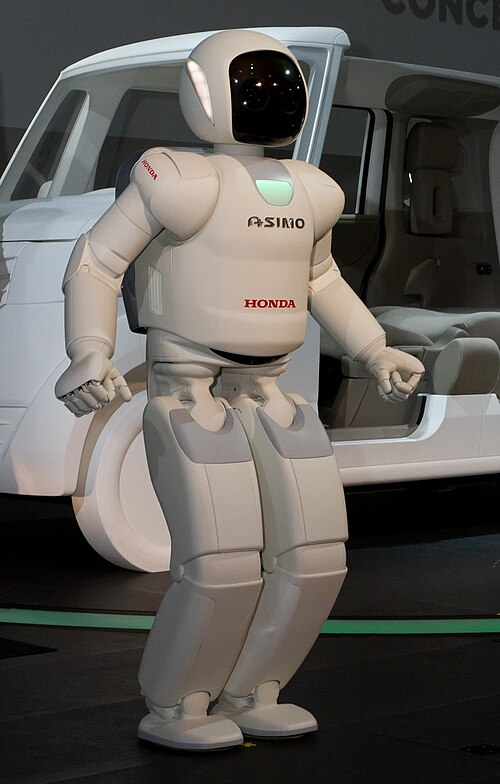
What makes a machine a true robot instead of just an ordinary toaster or remote-controlled toy car? Robotics engineers define a robot by three key abilities: 1) Sense its environment, 2) Think (compute decisions), and 3) Act (move physical parts in the real world)!
A foundational concept in this investigation is (pronounced AK-choo-ay-ter), which refers to: The electric motor, hydraulic piston, or mechanical "muscle" that makes a robot’s joints and grippers move. Every part of The Future of Robots within Inventions & Tech builds upon this essential concept.
In Grade 5 advanced nonfiction inquiry across Science & Technology (Inventions & Tech), synthesizing primary evidence around , , and reveals how complex systems operate and adapt over time.
Key Features
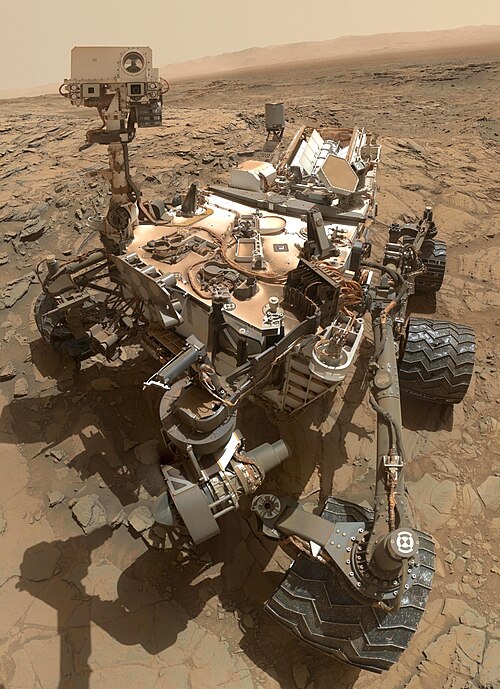
Instead of eyes and ears, robots use sensors: LiDAR laser scanners, cameras, ultrasonic rangefinders, and touch-pressure sensors. Instead of brains, they use microprocessors and Artificial Intelligence (AI). Instead of muscles, they use actuators—electric motors, hydraulic pistons, and pneumatic air tubes.
To analyze these defining traits accurately, specialists examine (SEN-ser): A device such as a camera, laser scanner (LiDAR), or microphone that lets a robot detect its surroundings. Alongside (The electric motor, hydraulic piston, or mechanical "muscle" that makes a robot’s joints and grippers move.), these specialized characteristics set The Future of Robots apart within Inventions & Tech.
Field Observation & Evidence: Researchers studying The Future of Robots observe how physical form matches function in Science & Technology. Each observable feature provides a clear advantage that supports stability, survival, or performance across changing conditions.
How It Works
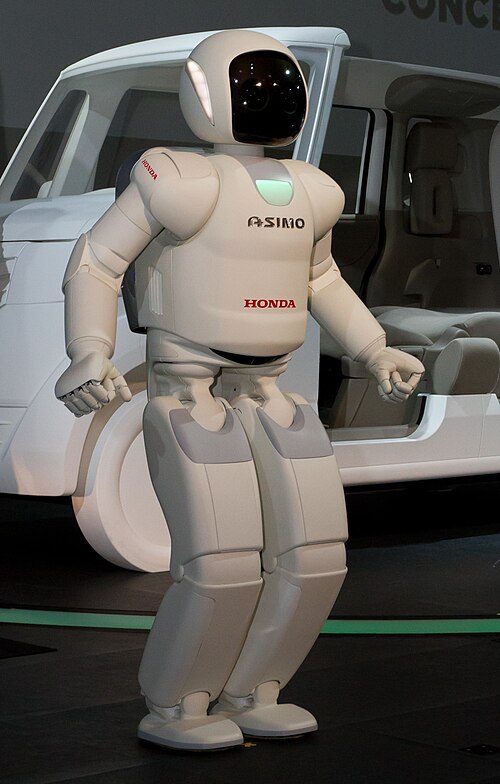
The word "robot" was coined in 1920 from the Czech word robota (meaning hard work). In factories, robotic arms weld and assemble cars with sub-millimeter precision. In hospitals, the da Vinci surgical robot lets doctors perform delicate operations through tiny keyhole incisions using robotic instruments that never have hand tremors!
This step-by-step process relies on (pronounced by-oh-MIM-ik-ree), defined as: Designing robots and machines by copying smart structures and movements found in living animals and plants. Each stage of the process prepares the way for the next phase to unfold.
Cause-and-Effect Balance: When conditions remain balanced, and interact inside the to keep the system running smoothly. If any single link in this sequence is disrupted, the entire pace of activity shifts.
In Our World
Today’s robots go places too dangerous for humans: deep-sea ROVs explore ocean trenches, bomb-disposal robots protect police officers, soft "biomimetic" robots modeled after octopuses and cheetahs navigate disaster rubble, and NASA rovers explore Mars!
Understanding how The Future of Robots functions in real environments also involves (SEN-ser): A device such as a camera, laser scanner (LiDAR), or microphone that lets a robot detect its surroundings. Even when surrounding conditions shift across seasons or regions, the interaction between , Sensor, and helps sustain balance and resilience in the wider environment.
Global & Practical Significance: The Sense-Think-Act paradigm distinguishes autonomous robots from simple non-sensing machines. Furthermore, Actuators convert electrical, hydraulic, or pneumatic energy into physical motion.
Amazing Facts
1. Remarkable Scale & Numbers: Engineers are building "biomimetic" robots inspired by nature—including gecko-footed climbing robots, robotic fish that swim silently through coral reefs, and four-legged robot dogs! This discovery highlights why is central to understanding The Future of Robots.
2. Extraordinary Adaptation & Design: The first industrial robot, named Unimate, began working on a General Motors assembly line in 1961 lifting hot metal car parts. Specialized conditions involving make these adaptations possible.
3. Surprising Scientific & Historical Record: Nanobots are microscopic future robots being designed to swim through human bloodstreams and deliver medicine directly to sick cells. Over time, processes linked to leave a lasting mark across Inventions & Tech.
Read & Review
Chapter Synthesis: Throughout this investigation of The Future of Robots in Science & Technology (Inventions & Tech), we examined its core foundations, defining traits, step-by-step mechanisms, and real-world connections using key terms like , , and .
Academic Vocabulary Review: • (AK-choo-ay-ter): The electric motor, hydraulic piston, or mechanical "muscle" that makes a robot’s joints and grippers move. • (SEN-ser): A device such as a camera, laser scanner (LiDAR), or microphone that lets a robot detect its surroundings. • (by-oh-MIM-ik-ree): Designing robots and machines by copying smart structures and movements found in living animals and plants.
Critical Thinking Check: (1) What three steps define how an autonomous robot works ("Sense — Think — Act")? — Use sensors to detect surroundings, use a computer processor to make decisions, and use actuators/motors to move. (2) What are a robot’s "actuators"? — The electric motors and hydraulic pistons that act like muscles to move the robot’s arms and wheels.