Introduction
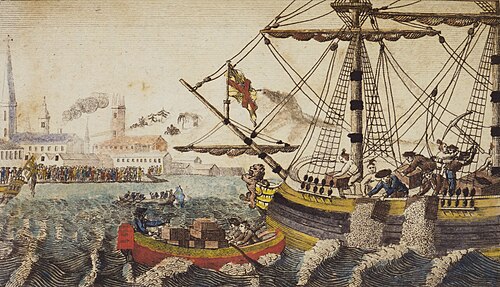
On the cold, moonlit evening of December 16, 1773, more than 100 American colonists—many disguised in blankets and soot as Mohawk warriors—boarded three British merchant ships in Boston Harbor and dumped 342 chests of tea into the salty water! Known as the Boston Tea Party, this bold protest pushed the 13 colonies toward the American Revolution.
A foundational concept in this investigation is (pronounced noh tak-SAY-shuhn), which refers to: The colonial principle that the British Parliament had no right to tax Americans unless Americans could elect representatives to Parliament. Every part of The Boston Tea Party within The Road to Freedom & Revolution builds upon this essential concept.
In Grade 3 History (American & Virginia) studies (The Road to Freedom & Revolution), understanding how , , and work together helps explain real-world patterns. As you read each chapter, notice how these key terms connect structure, process, and environment.
Key Features
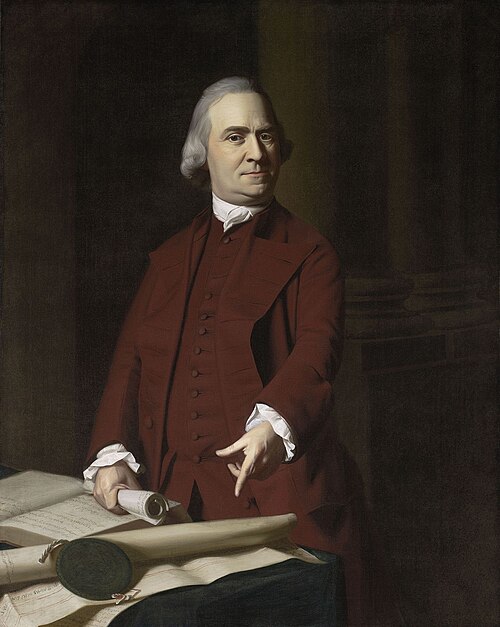
Why were colonists so angry about tea? After the expensive French and Indian War, Great Britain’s Parliament passed taxes on the American colonies, including the Tea Act of 1773. Because the 13 colonies were not allowed to elect a single representative to vote in the British Parliament in London, patriots led by Samuel Adams and the rallied around the cry: "!"
To analyze these defining traits accurately, specialists examine (sunz uv LIB-er-tee): A network of American colonial patriots, including Samuel Adams, Paul Revere, and John Hancock, who organized protests against British taxes. Alongside (The colonial principle that the British Parliament had no right to tax Americans unless Americans could elect representatives to Parliament.), these specialized characteristics set The Boston Tea Party apart within The Road to Freedom & Revolution.
Field Observation & Evidence: Researchers studying The Boston Tea Party observe how physical form matches function in History (American & Virginia). Each observable feature provides a clear advantage that supports stability, survival, or performance across changing conditions.
How It Works
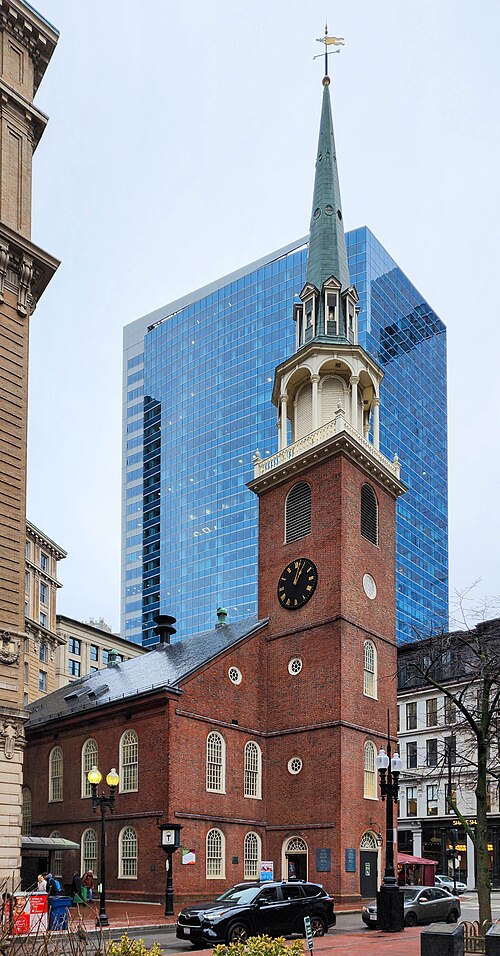
When three ships carrying East India Company tea—the Dartmouth, the Eleanor, and the Beaver—docked at Griffin’s Wharf in Boston, 5,000 citizens packed the Old South Meeting House. Royal Governor Thomas Hutchinson refused to let the ships sail back to London with the untaxed tea. That night, in three hours of quiet, disciplined work, the hoisted 342 chests (over 41,000 kilograms / 92,000 pounds of tea) onto the decks, split them open with axes, and poured the tea overboard!
This step-by-step process relies on (pronounced BOY-kot), defined as: A peaceful protest in which people refuse to buy or use certain goods (such as British-taxed tea). Each stage of the process prepares the way for the next phase to unfold.
Cause-and-Effect Balance: When conditions remain balanced, and interact inside the to keep the system running smoothly. If any single link in this sequence is disrupted, the entire pace of activity shifts.
In Our World
Remarkably, the protesters damaged zero other cargo, harmed no crew members, and even replaced a single broken padlock the next day! Outraged, King George III and Parliament passed the punitive Coercive Acts ("Intolerable Acts"), closing Boston Harbor—which united all 13 colonies to convene the First Continental Congress in 1774.
Understanding how The Boston Tea Party functions in real environments also involves (sunz uv LIB-er-tee): A network of American colonial patriots, including Samuel Adams, Paul Revere, and John Hancock, who organized protests against British taxes. Even when surrounding conditions shift across seasons or regions, the interaction between , Sons of Liberty, and helps sustain balance and resilience in the wider environment.
Global & Practical Significance: The core dispute was constitutional: taxation by a distant Parliament in which colonists had no voice. Furthermore, Instead of isolating Massachusetts, the Intolerable Acts rallied sister colonies like Virginia to send food and unite.
Amazing Facts
1. Remarkable Scale & Numbers: The 342 chests of tea dumped during the Boston Tea Party held enough tea leaves to brew more than 18.5 million cups of tea! This discovery highlights why is central to understanding The Boston Tea Party.
2. Extraordinary Adaptation & Design: The protesters were so careful to show their protest was strictly against the Tea Tax—not theft—that they swept the ships’ decks clean afterward and replaced one broken padlock! Specialized conditions involving make these adaptations possible.
3. Surprising Scientific & Historical Record: Other colonial ports held tea protests too, including Yorktown, Virginia, Charleston, Annapolis, and Chestertown! Over time, processes linked to leave a lasting mark across The Road to Freedom & Revolution.
Read & Review
Chapter Synthesis: Throughout this investigation of The Boston Tea Party in History (American & Virginia) (The Road to Freedom & Revolution), we examined its core foundations, defining traits, step-by-step mechanisms, and real-world connections using key terms like , , and .
Academic Vocabulary Review: • (noh tak-SAY-shuhn): The colonial principle that the British Parliament had no right to tax Americans unless Americans could elect representatives to Parliament. • (sunz uv LIB-er-tee): A network of American colonial patriots, including Samuel Adams, Paul Revere, and John Hancock, who organized protests against British taxes. • (BOY-kot): A peaceful protest in which people refuse to buy or use certain goods (such as British-taxed tea).
Critical Thinking Check: (1) Why did American colonists protest the British Tea Act of 1773 at the Boston Tea Party? — Because the British Parliament taxed the colonies without allowing colonists to elect any representatives to Parliament (""). (2) How did the British government respond to the Boston Tea Party in 1774? — Parliament passed the Coercive ("Intolerable") Acts and closed Boston Harbor, which united the 13 colonies in the First Continental Congress.