Introduction
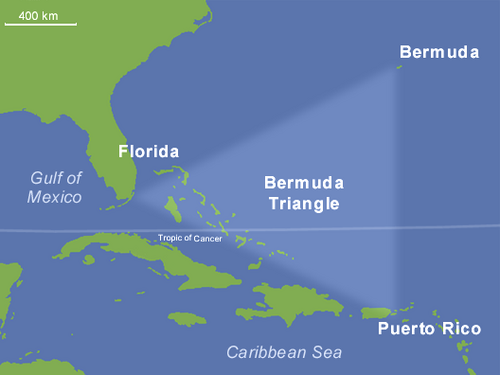
Stretching across roughly 500,000 square miles of the western North Atlantic Ocean between Miami (Florida), Bermuda, and San Juan (Puerto Rico) is one of the busiest and aviation crossroads on Earth: the region famously nicknamed the Bermuda Triangle.
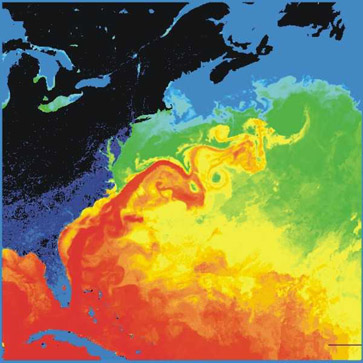
An important word to know in this book is (GULF streem). Gulf Stream means: A powerful, warm, fast-moving Atlantic Ocean current that originates in the Gulf of Mexico and flows northward along the US East Coast. Learning about Gulf Stream helps us understand how The Bermuda Triangle, North Atlantic Ocean: Science vs. Legend fits into 🧭 Unsolved & Unexplained: 10 Mysterious Places on Earth.
Key Features
Every day, ratusan of cargo ships, cruise liners, fishing vessels, and commercial airliners cross this triangular ocean corridor safely. Yet in the mid-20th century, historical disappearances—such as the 1918 loss of the Navy cargo ship USS Cyclops and the 1945 navigational loss of five Navy TBM Avenger torpedo bombers known as Flight 19—sparked sensational magazine articles and legends.
Scientists and explorers also look closely at (MAIR-ih-tyme), which means: Connected with the sea, ocean navigation, shipping, or seafaring trade. These special traits make The Bermuda Triangle, North Atlantic Ocean: Science vs. Legend easy to spot and study.
How It Works
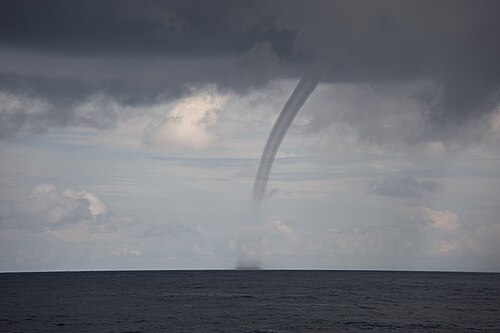
The Mystery: Tales of spinning compasses and missing fleets fueled pop-culture rumors of sea monsters, magnetic vortexes, alien abductions, and sunken technology from Atlantis. The Science: Investigations by the U.S. Coast Guard, NOAA, and marine insurers (such as Lloyd’s of London) prove that ships and planes vanish no more frequently in the Bermuda Triangle than in any other heavily traveled ocean region of comparable size! Scientists point to four documented natural and human factors: 1) The powerful ocean current (flowing like a giant river at up to 5.6 mph) can rapidly scatter debris and generate towering rogue waves when colliding with opposing winds; 2) Sudden tropical squalls, waterspouts, and Atlantic hurricanes; 3) Shallow, razor-sharp Caribbean coral reefs surrounded by the deep Puerto Rico Trench; and 4) Natural lines where compass magnetic north and true geographic north briefly align, which confused early navigators.
Here is another helpful term: (mag-NET-ik dek-lih-NAY-shuhn). It means: The normal angle of difference between magnetic north (where a compass needle points) and true geographic north (the North Pole). Step by step, and Magnetic Declination work together in nature.
In Our World
Today, satellite GPS navigation, Doppler weather radar, and emergency satellite distress beacons (EPIRBs) guide ships and aircraft across the region with pinpoint accuracy—turning an old legend into a textbook lesson on separating sensational rumors from scientific data.
Understanding how The Bermuda Triangle, North Atlantic Ocean: Science vs. Legend works in our world also involves (MAIR-ih-tyme): Connected with the sea, ocean navigation, shipping, or seafaring trade. When statisticians compare the number of accidents to the massive volume of daily boat and airplane traffic between Florida, the Bahamas, Bermuda, and Puerto Rico, the accident rate in the Bermuda Triangle is completely normal.
Amazing Facts
Amazing Fact #1: Lloyd’s of London, the world’s most famous insurance market since the 1680s, does NOT charge higher insurance rates for ships sailing through the Bermuda Triangle because statistical risk is no higher than anywhere else!
Amazing Fact #2: The current flowing through the Straits of Florida carries more water than all the rivers on Earth combined—moving fast enough to erase floating wreckage within hours!
Amazing Fact #3: Compasses do not "spin wildly" in the Bermuda Triangle; instead, navigators must account for normal —the angle between magnetic north and true geographic north.
Read & Review
Let's review what we discovered about The Bermuda Triangle, North Atlantic Ocean: Science vs. Legend! In this book, we explored how , , and connect to 🧭 Unsolved & Unexplained: 10 Mysterious Places on Earth.
Key Question #1: What do U.S. Coast Guard and NOAA records reveal about the rate of ship and airplane accidents inside the Bermuda Triangle? Answer: Accidents happen no more frequently there than in any other heavily traveled ocean trade route with sudden storms and strong currents. High traffic volume combined with weather, hurricanes, and shallow reefs accounts for historical losses without any supernatural cause.
Key Question #2: How does the ocean current contribute to real-world hazards between Florida, Bermuda, and Puerto Rico? Answer: It flows like a fast underwater river that can create steep waves during storms and quickly carry floating debris miles away from search areas. The swift Gulf Stream current intensifies wave heights against opposing winds and rapidly disperses surface debris.