Introduction
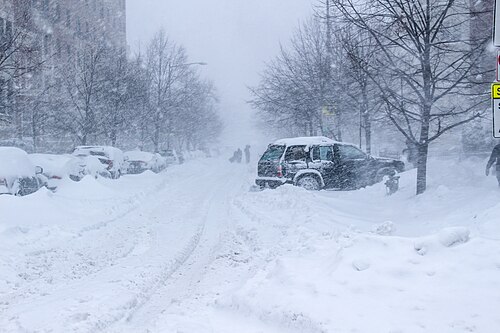
Not every heavy snowfall is a blizzard! According to the National Weather Service, an official blizzard is a severe winter storm with sustained winds of at least 56 km/h (35 mph) that blow falling or drifting snow so thick that visibility drops below 400 meters (one-quarter mile) for at least 3 hours.
An important word to know in this book is (WHYTE-owt). Whiteout means: A blizzard condition in which blowing snow reduces visibility so much that the horizon and sky cannot be distinguished. Learning about Whiteout helps us understand how Surviving Blizzards fits into Extreme Weather.
Key Features
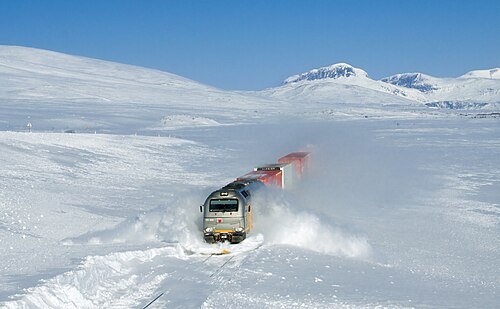
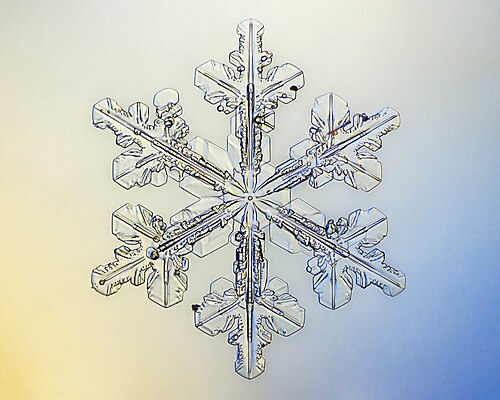
Inside winter storm clouds, water vapor freezes directly onto microscopic dust particles to form six-sided ice crystals (snowflakes). When fierce winds whip snow horizontally, the sky and ground blend into a disorienting "."
Scientists and explorers also look closely at (wind chil), which means: How cold the air feels on human skin when wind speed combines with freezing temperatures to carry away body heat. These special traits make Surviving Blizzards easy to spot and study.
How It Works
Strong wind stripsaway the thin insulating layer of warm air around your skin, creating —making -10°C (14°F) feel like a dangerous -26°C (-15°F)! Even when no new snow is falling from the sky, howling winds can lift existing loose snow off the ground to create a "."
Here is another helpful term: (grownd BLIZ-erd). It means: Blizzard conditions caused by strong winds blowing snow that has already fallen on the ground, even under clear skies. Step by step, and Ground Blizzard work together in nature.
In Our World
People and animals prepare for blizzards carefully: homeowners stock emergency flashlights, water, and blankets; road crews spread salt (which lowers the freezing point of water to melt ice); and grouse and small mammals tunnel underneath deep snowdrifts where trapped air pockets stay near 0°C (32°F).
Understanding how Surviving Blizzards works in our world also involves (wind chil): How cold the air feels on human skin when wind speed combines with freezing temperatures to carry away body heat. Even when surrounding conditions shift across seasons or regions, the interaction between , Wind Chill, and helps sustain balance and resilience in the wider environment.
Amazing Facts
Amazing Fact #1: Every snowflake has six sides (hexagonal symmetry) because of the way water molecules bond together when they freeze!
Amazing Fact #2: Freshly fallen snow is up to 90% trapped air—which is why snow is a surprisingly good insulator for igloos and animal snow burrows.
Amazing Fact #3: In 1888, the "Great White Hurricane" blizzard dumped up to 140 centimeters (55 inches) of snow along the US East Coast with snowdrifts reaching second-story windows!
Read & Review
Let's review what we discovered about Surviving Blizzards! In this book, we explored how , , and connect to Extreme Weather.
Key Question #1: What three requirements must a winter storm meet to be classified as an official blizzard? Answer: Winds of 35+ mph, visibility under 1/4 mile from blowing snow, lasting at least 3 hours. Blizzards are defined by wind speed, low visibility, and duration rather than total snow depth alone.
Key Question #2: Why do road crews spread salt on icy streets during winter storms? Answer: Salt lowers the freezing point of water, causing ice to melt at colder temperatures. Dissolved salt causes freezing-point depression so water stays liquid below 32°F (0°C).