Introduction
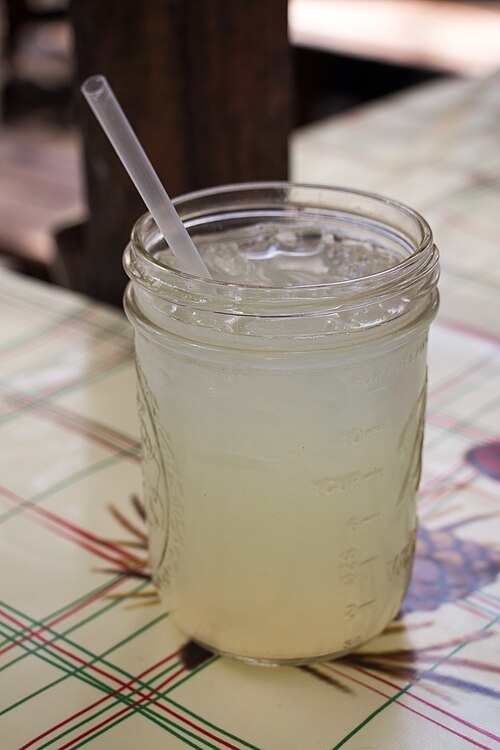
Why does an umbrella cost more during a sudden rainstorm, while winter coats go on half-price clearance sale in April? Almost every price tag you see in a store is shaped by two invisible economic forces working together like a seesaw: and ! And there is no better way to see them in action than running a neighborhood Lemonade Stand.
An important word to know in this book is (suh-PLY). Supply means: The total quantity of a product or service that producers have available to offer for sale. Learning about Supply helps us understand how Supply and : The Lemonade Stand Model fits into Economics for Kids.
Key Features
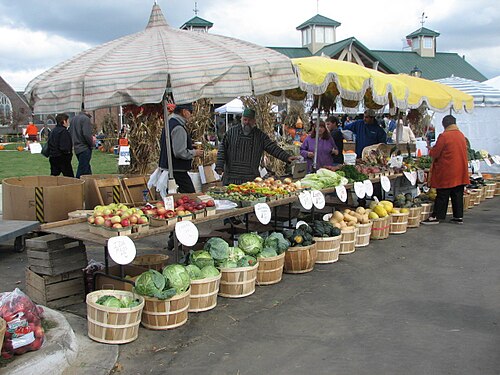
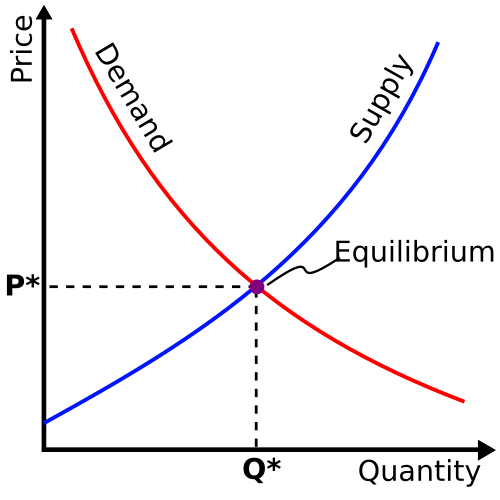
First, let’s learn the two big definitions: is the total amount of a good or service (like cups of cold lemonade) that sellers have available to sell. is how much buyers (thirsty neighbors!) want and are able to buy at a given price.
Scientists and explorers also look closely at (dih-MAND), which means: How strongly consumers desire and are willing to pay for a product or service. These special traits make and Demand: The Lemonade Stand Model easy to spot and study.
How It Works
Imagine it is a scorching 95°F Saturday in July and a soccer tournament is happening at the park across from your lemonade stand! Thirsty players line up down the block: is HIGH, while your pitcher of lemonade () is running low. You can charge $2.00 a cup and still sell out! Now imagine the next Saturday is 48°F and pouring rain, AND three other kids open lemonade stands on your same street: Supply is HIGH, Demand is LOW, creating a surplus—so you lower your price to $0.50 a cup to attract buyers!
Here is another helpful term: (PROF-it). It means: The money a business earns after subtracting all of its costs and expenses from its total sales revenue. Step by step, and Profit work together in nature.
In Our World
When the number of cups kids want to buy matches the number of cups you made at a fair price (say, $1.00 a cup), economists call that happy balance the Equilibrium Price! To earn a , you subtract your Expenses (the cost of lemons, sugar, water, and cups) from your Revenue (total money collected in your jar).
Understanding how and : The Lemonade Stand Model works in our world also involves Demand (dih-MAND): How strongly consumers desire and are willing to pay for a product or service. Even when surrounding conditions shift across seasons or regions, the interaction between Supply, Demand, and helps sustain balance and resilience in the wider environment.
Amazing Facts
Amazing Fact #1: is NOT all the money in your lemonade jar! Profit = Revenue (total money collected) MINUS Expenses (what you spent on lemons, sugar, and cups).
Amazing Fact #2: When there isn’t enough of something to go around (like when a frost hurts Florida lemon trees), economists call that scarcity—which pushes prices up!
Amazing Fact #3: When stores make too many of a toy and nobody buys them, that leftover pile is called a surplus—which is why stores put up "SALE!" signs to lower prices and clear the shelves!
Read & Review
Let's review what we discovered about and : The Lemonade Stand Model! In this book, we explored how Supply, Demand, and connect to Economics for Kids.
Key Question #1: On a hot 95°F summer afternoon with only one lemonade stand at a crowded park, what happens to , and how does it affect the price? Answer: Demand is very high while is limited, which tends to push the price higher. High demand combined with limited supply creates scarcity and upward pressure on price.
Key Question #2: If you spend $6.00 buying lemons, sugar, and cups (Expenses), and you sell 20 cups of lemonade for $1.00 each ($20.00 Revenue), what is your actual ? Answer: $14.00 ($20.00 revenue minus $6.00 expenses). Profit = Revenue ($20) - Expenses ($6) = $14.