Introduction
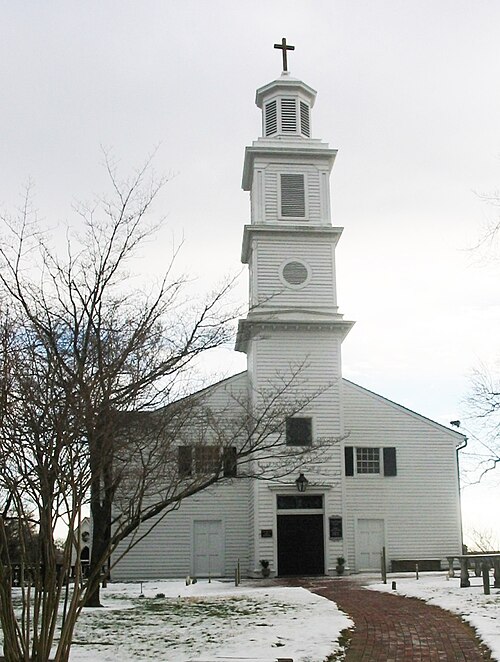
Atop Church Hill in Richmond, Virginia, stands a white wooden colonial church built in 1741 where seven immortal words echoed through history and ignited the American Revolution: "Give me liberty, or give me death!" Welcome to Historic St. John’s Church!
A foundational concept in this investigation is (pronounced SEK-uhnd ver-JIN-yuh kuhn-VEN-shuhn), which refers to: The March 1775 revolutionary meeting of 120 Virginia delegates inside Richmond’s St. John’s Church to decide whether to arm the colony against Britain. Every part of St. John’s Church: "Give Me Liberty, or Give Me Death!" within 🔔 Revolution, Statehood & Civil War Turning Points builds upon this essential concept.
In Grade 3 History (American & Virginia) studies (🔔 Revolution, Statehood & Civil War Turning Points), understanding how , , and work together helps explain real-world patterns. As you read each chapter, notice how these key terms connect structure, process, and environment.
Key Features
Why did 120 of Virginia’s top colonial leaders—including George Washington, Thomas Jefferson, Richard Henry Lee, Benjamin Harrison, and Patrick Henry—travel away from the colonial capital of Williamsburg to pack inside Richmond’s St. John’s Church in March 1775? Because Royal Governor Lord Dunmore had dissolved the House of Burgesses in Williamsburg and British warships patrolled nearby! Meeting safely up the James River in Richmond for the , St. John’s Church was the only building in town large enough to hold all 120 delegates!
To analyze these defining traits accurately, specialists examine (OR-uh-tor-ee): The art of powerful, persuasive public speaking—mastered by Patrick Henry, known as the "Trumpet of the Revolution." Alongside (The March 1775 revolutionary meeting of 120 Virginia delegates inside Richmond’s St. John’s Church to decide whether to arm the colony against Britain.), these specialized characteristics set St. John’s Church: "Give Me Liberty, or Give Me Death!" apart within 🔔 Revolution, Statehood & Civil War Turning Points.
Field Observation & Evidence: Researchers studying St. John’s Church: "Give Me Liberty, or Give Me Death!" observe how physical form matches function in History (American & Virginia). Each observable feature provides a clear advantage that supports stability, survival, or performance across changing conditions.

How It Works
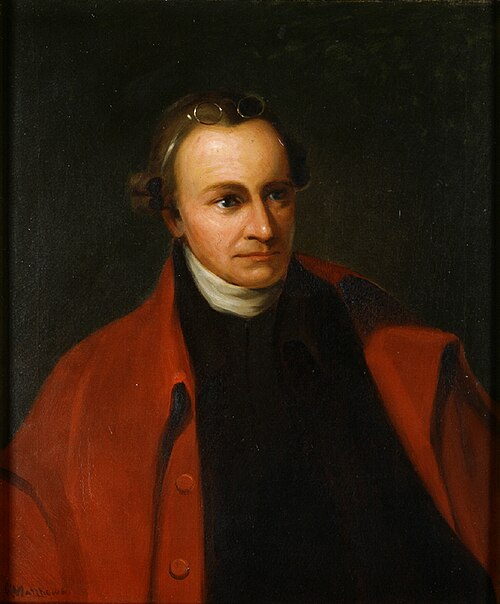
On March 23, 1775, the delegates were deadlocked: cautious leaders still hoped King George III would compromise peacefully, while Patrick Henry (a self-taught lawyer from Hanover County famous for his booming voice) introduced resolutions to immediately organize and arm Virginia’s volunteer to defend the colony! Rising inside Pew #47 without a single written note, Henry delivered an electrifying speech warning that British troops in Boston were already chains of , concluding with clenched fists pressed to his heart like a dagger before flinging his arms wide: "I know not what course others may take; but as for me, give me liberty, or give me death!"
This step-by-step process relies on (pronounced muh-LISH-uh), defined as: A military force made up of ordinary citizens and farmers organized to defend their colony or state in an emergency. Each stage of the process prepares the way for the next phase to unfold.
Cause-and-Effect Balance: When conditions remain balanced, and interact inside the to keep the system running smoothly. If any single link in this sequence is disrupted, the entire pace of activity shifts.
In Our World
When Patrick Henry sat down, not a single person applauded—the delegates sat in stunned, breathless silence before voting by a narrow margin to pass Henry’s and appoint George Washington, Thomas Jefferson, and Patrick Henry to the defense committee! Just 27 days later (April 19, 1775), the first shots of the Revolutionary War rang out at Lexington and Concord—proving Patrick Henry’s prediction right! Today, visitors can stand inside the original 1741 wooden sanctuary of St. John’s Church, sit in the pews of Washington and Jefferson, and watch professional historical actors reenact the famous March 23, 1775 debate!
Understanding how St. John’s Church: "Give Me Liberty, or Give Me Death!" functions in real environments also involves (OR-uh-tor-ee): The art of powerful, persuasive public speaking—mastered by Patrick Henry, known as the "Trumpet of the Revolution." Even when surrounding conditions shift across seasons or regions, the interaction between , Oratory, and helps sustain balance and resilience in the wider environment.
Global & Practical Significance: Meeting in Richmond protected the Patriot delegates from British naval interference on the York and James River peninsulas. Furthermore, Henry argued that peaceful petitions had been ignored for ten years and that only an armed could defend Virginia’s liberty.
Amazing Facts
1. Remarkable Scale & Numbers: Patrick Henry spoke completely from memory without written notes on March 23, 1775—historian William Wirt reconstructed the speech in 1817 by interviewing elderly delegates (including Thomas Jefferson and Judge St. George Tucker) who had sat right in the room and could never forget Henry’s words! This discovery highlights why is central to understanding St. John’s Church: "Give Me Liberty, or Give Me Death!".
2. Extraordinary Adaptation & Design: Just 28 days after Patrick Henry warned in St. John’s Church that Virginia must defend its gunpowder, Royal Governor Lord Dunmore secretly sent British Royal Marines in the middle of the night (April 20, 1775) to steal the gunpowder from Williamsburg’s Magazine! Specialized conditions involving make these adaptations possible.
3. Surprising Scientific & Historical Record: In the historic churchyard cemetery surrounding St. John’s Church rests Elizabeth Arnold Poe (mother of famous writer Edgar Allan Poe) and George Wythe—America’s first law professor, signer of the Declaration of Independence, and teacher of Thomas Jefferson and John Marshall! Over time, processes linked to leave a lasting mark across 🔔 Revolution, Statehood & Civil War Turning Points.
Read & Review
Chapter Synthesis: Throughout this investigation of St. John’s Church: "Give Me Liberty, or Give Me Death!" in History (American & Virginia) (🔔 Revolution, Statehood & Civil War Turning Points), we examined its core foundations, defining traits, step-by-step mechanisms, and real-world connections using key terms like , , and .
Academic Vocabulary Review: • (SEK-uhnd ver-JIN-yuh kuhn-VEN-shuhn): The March 1775 revolutionary meeting of 120 Virginia delegates inside Richmond’s St. John’s Church to decide whether to arm the colony against Britain. • (OR-uh-tor-ee): The art of powerful, persuasive public speaking—mastered by Patrick Henry, known as the "Trumpet of the Revolution." • (muh-LISH-uh): A military force made up of ordinary citizens and farmers organized to defend their colony or state in an emergency.
Critical Thinking Check: (1) Why did the meet inside St. John’s Church in Richmond in March 1775 instead of at the Capitol in Williamsburg? — To meet safely inland away from Royal Governor Lord Dunmore and British warships near Williamsburg, and because St. John’s was the largest building in Richmond. (2) What action was Patrick Henry urging his fellow Virginia delegates (including George Washington and Thomas Jefferson) to approve on March 23, 1775? — To immediately organize, arm, and train Virginia’s because war with Great Britain had already begun in everything but name.