Introduction
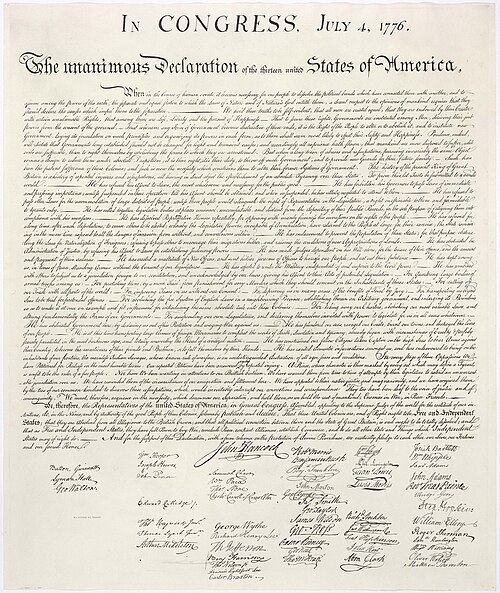
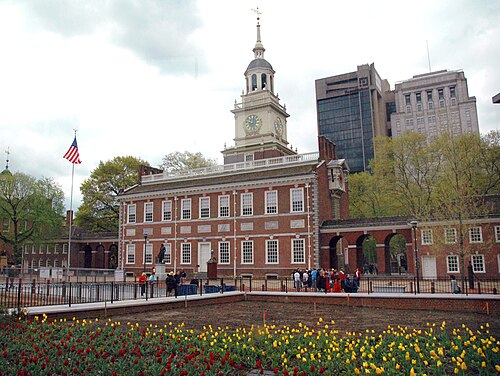
In the hot summer of 1776 inside Philadelphia’s Independence Hall, 56 delegates of the Second Continental Congress made a history-changing decision: the 13 American colonies would break away from Great Britain to become a new, self-governing nation—the United States of America!
An important word to know in this book is (un-AYL-yuh-nuh-buhl rytes). Unalienable Rights means: Natural human rights—including Life, Liberty, and the pursuit of Happiness—that belong to every person and cannot be justly taken away. Learning about Unalienable Rights helps us understand how Signing the Declaration of Independence fits into The Road to Freedom & Revolution.
Key Features
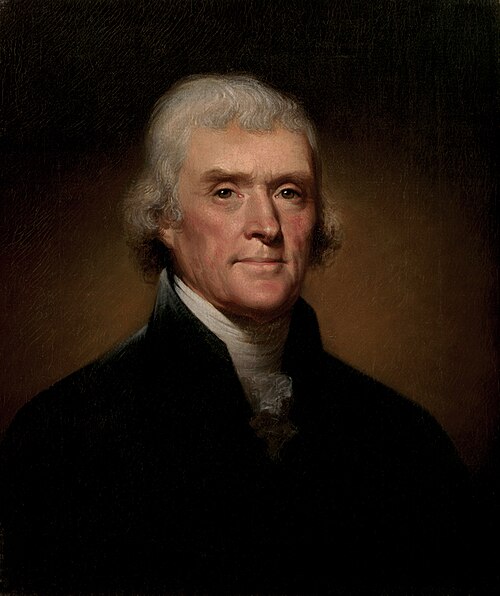
Congress appointed a "Committee of Five"—Thomas Jefferson of Virginia, John Adams of Massachusetts, Benjamin Franklin of Pennsylvania, Roger Sherman, and Robert Livingston—to draft a formal statement explaining to the world why the colonies were declaring independence. Thirty-three-year-old Thomas Jefferson wrote the famous draft on a portable lap desk.
Scientists and explorers also look closely at (kuhn-SENT uv thuh GUV-ernd), which means: The democratic principle that a government’s legitimate power comes from the permission and votes of the people it serves. These special traits make Signing the Declaration of Independence easy to spot and study.
How It Works
Jefferson’s expressed timeless ideals of human liberty: "We hold these truths to be self-evident, that all men are created equal, that they are endowed by their Creator with certain , that among these are Life, Liberty and the pursuit of Happiness." He explained that governments get their fair power from the ""—the people themselves!
Here is another helpful term: (PREE-am-buhl). It means: The introductory section of a historic document that states its core purpose and guiding philosophy. Step by step, and Preamble work together in nature.
In Our World
Congress voted for independence on July 2, 1776, and officially adopted the Declaration of Independence on July 4, 1776! Most delegates signed the large parchment copy on August 2, with Congress President John Hancock signing his name first in bold, giant script. The Liberty Bell rang out as citizens celebrated the birth of the United States.
Understanding how Signing the Declaration of Independence works in our world also involves (kuhn-SENT uv thuh GUV-ernd): The democratic principle that a government’s legitimate power comes from the permission and votes of the people it serves. Even when surrounding conditions shift across seasons or regions, the interaction between , Consent of the Governed, and helps sustain balance and resilience in the wider environment.
Amazing Facts
Amazing Fact #1: Thomas Jefferson and John Adams—who worked together on the Declaration of Independence and both became US Presidents—died on the exact same day: July 4, 1826, the 50th anniversary of the Declaration!
Amazing Fact #2: When the Declaration was first read aloud to the public in Philadelphia on July 8, 1776, only printed copies (Dunlap Broadsides) existed; the famous parchment now in the National Archives was signed mostly on August 2!
Amazing Fact #3: On the back of the original Declaration of Independence parchment is a real note written upside-down at the bottom: "Original Declaration of Independence dated 4th July 1776" (no secret treasure map!).
Read & Review
Let's review what we discovered about Signing the Declaration of Independence! In this book, we explored how , , and connect to The Road to Freedom & Revolution.
Key Question #1: Who was the primary author of the Declaration of Independence in 1776? Answer: Thomas Jefferson of Virginia. Thomas Jefferson drafted the Declaration as part of the Committee of Five, with edits by John Adams, Benjamin Franklin, and Congress.
Key Question #2: According to the Declaration of Independence, what three "" are people endowed with, and where do governments get their just powers? Answer: Life, Liberty, and the pursuit of Happiness; governments derive their just powers from the . The Declaration’s established the core American ideals of natural rights and popular sovereignty.