Introduction
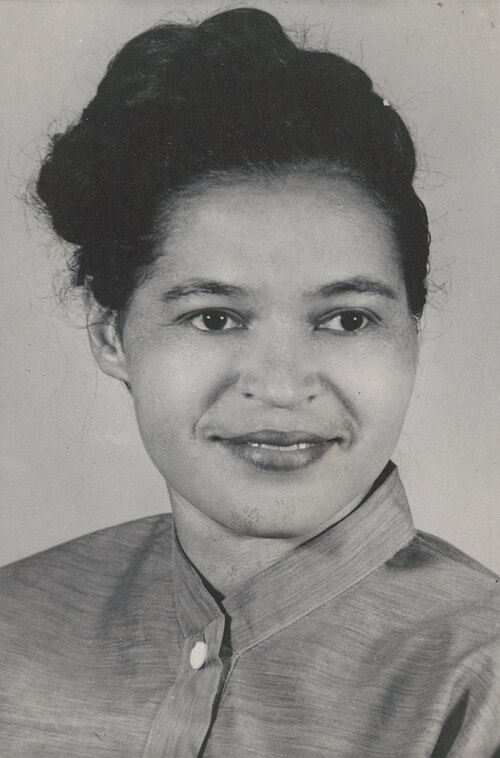
On the evening of December 1, 1955, in Montgomery, Alabama, a respected seamstress and civil rights activist named Rosa Parks (1913–2005) quietly refused to give up her seat on a segregated city bus. That single act of calm courage sparked the 381-day and earned Rosa Parks the title "the Mother of the Modern Civil Rights Movement"!
An important word to know in this book is (munt-GUM-uh-ree bus BOY-kot). Montgomery Bus Boycott means: The 381-day protest (1955–1956) sparked by Rosa Parks’s arrest, in which Black citizens refused to ride segregated buses until the Supreme Court outlawed bus segregation. Learning about Montgomery Bus Boycott helps us understand how Rosa Parks fits into Changemakers & Activists.
Key Features
Contrary to myth, Rosa Parks was not just a tired passenger who happened to sit down by accident—she had served for 12 years as secretary of the Montgomery chapter of the NAACP, helping voters register and investigating injustices! As she later wrote in her autobiography: "People always say that I didn’t give up my seat because I was tired, but that isn’t true. I was not tired physically... No, the only tired I was, was tired of giving in."
Scientists and explorers also look closely at (SIV-uhl dis-uh-BEE-dee-uhns), which means: Peacefully and openly refusing to obey an unjust law in order to bring about fair legal change. These special traits make Rosa Parks easy to spot and study.
How It Works
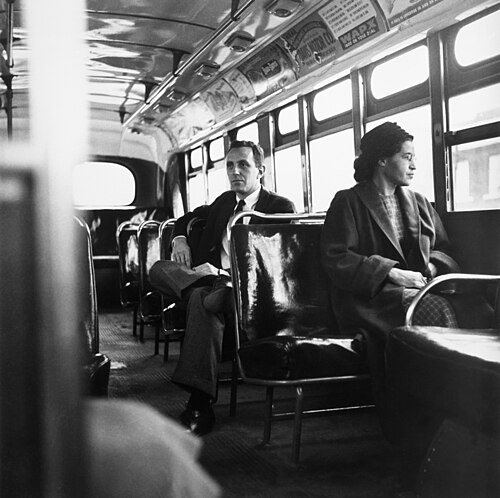
Under Montgomery’s unfair Jim Crow bus laws, Black passengers had to pay their fare at the front door, step off, re-enter through the back door, and give up seats in the middle section if white passengers boarded. When bus driver James F. Blake ordered Rosa Parks and three other Black passengers in row 11 to stand so one white man could sit, Rosa remained seated and was arrested.
Here is another helpful term: (un-kon-stuh-TOO-shuh-nuhl). It means: Violating the guaranteed rights and equal protection rules of the United States Constitution. Step by step, and Unconstitutional work together in nature.
In Our World
News of her arrest galvanized Montgomery’s Black community! Jo Ann Robinson and the Women’s Political Council printed 50,000 leaflets overnight, and a young Dr. Martin Luther King Jr. led the Montgomery Improvement Association. For 381 days—through rain and heat—40,000 Black citizens walked miles to work or shared organized carpools instead of riding the buses until the US Supreme Court ruled in Browder v. Gayle (November 1956) that bus segregation was !
Understanding how Rosa Parks works in our world also involves (SIV-uhl dis-uh-BEE-dee-uhns): Peacefully and openly refusing to obey an unjust law in order to bring about fair legal change. Even when surrounding conditions shift across seasons or regions, the interaction between , Civil Disobedience, and helps sustain balance and resilience in the wider environment.
Amazing Facts
Amazing Fact #1: Rosa Parks famously explained her decision on December 1, 1955: "I was not tired physically... the only tired I was, was tired of giving in."
Amazing Fact #2: The actual green-and-cream 1948 GM Bus No. 2857 on which Rosa Parks kept her seat has been restored and is on display at the Henry Ford Museum in Dearborn, Michigan!
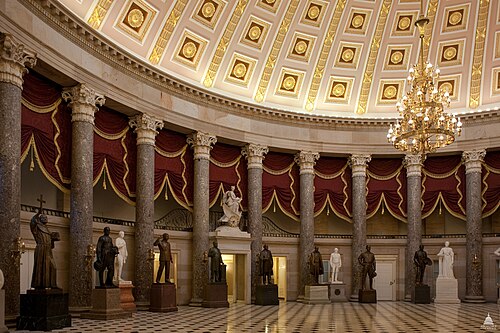
Amazing Fact #3: Awarded both the Presidential Medal of Freedom and the Congressional Gold Medal, Rosa Parks became the first woman in American history to lie in honor in the US Capitol Rotunda when she passed away in 2005.
Read & Review
Let's review what we discovered about Rosa Parks! In this book, we explored how , , and connect to Changemakers & Activists.
Key Question #1: What did Rosa Parks say was the real reason she refused to give up her bus seat on December 1, 1955? Answer: She was not physically tired—she was "tired of giving in" to unfair segregation laws. Rosa Parks was a seasoned NAACP activist who stood up (by staying seated) for human dignity and equal rights.
Key Question #2: How did 40,000 Black citizens in Montgomery get to work and school during the 381-day Bus Boycott, and what was the final result? Answer: They walked miles or organized neighborhood carpools until the US Supreme Court ruled that bus segregation was . Community solidarity and legal action led to the Supreme Court’s Browder v. Gayle decision ending segregated buses in December 1956.