Introduction
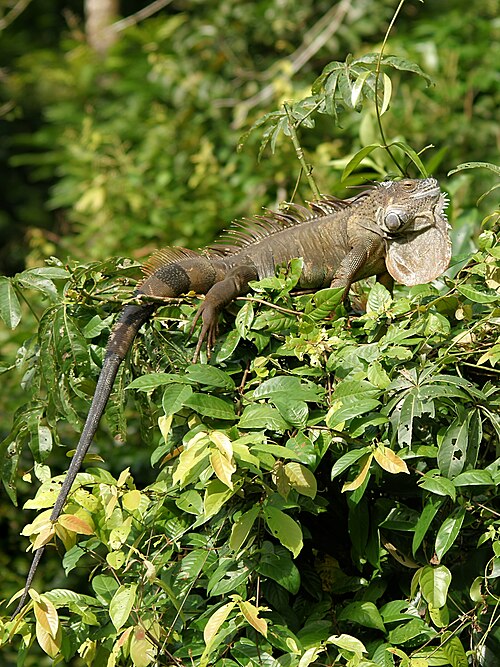
Turtles, lizards, snakes, crocodiles, and tuataras belong to the reptile class. Reptiles are air-breathing, cold-blooded (ectothermic) vertebrates covered in dry, waterproof scales or bony scutes that protect their bodies and prevent water loss on land.
A foundational concept in this investigation is (pronounced EK-toh-thurm), which refers to: A cold-blooded animal whose body temperature depends on heat from its surrounding environment. Every part of Reptiles within Classification & Anatomy builds upon this essential concept.
In Grade 5 advanced nonfiction inquiry across Animals (Classification & Anatomy), synthesizing primary evidence around , , and reveals how complex systems operate and adapt over time.
Key Features
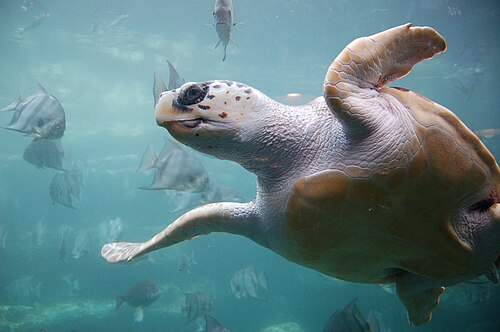
Unlike amphibians with moist skin, reptile scales are made of tough beta-—the same protein in human fingernails. Most reptiles lay leathery or calcareous amniotic eggs on land, allowing embryos to develop inside a protective fluid-filled membrane.
To analyze these defining traits accurately, specialists examine (KAIR-uh-tin): A tough, waterproof protein that forms reptile scales, bird feathers, and mammal hair and claws. Alongside (A cold-blooded animal whose body temperature depends on heat from its surrounding environment.), these specialized characteristics set Reptiles apart within Classification & Anatomy.
Field Observation & Evidence: Researchers studying Reptiles observe how physical form matches function in Animals. Each observable feature provides a clear advantage that supports stability, survival, or performance across changing conditions.
How It Works
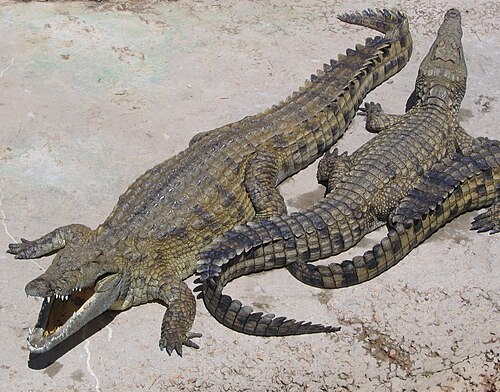
Because reptiles are ectotherms, they do not burn food energy to heat their bodies. Instead, a green iguana or painted turtle basks on a sunny rock in the morning to raise its body temperature and retreats into the shade or burrows when the midday sun gets too hot.
This step-by-step process relies on (pronounced mohlt), defined as: To shed old outer skin, scales, or feathers to make room for new growth. Each stage of the process prepares the way for the next phase to unfold.
Cause-and-Effect Balance: When conditions remain balanced, and interact inside the to keep the system running smoothly. If any single link in this sequence is disrupted, the entire pace of activity shifts.
In Our World
As snakes and lizards grow, their scaly outer skin does not stretch. Periodically they (shed): a snake rubs its nose against a rough stone and crawls out of its old skin in one complete inside-out piece, while lizards shed in patches.
Understanding how Reptiles functions in real environments also involves (KAIR-uh-tin): A tough, waterproof protein that forms reptile scales, bird feathers, and mammal hair and claws. Even when surrounding conditions shift across seasons or regions, the interaction between , Keratin, and helps sustain balance and resilience in the wider environment.
Global & Practical Significance: Reptiles regulate body temperature behaviorally by moving between sunny basking spots and cool shade. Furthermore, Dry scales prevent dehydration, allowing reptiles to live far from water.
Amazing Facts
1. Remarkable Scale & Numbers: Because ectothermic reptiles don’t waste energy heating their bodies, a crocodile can survive for several months on a single large meal! This discovery highlights why is central to understanding Reptiles.
2. Extraordinary Adaptation & Design: A turtle’s shell is not a removable house—it is actually fused directly to the turtle’s ribcage and spine. Specialized conditions involving make these adaptations possible.
3. Surprising Scientific & Historical Record: Snakes smell the air with their forked tongues, transferring scent particles to the Jacobson’s organ on the roof of their mouth. Over time, processes linked to leave a lasting mark across Classification & Anatomy.
Read & Review
Chapter Synthesis: Throughout this investigation of Reptiles in Animals (Classification & Anatomy), we examined its core foundations, defining traits, step-by-step mechanisms, and real-world connections using key terms like , , and .
Academic Vocabulary Review: • (EK-toh-thurm): A cold-blooded animal whose body temperature depends on heat from its surrounding environment. • (KAIR-uh-tin): A tough, waterproof protein that forms reptile scales, bird feathers, and mammal hair and claws. • (mohlt): To shed old outer skin, scales, or feathers to make room for new growth.
Critical Thinking Check: (1) How do ectothermic reptiles warm up their bodies in the morning? — By basking in sunlight or resting on warm rocks. (2) How does a reptile’s skin differ from an amphibian’s skin? — Reptiles have dry, waterproof scales instead of smooth, moist skin.