Introduction
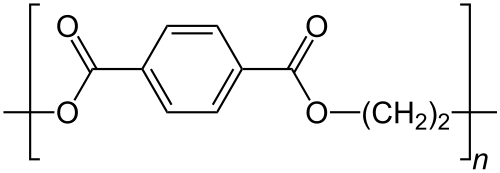
Plastics are lightweight, durable chains of synthetic molecules called polymers, usually made from petroleum. Because bacteria and fungi cannot easily digest synthetic polymers, a single plastic water bottle tossed on the ground can take 450 years to break down!
A foundational concept in this investigation is (pronounced POL-uh-mer), which refers to: A material made of long, repeating chains of molecules linked together, such as plastic or rubber. Every part of Recycling Plastics within Our Changing Planet builds upon this essential concept.
At the Grade 4 level of Nature & Environment (Our Changing Planet), researchers compare structure, function, and environmental context to see how , , and shape measurable outcomes.
Key Features
Look at the bottom of a plastic container and you will see a triangle of chasing arrows with a Resin Identification Code from #1 to #7. #1 PET (water and soda bottles) and #2 HDPE (milk jugs and detergent bottles) are the easiest and most widely recycled plastics.
To analyze these defining traits accurately, specialists examine (by-oh-dih-GRAY-duh-buhl): Capable of being broken down naturally and safely by bacteria, fungi, or other living decomposers. Alongside (A material made of long, repeating chains of molecules linked together, such as plastic or rubber.), these specialized characteristics set Recycling Plastics apart within Our Changing Planet.
Field Observation & Evidence: Researchers studying Recycling Plastics observe how physical form matches function in Nature & Environment. Each observable feature provides a clear advantage that supports stability, survival, or performance across changing conditions.
How It Works
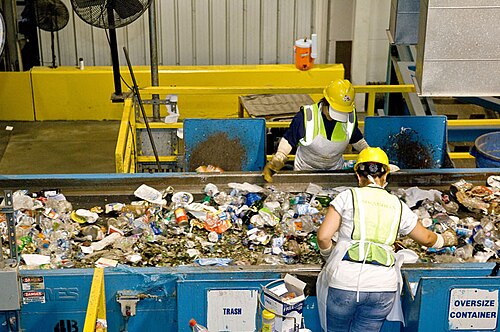
At a Materials Recovery Facility (MRF), optical scanners, magnets, and air jets sort recyclables. Plastic bottles are washed, shredded into colorful "flakes," melted down, and extruded into tiny pellets called nurdles. Those pellets are molded into brand-new bottles, fleece jackets, carpeting, and park benches!
This step-by-step process relies on (pronounced MY-kroh-plas-tiks), defined as: Tiny plastic fragments smaller than 5 millimeters formed when larger plastic litter weathers in sunlight and waves. Each stage of the process prepares the way for the next phase to unfold.
Cause-and-Effect Balance: When conditions remain balanced, and interact inside the to keep the system running smoothly. If any single link in this sequence is disrupted, the entire pace of activity shifts.
In Our World
Environmental scientists follow the "Three Rs" in order of importance: 1) Reduce (use less disposable plastic), 2) Reuse (carry a refillable metal or glass bottle), and 3) Recycle. Scientists have even discovered a bacterium (Ideonella sakaiensis) that produces enzymes capable of digesting PET plastic!
Understanding how Recycling Plastics functions in real environments also involves (by-oh-dih-GRAY-duh-buhl): Capable of being broken down naturally and safely by bacteria, fungi, or other living decomposers. Even when surrounding conditions shift across seasons or regions, the interaction between , Biodegradable, and helps sustain balance and resilience in the wider environment.
Global & Practical Significance: #1 PET and #2 HDPE can be cleanly melted and reprocessed into new containers and textiles. Furthermore, Reducing single-use items and reusing durable containers eliminates manufacturing and transport energy altogether.
Amazing Facts
1. Remarkable Scale & Numbers: It takes only about 25 recycled plastic water bottles (#1 PET) to spin enough soft polyester fiber to make one warm adult fleece jacket! This discovery highlights why is central to understanding Recycling Plastics.
2. Extraordinary Adaptation & Design: Recycling plastic uses up to 88% less energy than manufacturing brand-new plastic from raw oil and gas. Specialized conditions involving make these adaptations possible.
3. Surprising Scientific & Historical Record: Aluminum cans—which often share recycling bins with plastic—can be recycled infinitely and return to store shelves as a new can in just 60 days! Over time, processes linked to leave a lasting mark across Our Changing Planet.
Read & Review
Chapter Synthesis: Throughout this investigation of Recycling Plastics in Nature & Environment (Our Changing Planet), we examined its core foundations, defining traits, step-by-step mechanisms, and real-world connections using key terms like , , and .
Academic Vocabulary Review: • (POL-uh-mer): A material made of long, repeating chains of molecules linked together, such as plastic or rubber. • (by-oh-dih-GRAY-duh-buhl): Capable of being broken down naturally and safely by bacteria, fungi, or other living decomposers. • (MY-kroh-plas-tiks): Tiny plastic fragments smaller than 5 millimeters formed when larger plastic litter weathers in sunlight and waves.
Critical Thinking Check: (1) Which two plastic resin numbers (found inside the recycling triangle) are the most widely recycled? — #1 (PET water bottles) and #2 (HDPE milk jugs). (2) In the "Three Rs" of conservation (Reduce, Reuse, Recycle), why do scientists put Reduce and Reuse first? — Preventing waste in the first place saves even more energy and resources than melting and reprocessing trash.