Introduction
High above the dark rainforest floor—30 to 45 meters (100 to 150 feet) in the air—the rainforest forms a sunlit roof of overlapping tree branches and vines. Scientists estimate that more than half of all land-dwelling plant and animal species on Earth live in this leafy treetop world.
An important word to know in this book is (KAN-uh-pee). Canopy means: The dense, sunlit upper layer of leaves and branches formed by tall rainforest trees. Learning about Canopy helps us understand how Rainforest Canopies fits into Animal Habitats.
Key Features
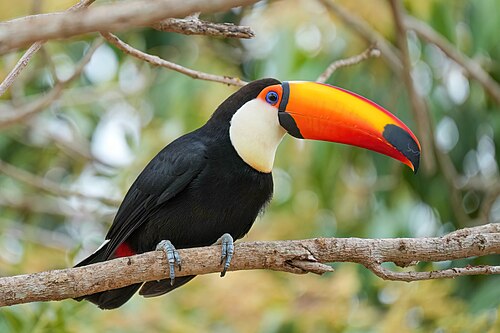
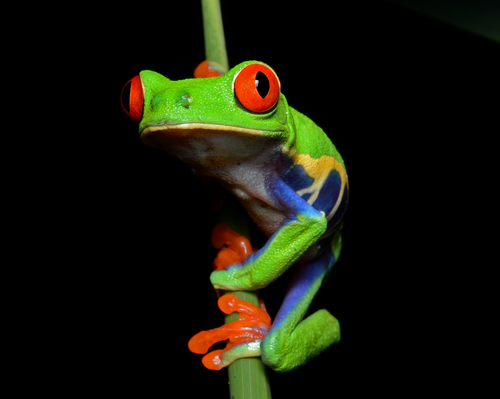
animals have specialized tools for climbing, gripping, and gliding. Spider monkeys use a tail like a fifth hand, toco toucans use lightweight honeycomb-structured bills to pluck distant fruit, and red-eyed tree frogs have sticky toe pads.
Scientists and explorers also look closely at (pree-HEN-suhl), which means: Capable of grasping or holding onto branches, like a spider monkey’s tail. These special traits make Rainforest Canopies easy to spot and study.
How It Works
Because tall trees receive abundant sunlight and over 200 centimeters of rainfall annually, branches are covered in epiphytes—plants like bromeliads and orchids that grow on tree trunks and trap miniature pools of rainwater where tree frog tadpoles grow.
Here is another helpful term: (EP-uh-fyte). It means: A plant such as an orchid or bromeliad that grows harmlessly upon another tree and absorbs moisture from the air. Step by step, and Epiphyte work together in nature.
In Our World
The Amazon Rainforest in South America is the largest tropical rainforest on Earth, followed by the Congo Basin in Africa and the island rainforests of Southeast Asia and Central America.
Understanding how Rainforest Canopies works in our world also involves (pree-HEN-suhl): Capable of grasping or holding onto branches, like a spider monkey’s tail. Even when surrounding conditions shift across seasons or regions, the interaction between , Prehensile, and helps sustain balance and resilience in the wider environment.
Amazing Facts
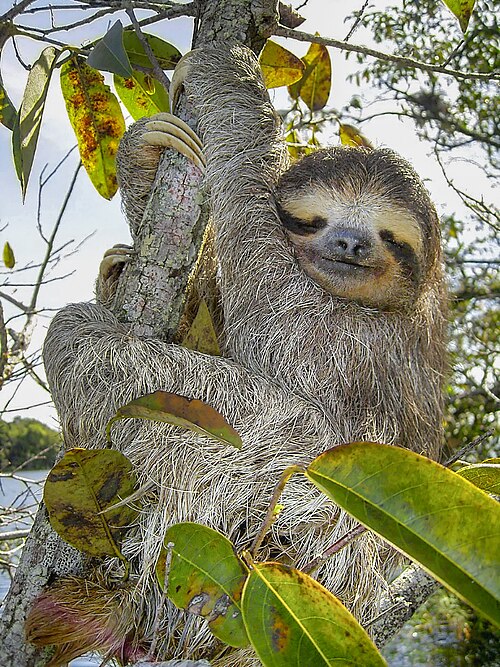
Amazing Fact #1: A three-toed sloth moves so slowly that green algae grows right on its fur, giving it living green camouflage in the treetops!
Amazing Fact #2: A toucan’s giant colorful bill makes up one-third of its length, yet weighs less than a handful of coins because it is made of spongy keratin.
Amazing Fact #3: A single tank bromeliad plant high in a rainforest tree can hold up to 8 liters of water and host frogs, crabs, and beetles.
Read & Review
Let's review what we discovered about Rainforest Canopies! In this book, we explored how , , and connect to Animal Habitats.
Key Question #1: What is a tail used for by animals like spider monkeys? Answer: Gripping and hanging from tree branches like an extra hand. A prehensile tail can wrap around branches and support the animal’s full body weight.
Key Question #2: Why does green algae grow on a sloth’s coat? Answer: It moves slowly in the humid , and the algae helps camouflage it. Algae thrives in the damp grooves of sloth hair, blending the sloth into the leafy canopy.