Introduction
When a species becomes endangered, so few individuals remain in the wild that the entire species risks extinction—disappearing from Earth forever like the dodo bird or passenger pigeon. Fortunately, conservation scientists, wildlife refuges, and protective laws have brought many animals back from the brink!
A foundational concept in this investigation is (pronounced en-DAYN-jerd SPEE-sheez), which refers to: A plant or animal species at serious risk of extinction throughout all or most of its natural range. Every part of Protecting Endangered Species within Our Changing Planet builds upon this essential concept.
At the Grade 4 level of Nature & Environment (Our Changing Planet), researchers compare structure, function, and environmental context to see how , , and shape measurable outcomes.
Key Features
The International Union for Conservation of Nature (IUCN) maintains the "Red List," ranking species from Least Concern to Vulnerable, Endangered, and Critically Endangered. Major threats can be remembered by the acronym HIPPO: Habitat loss, Invasive species, Pollution, Population growth, and Overhunting.
To analyze these defining traits accurately, specialists examine (KEE-stohn SPEE-sheez): A species like the sea otter or beaver that has a huge stabilizing effect on its entire ecosystem. Alongside (A plant or animal species at serious risk of extinction throughout all or most of its natural range.), these specialized characteristics set Protecting Endangered Species apart within Our Changing Planet.
Field Observation & Evidence: Researchers studying Protecting observe how physical form matches function in Nature & Environment. Each observable feature provides a clear advantage that supports stability, survival, or performance across changing conditions.
How It Works
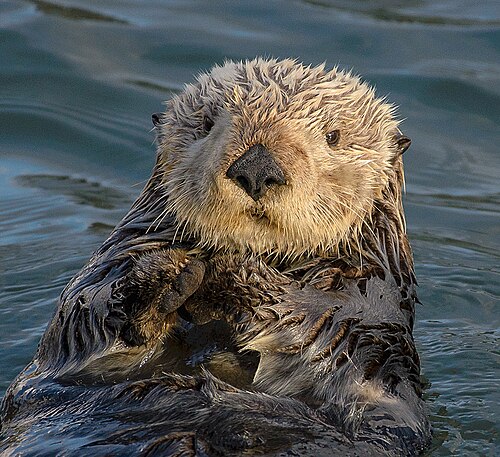
Some endangered animals are —animals that hold their entire ecosystem together like the top stone in an arch. For example, Pacific sea otters eat spiny sea urchins. When sea otters were nearly wiped out for their fur, sea urchins multiplied and devoured entire underwater kelp forests! Protecting sea otters brought the kelp forests and fish back.
This step-by-step process relies on (pronounced WYLD-lyfe KOR-uh-der), defined as: A protected strip of natural habitat or bridge that connects separated forest areas so animals can travel safely. Each stage of the process prepares the way for the next phase to unfold.
Cause-and-Effect Balance: When conditions remain balanced, and interact inside the to keep the system running smoothly. If any single link in this sequence is disrupted, the entire pace of activity shifts.
In Our World
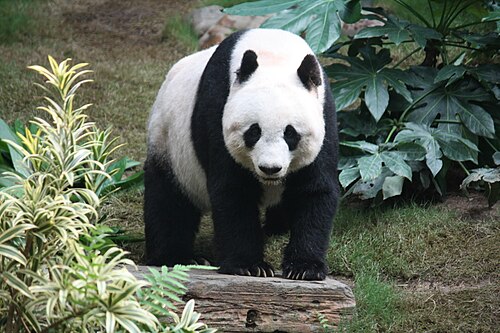
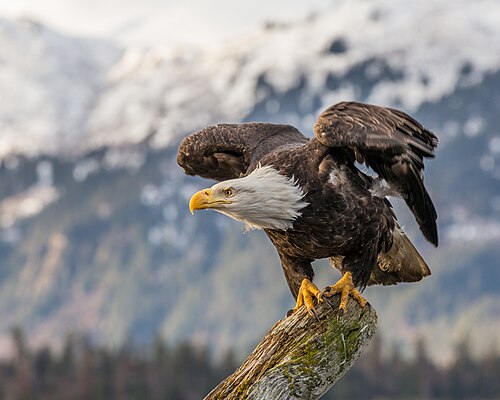
Conservation works! In 1963, only 417 nesting pairs of bald eagles remained in the lower 48 US states because the pesticide DDT thinned their eggshells. After banning DDT in 1972 and passing the Act in 1973, bald eagles recovered to over 70,000 birds! Giant pandas, humpback whales, and American bison are also famous recovery success stories.
Understanding how Protecting functions in real environments also involves (KEE-stohn SPEE-sheez): A species like the sea otter or beaver that has a huge stabilizing effect on its entire ecosystem. Even when surrounding conditions shift across seasons or regions, the interaction between Endangered Species, Keystone Species, and helps sustain balance and resilience in the wider environment.
Global & Practical Significance: Without sea otters, sea urchin populations explode and clear-cut kelp forest ecosystems. Furthermore, Eliminating DDT and protecting nesting trees allowed bald eagle populations to rebound dramatically.
Amazing Facts
1. Remarkable Scale & Numbers: Thanks to bamboo forest reserves in China, the Giant Panda was officially upgraded from "Endangered" to "Vulnerable" as wild populations grew past 1,800! This discovery highlights why is central to understanding Protecting Endangered Species.
2. Extraordinary Adaptation & Design: California condors dropped to just 22 birds in the entire world in 1987; captive breeding programs have now restored over 500 condors to the skies. Specialized conditions involving make these adaptations possible.
3. Surprising Scientific & Historical Record: Wildlife corridors—such as grassy bridges built over busy highways in Banff National Park—let bears, wolves, and elk cross roads safely without habitat fragmentation. Over time, processes linked to leave a lasting mark across Our Changing Planet.
Read & Review
Chapter Synthesis: Throughout this investigation of Protecting in Nature & Environment (Our Changing Planet), we examined its core foundations, defining traits, step-by-step mechanisms, and real-world connections using key terms like Endangered Species, , and .
Academic Vocabulary Review: • (en-DAYN-jerd SPEE-sheez): A plant or animal species at serious risk of extinction throughout all or most of its natural range. • (KEE-stohn SPEE-sheez): A species like the sea otter or beaver that has a huge stabilizing effect on its entire ecosystem. • (WYLD-lyfe KOR-uh-der): A protected strip of natural habitat or bridge that connects separated forest areas so animals can travel safely.
Critical Thinking Check: (1) Why are Pacific sea otters considered a ""? — They eat sea urchins, preventing the urchins from destroying underwater kelp forests that shelter hundreds of marine species. (2) What helped America’s national bird, the bald eagle, recover from just 417 nesting pairs in 1963 to over 70,000 birds today? — Banning the pesticide DDT (which thinned eggshells) and protecting habitats under the Act.