Introduction
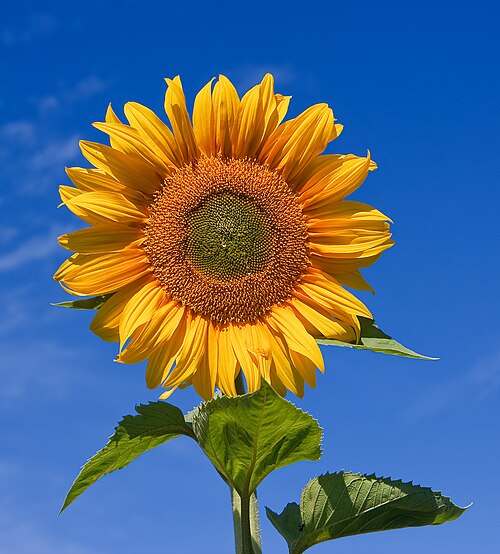
When you get hungry, you eat food—but green plants cook their own meals right inside their leaves using sunlight, water, and air! This remarkable solar-powered process is called , and it produces both the food chain’s energy and the oxygen we breathe.
A foundational concept in this investigation is (pronounced foh-toh-SIN-thuh-sis), which refers to: The process by which green plants use sunlight, water, and carbon dioxide to make glucose sugar and oxygen. Every part of Photosynthesis: How Plants Eat Sunlight within The Plant Kingdom builds upon this essential concept.
At the Grade 4 level of Nature & Environment (The Plant Kingdom), researchers compare structure, function, and environmental context to see how , , and shape measurable outcomes.
Key Features
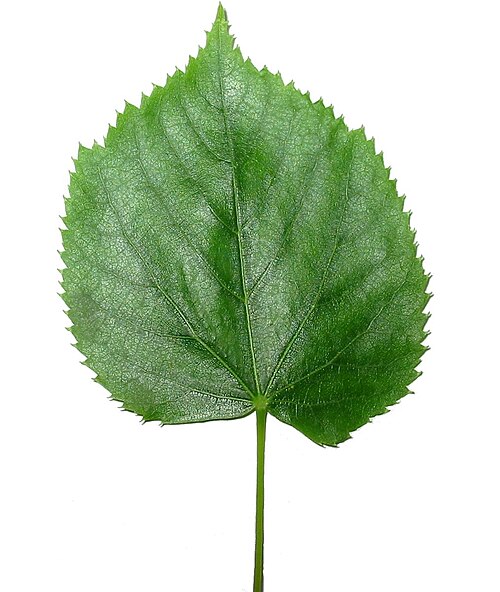
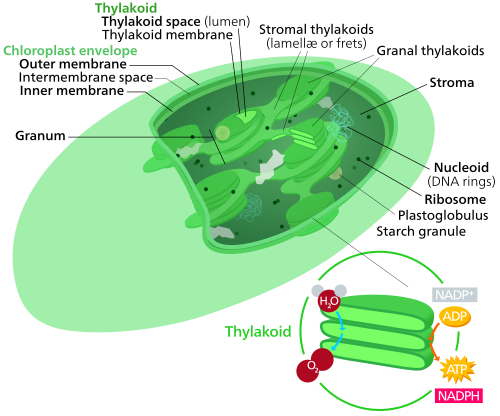
Inside every green plant cell are microscopic solar factories called chloroplasts, filled with a green pigment named . Chlorophyll absorbs red and blue wavelengths of sunlight while reflecting green light back to our eyes.
To analyze these defining traits accurately, specialists examine (KLOR-uh-fil): The green pigment inside plant chloroplasts that captures energy from sunlight. Alongside (The process by which green plants use sunlight, water, and carbon dioxide to make glucose sugar and oxygen.), these specialized characteristics set Photosynthesis: How Plants Eat Sunlight apart within The Plant Kingdom.
Field Observation & Evidence: Researchers studying : How Plants Eat Sunlight observe how physical form matches function in Nature & Environment. Each observable feature provides a clear advantage that supports stability, survival, or performance across changing conditions.
How It Works
A plant gathers three ingredients: roots drink water ($H_2O$) from the soil and carry it up xylem tubes, microscopic pores on the underside of leaves called breathe in carbon dioxide ($CO_2$) gas from the air, and captures sunlight energy. The chloroplasts split water and combine hydrogen with carbon dioxide to build glucose (plant sugar) and release pure oxygen ($O_2$) into the sky!
This step-by-step process relies on (pronounced stoh-MAH-tuh), defined as: Microscopic mouth-like pores on plant leaves that open and close to take in carbon dioxide and release oxygen. Each stage of the process prepares the way for the next phase to unfold.
Cause-and-Effect Balance: When conditions remain balanced, and interact inside the to keep the system running smoothly. If any single link in this sequence is disrupted, the entire pace of activity shifts.
In Our World
Land plants and microscopic ocean algae (phytoplankton) work together as Earth’s lungs, generating nearly 100% of the breathable oxygen in our atmosphere while removing billions of tons of carbon dioxide.
Understanding how : How Plants Eat Sunlight functions in real environments also involves (KLOR-uh-fil): The green pigment inside plant chloroplasts that captures energy from sunlight. Even when surrounding conditions shift across seasons or regions, the interaction between Photosynthesis, Chlorophyll, and helps sustain balance and resilience in the wider environment.
Global & Practical Significance: Plants combine water and carbon dioxide using solar energy to make glucose and release oxygen. Furthermore, splits water molecules and releases breathable oxygen gas.
Amazing Facts
1. Remarkable Scale & Numbers: Tiny microscopic algae and cyanobacteria floating in the ocean actually produce more than half of all the oxygen on Earth! This discovery highlights why is central to understanding Photosynthesis: How Plants Eat Sunlight.
2. Extraordinary Adaptation & Design: In autumn, deciduous trees stop making green , revealing the bright yellow and orange pigments (carotenoids) that were hiding in the leaves all summer. Specialized conditions involving Chlorophyll make these adaptations possible.
3. Surprising Scientific & Historical Record: A single mature leafy tree can produce enough oxygen each year to support two to four human beings! Over time, processes linked to leave a lasting mark across The Plant Kingdom.
Read & Review
Chapter Synthesis: Throughout this investigation of : How Plants Eat Sunlight in Nature & Environment (The Plant Kingdom), we examined its core foundations, defining traits, step-by-step mechanisms, and real-world connections using key terms like Photosynthesis, , and .
Academic Vocabulary Review: • (foh-toh-SIN-thuh-sis): The process by which green plants use sunlight, water, and carbon dioxide to make glucose sugar and oxygen. • (KLOR-uh-fil): The green pigment inside plant chloroplasts that captures energy from sunlight. • (stoh-MAH-tuh): Microscopic mouth-like pores on plant leaves that open and close to take in carbon dioxide and release oxygen.
Critical Thinking Check: (1) What three ingredients does a green plant need to perform ? — Sunlight, water, and carbon dioxide. (2) What gas do plants release into the air through their as a byproduct of photosynthesis? — Oxygen.