Introduction
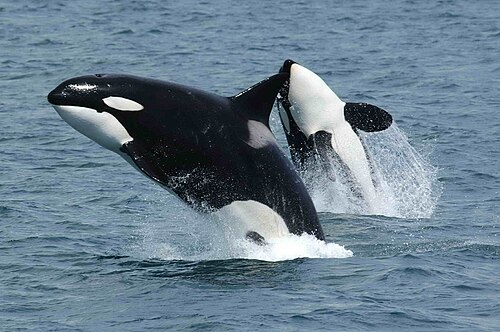
Known as "wolves of the ocean," orcas (killer whales) are the undisputed apex predators of Earth’s seas. Despite their nickname, orcas are actually the largest members of the oceanic dolphin family (Delphinidae), growing up to 9.8 meters (32 feet) long and weighing up to 10 metric tons!
An important word to know in this book is (AY-peks PRED-uh-ter). Apex Predator means: A predator at the very top of a food chain that has no natural predators of its own. Learning about Apex Predator helps us understand how Orcas: Wolves of the Ocean fits into 🌊 Ocean Giants & Apex Predators.
Key Features
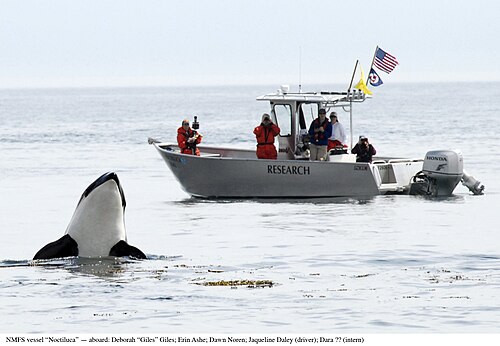
Orcas wear bold black-and-white countershading that hides them in deep water, plus a white eye-patch behind each eye and a gray "saddle patch" behind their . An adult male’s dorsal fin stands up to 1.8 meters (6 feet) tall—as tall as a grown human—and every orca’s fin notches and saddle patch are as unique as a fingerprint.
Scientists and explorers also look closely at (mat-ruh-LIN-ee-uhl pod), which means: A tightly bonded family group of whales led by the oldest female (matriarch) and her descendants. These special traits make Orcas: Wolves of the Ocean easy to spot and study.
How It Works
Orcas live in lifelong matrilineal pods led by the oldest grandmother or mother (the matriarch). Each pod speaks its own family dialect of whistles, pulsed calls, and clicks! Using precision echolocation and teamwork, Antarctic B1-type orcas line up side-by-side and charge toward ice floes in unison, creating a giant wave that washes resting seals right into the water ("").
Here is another helpful term: (EE-koh-type). It means: A distinct population within a species adapted to a specific diet, hunting style, and habitat. Step by step, and Ecotype work together in nature.
In Our World
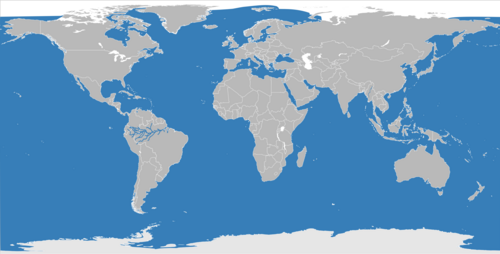
Orcas roam every ocean from the icy Arctic and Antarctic to tropical seas. Scientists have discovered distinct ecotypes: Resident orcas in the Pacific Northwest specialize in eating Chinook salmon, Biggs (Transient) orcas hunt marine mammals in stealthy silence, and Offshore orcas hunt deep-water sharks.
Understanding how Orcas: Wolves of the Ocean works in our world also involves (mat-ruh-LIN-ee-uhl pod): A tightly bonded family group of whales led by the oldest female (matriarch) and her descendants. Even when surrounding conditions shift across seasons or regions, the interaction between , Matrilineal Pod, and helps sustain balance and resilience in the wider environment.
Amazing Facts
Amazing Fact #1: Orcas have the second-heaviest brains of any marine mammal (after sperm whales) and pass down hunting traditions and vocal dialects across generations—a true animal culture!
Amazing Fact #2: In the Southern Ocean, a pod of 4 to 7 orcas can synchronize their tail strokes to generate a precise wave that breaks apart floating sea ice to reach prey.
Amazing Fact #3: Unlike almost all other mammals, female orcas stay with their mothers and grandmothers for their entire lives—and grandmothers live up to 80 or 90 years to guide the pod!
Read & Review
Let's review what we discovered about Orcas: Wolves of the Ocean! In this book, we explored how , , and connect to 🌊 Ocean Giants & Apex Predators.
Key Question #1: Which marine mammal family do orcas (killer whales) actually belong to? Answer: The oceanic dolphin family (Delphinidae). Orcas are the largest species of dolphin on Earth.
Key Question #2: Who leads an orca family pod throughout its life? Answer: The oldest grandmother or mother (a matrilineal society). Orca pods are matrilineal; sons and daughters stay with their mother for life, guided by the elder matriarch’s memory.