Introduction
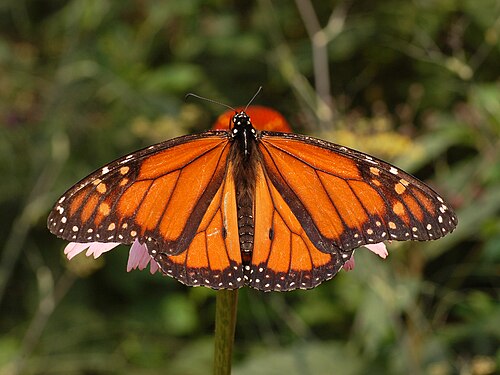
Every autumn, millions of delicate monarch butterflies weighing less than a paperclip embark on a 4,800-kilometer (3,000-mile) flight from Canada and the United States all the way to the mountain fir forests of central Mexico!
A foundational concept in this investigation is (pronounced KRIS-uh-lis), which refers to: The hard, protective pupa casing inside which a butterfly caterpillar transforms into an adult. Every part of Monarch Butterfly Migration within Life Cycles builds upon this essential concept.
In Grade 5 advanced nonfiction inquiry across Animals (Life Cycles), synthesizing primary evidence around , , and reveals how complex systems operate and adapt over time.
Key Features
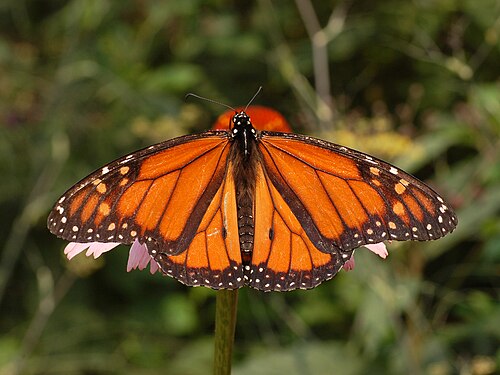
Before migrating, a monarch goes through four complete metamorphosis stages: a tiny ribbed egg laid on , a black-yellow-and-white striped caterpillar (larva), a jade-green (pupa) studded with gold dots, and the orange-and-black adult butterfly.
To analyze these defining traits accurately, specialists examine (ap-uh-SEM-uh-tiz-uhm): Bright warning colors (like orange and black) that advertise to predators that an animal is poisonous or foul-tasting. Alongside (The hard, protective pupa casing inside which a butterfly caterpillar transforms into an adult.), these specialized characteristics set Monarch Butterfly Migration apart within Life Cycles.
Field Observation & Evidence: Researchers studying Monarch Butterfly Migration observe how physical form matches function in Animals. Each observable feature provides a clear advantage that supports stability, survival, or performance across changing conditions.
How It Works
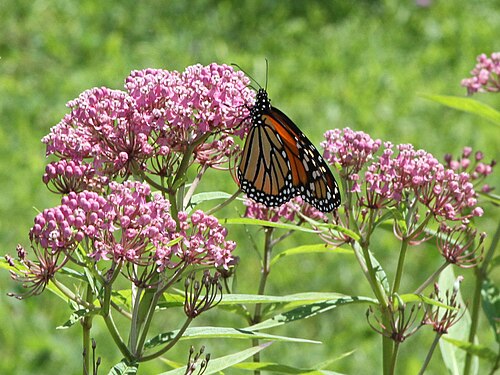
Monarch caterpillars eat only leaves, which contain bitter toxins called cardenolides. The monarch stores these toxins in its wings and body, and its bright orange-and-black warning coloration () tells birds, "Don’t eat me—I taste terrible!"
This step-by-step process relies on (pronounced MILK-weed), defined as: The essential host plant on which monarch butterflies lay their eggs and feed as caterpillars. Each stage of the process prepares the way for the next phase to unfold.
Cause-and-Effect Balance: When conditions remain balanced, and interact inside the to keep the system running smoothly. If any single link in this sequence is disrupted, the entire pace of activity shifts.
In Our World
No single monarch completes the entire round-trip cycle. The special autumn "Super Generation" lives 8 months to fly south to Mexico’s oyamel fir trees and hibernate, then takes 3 to 4 shorter-lived spring and summer generations to fly all the way back north.
Understanding how Monarch Butterfly Migration functions in real environments also involves (ap-uh-SEM-uh-tiz-uhm): Bright warning colors (like orange and black) that advertise to predators that an animal is poisonous or foul-tasting. Even when surrounding conditions shift across seasons or regions, the interaction between , Aposematism, and helps sustain balance and resilience in the wider environment.
Global & Practical Significance: Monarch caterpillars rely on for nutrition and chemical defense against predators. Furthermore, Summer monarchs live 2–6 weeks, whereas the autumn migratory generation lives up to 8 months.
Amazing Facts
1. Remarkable Scale & Numbers: Monarchs use a time-compensated sun compass in their antennae and eyes to stay on course across thousands of miles! This discovery highlights why is central to understanding Monarch Butterfly Migration.
2. Extraordinary Adaptation & Design: A monarch caterpillar grows so fast on that it increases its body weight by 2,000 times in just two weeks. Specialized conditions involving make these adaptations possible.
3. Surprising Scientific & Historical Record: So many monarchs cluster together on oyamel fir branches in Michoacán, Mexico, that the tree branches bend under their combined weight. Over time, processes linked to leave a lasting mark across Life Cycles.
Read & Review
Chapter Synthesis: Throughout this investigation of Monarch Butterfly Migration in Animals (Life Cycles), we examined its core foundations, defining traits, step-by-step mechanisms, and real-world connections using key terms like , , and .
Academic Vocabulary Review: • (KRIS-uh-lis): The hard, protective pupa casing inside which a butterfly caterpillar transforms into an adult. • (ap-uh-SEM-uh-tiz-uhm): Bright warning colors (like orange and black) that advertise to predators that an animal is poisonous or foul-tasting. • (MILK-weed): The essential host plant on which monarch butterflies lay their eggs and feed as caterpillars.
Critical Thinking Check: (1) Why do monarch butterflies lay their eggs exclusively on plants? — Milkweed is the only food monarch caterpillars eat and gives them protective toxins. (2) What is special about the autumn "Super Generation" of monarch butterflies? — They live up to 8 months to fly 3,000 miles south to Mexico and overwinter.