Introduction
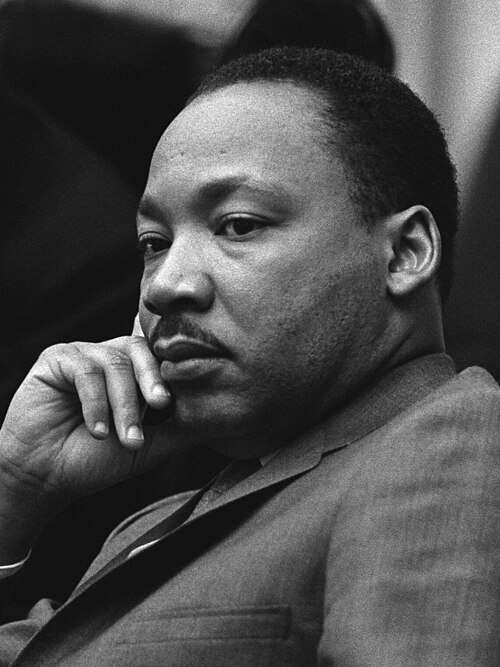
Dr. Martin Luther King Jr. (1929–1968) was a Baptist minister and the preeminent leader of the American Movement. Through peaceful marches, powerful speeches, and courageous nonviolent protest, he helped end legal and secure equal voting and civil rights for all Americans!
An important word to know in this book is (SIV-uhl rytes). Civil Rights means: The legal rights of every citizen to political and social freedom, equal treatment under the law, and the right to vote. Learning about Civil Rights helps us understand how Martin Luther King Jr. fits into Changemakers & Activists.
Key Features
Born in Atlanta, Georgia, Martin was such a gifted student that he entered Morehouse College at age 15 and later earned his doctorate (Ph.D.) from Boston University. Inspired by both Christian teachings of love and Mahatma Gandhi’s philosophy of (satyagraha), Dr. King believed that unfair laws must be challenged with peaceful moral courage, never hatred or violence.
Scientists and explorers also look closely at (non-VY-uh-luhnt rih-ZIS-tuhns), which means: Achieving social and legal change through peaceful marches, boycotts, and sit-ins without using physical violence. These special traits make Martin Luther King Jr. easy to spot and study.
How It Works
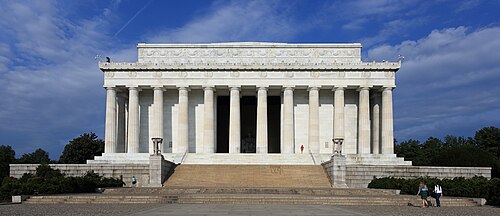
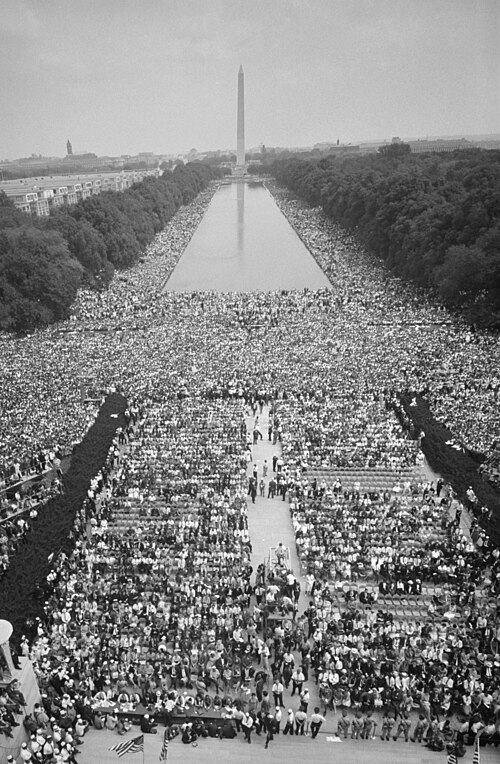
In 1955, at just 26 years old, Dr. King was chosen to lead the 381-day Montgomery Bus Boycott after Rosa Parks was arrested—resulting in a Supreme Court ruling that bus was unconstitutional! In 1957 he co-founded the Southern Christian Leadership Conference (SCLC), and on August 28, 1963, standing before 250,000 people at the Lincoln Memorial during the March on Washington, he delivered his immortal "I Have a Dream" speech, envisioning a nation where his four children "will not be judged by the color of their skin but by the content of their character."
Here is another helpful term: (seg-ruh-GAY-shuhn). It means: The unfair forced separation of people by race in schools, buses, and public places, outlawed by the Act of 1964. Step by step, Civil Rights and Segregation work together in nature.
In Our World
Dr. King’s leadership directly helped pass two landmark federal laws: the Act of 1964 (outlawing in public places and employment discrimination) and the Voting Rights Act of 1965 (after the Selma-to-Montgomery marches). In 1964, at age 35, he was awarded the Nobel Peace Prize. Every third Monday in January, Americans honor his legacy with the Martin Luther King Jr. Day national day of service.
Understanding how Martin Luther King Jr. works in our world also involves (non-VY-uh-luhnt rih-ZIS-tuhns): Achieving social and legal change through peaceful marches, boycotts, and sit-ins without using physical violence. Even when surrounding conditions shift across seasons or regions, the interaction between , Nonviolent Resistance, and helps sustain balance and resilience in the wider environment.
Amazing Facts
Amazing Fact #1: When Dr. Martin Luther King Jr. received the Nobel Peace Prize in 1964 at age 35, he was the youngest person in history to win the award at that time—and he donated all $54,123 of the prize money to the Movement!
Amazing Fact #2: During the 1963 March on Washington, gospel singer Mahalia Jackson called out from behind the podium, "Tell them about the dream, Martin!"—prompting Dr. King to set aside his prepared notes and speak from his heart!
Amazing Fact #3: Martin Luther King Jr. Day is the only federal holiday designated by Congress as a National Day of Service—"a day on, not a day off."
Read & Review
Let's review what we discovered about Martin Luther King Jr.! In this book, we explored how , , and connect to Changemakers & Activists.
Key Question #1: What core method did Dr. Martin Luther King Jr. champion to end and win equal rights? Answer: Peaceful, —including marches, boycotts, and powerful public speaking. Dr. King showed that nonviolent direct action and moral courage could transform laws and hearts.
Key Question #2: Which two landmark laws did Dr. King and the Movement help persuade Congress and President Lyndon B. Johnson to pass in 1964 and 1965? Answer: The Civil Rights Act of 1964 and the Voting Rights Act of 1965. The Civil Rights Act of 1964 ended legal in public accommodations, and the Voting Rights Act of 1965 protected every citizen’s right to vote.