Introduction
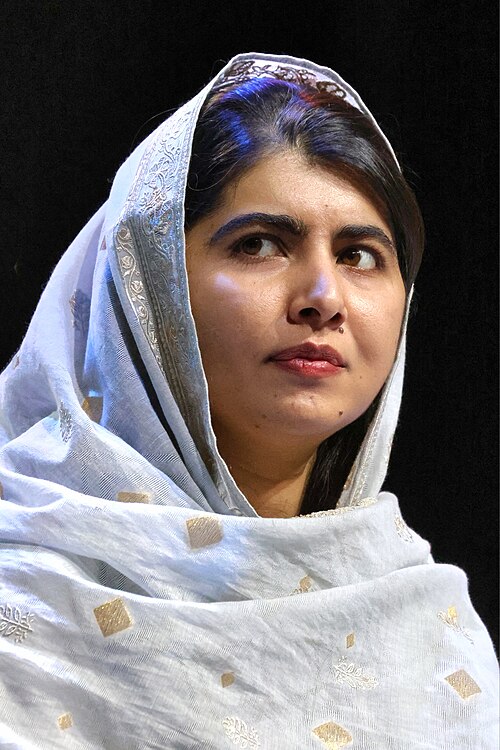
Growing up in the lush Swat Valley of northern Pakistan, Malala Yousafzai (born 1997) loved going to school—where her father, Ziauddin Yousafzai, was a teacher and school founder. When extremists tried to ban girls from attending school in 2008, 11-year-old Malala spoke up bravely for every child’s right to an education, eventually becoming the youngest Nobel Prize in world history!
An important word to know in this book is (LOR-ee-it). Laureate means: A person who has been honored with a high international award for achievement, such as the Nobel Peace Prize. Learning about Laureate helps us understand how Malala Yousafzai fits into Changemakers & Activists.
Key Features
When armed extremists closed or destroyed over 400 girls’ schools in the Swat Valley, 11-year-old Malala began writing an anonymous blog for BBC Urdu in 2009 under a pen name (Gul Makai), describing her daily life, hiding her schoolbooks under her shawl, and her dream of returning to class.
Scientists and explorers also look closely at Pseudonym (Pen Name) (SOO-duh-nim), which means: A fictitious name used by an author to protect their identity or safety when publishing articles or diaries. These special traits make Malala Yousafzai easy to spot and study.
How It Works
After surviving an attack on her school bus in October 2012 and recovering at Queen Elizabeth Hospital in Birmingham, England, Malala refused to be silenced! On her 16th birthday—July 12, 2013 ("Malala Day")—she stood before the United Nations Youth Assembly in New York and delivered a speech heard around the world: "One child, one teacher, one book, and one pen can change the world!"
Here is another helpful term: (yoo-nuh-VUR-suhl ej-uh-KAY-shuhn). It means: The human right of every boy and girl around the world to attend school and learn to read, write, and think critically. Step by step, and Universal Education work together in nature.
In Our World
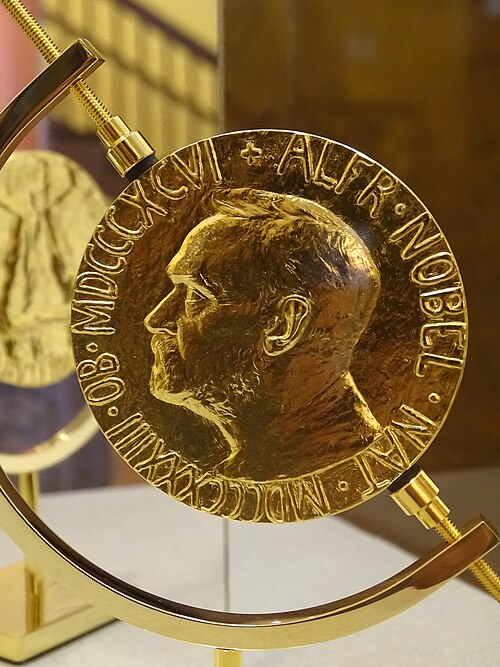
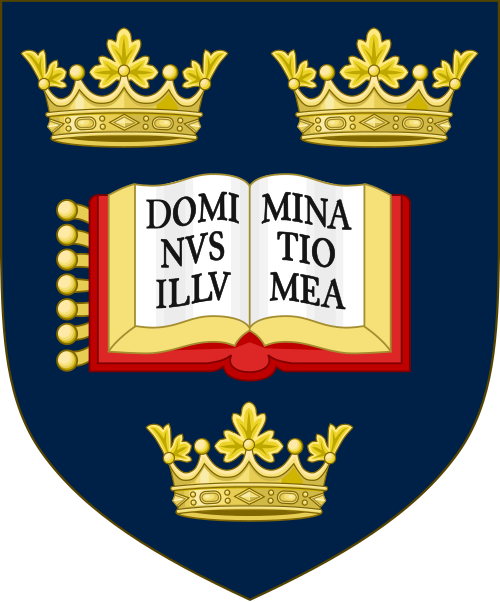
With her father, she co-founded the to build schools and support 12 years of free, safe, quality education for girls around the globe. In December 2014, at just 17 years old, Malala Yousafzai was awarded the Nobel Peace Prize—making her the youngest Nobel Prize winner in history—and in 2020 she graduated from Lady Margaret Hall at the University of Oxford with a degree in Philosophy, Politics, and Economics (PPE)!
Understanding how Malala Yousafzai works in our world also involves Pseudonym (Pen Name) (SOO-duh-nim): A fictitious name used by an author to protect their identity or safety when publishing articles or diaries. Even when surrounding conditions shift across seasons or regions, the interaction between , Pseudonym (Pen Name), and helps sustain balance and resilience in the wider environment.
Amazing Facts
Amazing Fact #1: When Malala Yousafzai won the Nobel Peace Prize in 2014 at age 17, she was inside her high school chemistry class in England when her teacher walked in to tell her the news—and she finished her school day before holding a press conference!
Amazing Fact #2: Malala was named after Malalai of Maiwand, a legendary 19th-century Pashtun poet and folk heroine known for her courage.
Amazing Fact #3: Her famous quote at the United Nations—"One child, one teacher, one book, and one pen can change the world"—is inscribed in classrooms worldwide!
Read & Review
Let's review what we discovered about Malala Yousafzai! In this book, we explored how , Pseudonym (Pen Name), and connect to Changemakers & Activists.
Key Question #1: What cause has Malala Yousafzai championed since she was 11 years old in Pakistan’s Swat Valley? Answer: The right of every girl and child around the world to receive a free, safe, quality education. Malala spoke out for girls’ right to go to school and co-founded the .
Key Question #2: What historic record did Malala Yousafzai set in 2014 when she was awarded the Nobel Peace Prize? Answer: At age 17, she became the youngest Nobel Prize in history. Malala received the 2014 Nobel Peace Prize at just 17 years of age.