Introduction
Imagine standing barefoot or in spiked boots on top of a wet, spinning cedar log floating in a river while another athlete at the other end pedals their feet at lightning speed to make you splash into the water! Welcome to Log Rolling (officially known as ), a high-speed balance sport born in North America’s 19th-century lumberjack camps!
A foundational concept in this investigation is (pronounced BUR-ling), which refers to: The competitive sport of log rolling, in which two athletes stand on a floating log and spin it with their feet until one falls into the water. Every part of Log Rolling within Lesser-Known Sports builds upon this essential concept.
In Grade 5 advanced nonfiction inquiry across Sports & Entertainment (Lesser-Known Sports), synthesizing primary evidence around , , and reveals how complex systems operate and adapt over time.
Key Features
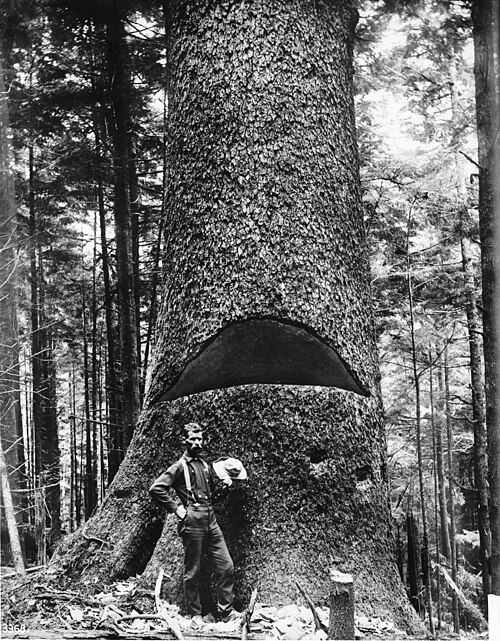
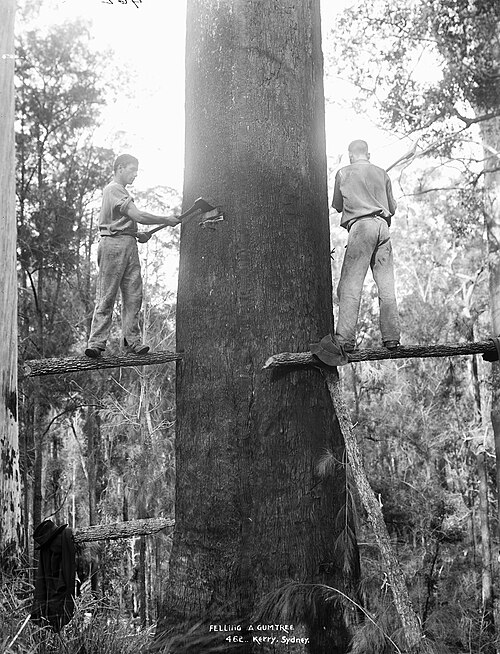
In the 1800s, before logging trucks or railroads reached deep northern pine and cedar forests in Maine, Michigan, Wisconsin, Minnesota, and Canada, lumberjacks cut timber in winter and floated millions of logs down rushing spring rivers to sawmills! River drivers—called "river hogs" or "whitewater men"—walked and ran right across the floating logs using spiked boots (caulk boots, pronounced "cork boots") to break up dangerous logjams.
To analyze these defining traits accurately, specialists examine (SNUB-ing): Suddenly stopping or reversing a fast-spinning floating log with your feet to throw your opponent off balance. Alongside (The competitive sport of log rolling, in which two athletes stand on a floating log and spin it with their feet until one falls into the water.), these specialized characteristics set Log Rolling apart within Lesser-Known Sports.
Field Observation & Evidence: Researchers studying Log Rolling observe how physical form matches function in Sports & Entertainment. Each observable feature provides a clear advantage that supports stability, survival, or performance across changing conditions.
How It Works
In friendly camp competitions that grew into the world championship sport of , two athletes step onto opposite ends of a turned western red cedar log (about 3.6 meters / 12 feet long) floating in water. Neither player is allowed to cross the painted center line or touch their opponent! Instead, they use lightning-fast footwork: sprinting forward to accelerate the log’s spin, then slamming their feet down ("" the log) to stop the spin on a dime or reverse direction so their opponent loses balance and falls in!
This step-by-step process relies on (pronounced roh-TAY-shuh-nuhl ih-NUR-shuh), defined as: How hard it is to start or stop an object spinning; narrower logs have less rotational inertia and spin much faster! Each stage of the process prepares the way for the next phase to unfold.
Cause-and-Effect Balance: When conditions remain balanced, and interact inside the to keep the system running smoothly. If any single link in this sequence is disrupted, the entire pace of activity shifts.
In Our World
To stay upright on a spinning cylinder floating in water, a birler keeps their knees bent like shock absorbers, eyes locked on the opponent’s feet (never looking down at the spinning water!), and arms out for rotational balance. Every July since 1960, Hayward, Wisconsin, hosts the Lumberjack World Championships, where kids and adults compete on progressively narrower logs (from slow 19-inch logs down to lightning-fast 12-inch logs)!
Understanding how Log Rolling functions in real environments also involves (SNUB-ing): Suddenly stopping or reversing a fast-spinning floating log with your feet to throw your opponent off balance. Even when surrounding conditions shift across seasons or regions, the interaction between , Snubbing, and helps sustain balance and resilience in the wider environment.
Global & Practical Significance: River-drive lumberjacks developed extraordinary balance on floating timber, turning camp contests into the sport of . Furthermore, Rapid changes in log spin speed and direction test the opponent’s reaction time and center of balance.
Amazing Facts
1. Remarkable Scale & Numbers: Experienced log rollers NEVER look down at their own feet or the spinning log because the moving water causes dizziness—instead, they lock their eyes on their opponent’s ankles and shoes! This discovery highlights why is central to understanding Log Rolling.
2. Extraordinary Adaptation & Design: As a log-rolling match progresses without a fall, officials switch the athletes to a narrower log (from 15 inches down to 14, 13, and 12 inches in diameter), which has lower and spins much faster! Specialized conditions involving make these adaptations possible.
3. Surprising Scientific & Historical Record: 19th-century river lumberjacks wore leather boots studded with dozens of sharp steel spikes called "caulks" (pronounced "corks") to grip wet tree bark. Over time, processes linked to leave a lasting mark across Lesser-Known Sports.
Read & Review
Chapter Synthesis: Throughout this investigation of Log Rolling in Sports & Entertainment (Lesser-Known Sports), we examined its core foundations, defining traits, step-by-step mechanisms, and real-world connections using key terms like , , and .
Academic Vocabulary Review: • (BUR-ling): The competitive sport of log rolling, in which two athletes stand on a floating log and spin it with their feet until one falls into the water. • (SNUB-ing): Suddenly stopping or reversing a fast-spinning floating log with your feet to throw your opponent off balance. • (roh-TAY-shuh-nuhl ih-NUR-shuh): How hard it is to start or stop an object spinning; narrower logs have less rotational inertia and spin much faster!
Critical Thinking Check: (1) How did the sport of Log Rolling () originate in 19th-century North America? — Lumberjacks ("river drivers") had to run and balance across floating logs to guide timber down spring rivers to sawmills. (2) In a competitive log-rolling match, how does one athlete try to make the other fall into the water without ever touching them? — By sprinting to spin the log fast and then suddenly stopping ("") or reversing the spin direction with their feet.